
A professional roof replacement is much more than removing old shingles and installing new ones. A complete roofing project involves careful preparation, inspection of the underlying structure, proper installation of protective materials, accurate shingle placement, and attention to every transition across the roof.
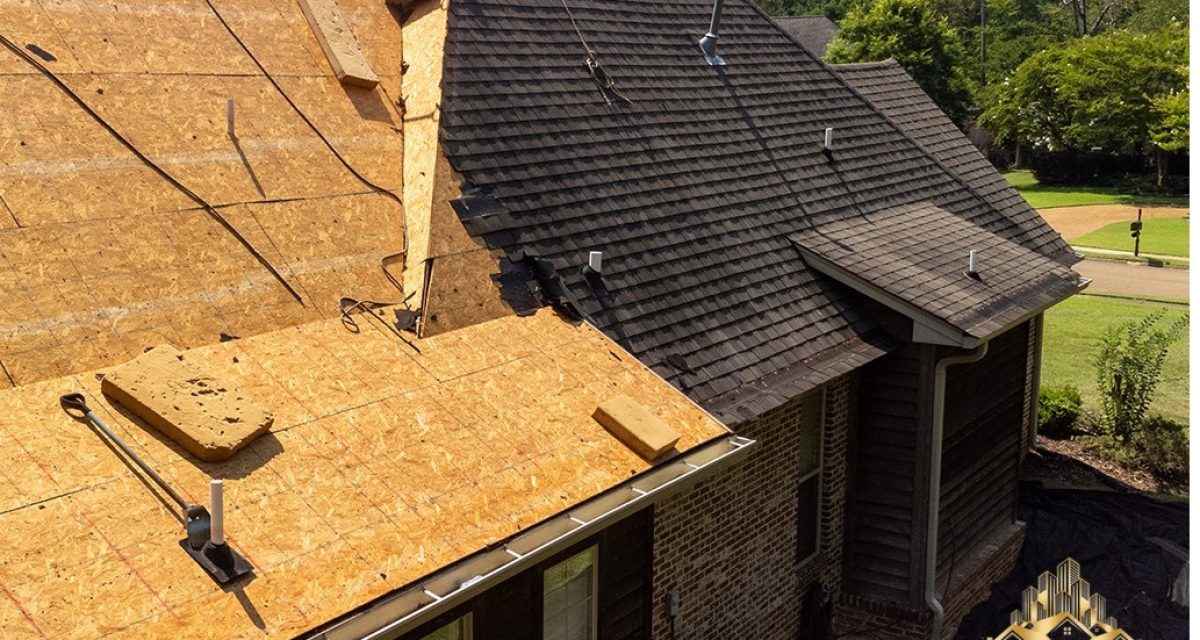
The project shown in the featured photograph provides a clear look at this process in action. One section of the roof has been opened down to the decking, while another section has already received new roofing shingles. This side-by-side view illustrates how a roof replacement progresses through several important stages before the entire system is completed.
For homeowners, seeing the work during construction can help explain why proper preparation matters. A finished roof may look simple from the ground, but beneath the shingles is a system made up of multiple components that work together to protect the building.
At All State Roofing & Chimney, the focus is on careful preparation, professional installation, and attention to the details that matter throughout a roofing project.
Why Proper Roof Replacement Preparation Matters
The foundation of a successful roof replacement begins before the new shingles are visible.
Once the existing roofing materials are removed, the condition of the underlying roof structure becomes easier to evaluate. This is an important part of the process because problems that remain hidden beneath old roofing materials may need to be addressed before a new roofing system can be installed.
The featured photo clearly shows this stage. The exposed decking on the left side of the structure contrasts with the completed shingle installation on the adjoining roof section. This provides a useful visual example of how a roof replacement moves from preparation toward completion.
A professional approach allows each stage to be handled carefully rather than rushing directly to the finished appearance.
Step 1: Removing the Existing Roofing
The first major stage of a roof replacement is the removal of the existing roofing system.
Old shingles and other roofing materials must be removed carefully so the roofing surface can be properly examined. During this phase, roofing professionals also need to manage loose materials, debris, roof penetrations, edges, valleys, and transitions between different sections of the structure.
The photograph shows a large exposed section where the previous roofing system has been removed. The wood decking is visible and ready for inspection and continued preparation.
This stage is important because the condition of the surface beneath the shingles has a direct relationship to the installation of the new roof.
A properly organized removal process also helps keep the work area controlled and prepares the roof for the next stage.
Step 2: Inspecting the Roof Deck
Once the old roofing materials are removed, the roof deck can be inspected more closely.
The decking serves as the structural surface beneath the roofing materials, so it needs to provide an appropriate foundation for the new system. Areas showing deterioration, damage, or other concerns may require attention before the roofing installation continues.
The photo illustrates why this inspection stage is valuable. Instead of covering the existing surface immediately, the exposed decking allows the roofing team to work with a clearer view of the roof structure.
A quality roof replacement should always account for what is underneath the visible shingles, not just what the finished roof will look like.
This is one of the reasons professional roofing preparation is so important. The completed roof may hide these underlying components, but they remain critical to the overall installation.
Step 3: Preparing the Roofing Surface
After the decking has been evaluated and prepared, the project can move forward with the components that help create a complete roofing system.
Preparation may include the installation of underlayment and other roofing components designed to work beneath the finished shingles. Proper placement and secure installation help create a consistent surface for the next stage of construction.
In the featured project, the transition between the exposed decking and the finished shingle section demonstrates how different portions of the roof can be at different stages of installation at the same time.
A professional roof replacement requires installers to understand how these sections connect. Slopes, valleys, ridges, roof edges, dormers, penetrations, and other architectural features all need to be considered as the work progresses.
The objective is not simply to cover the roof, but to assemble the roofing system correctly from the foundation upward.
Step 4: Installing the New Roofing System
With the surface properly prepared, new roofing materials can be installed.
The finished portion of the roof in the photograph shows the appearance of new asphalt shingles arranged across a large, multi-level roof structure. The consistent shingle pattern provides a clean appearance while covering the prepared roofing surface.
However, professional roof replacement involves more than making shingles look uniform.
Installers must work carefully around roof edges, valleys, dormers, vents, ridges, and changes in roof direction. These areas require accurate layout and installation because they represent locations where different sections of the roofing system meet.
A complex roof design can therefore require substantially more attention than a simple single-slope structure.
The photograph is a good example of this complexity. The roof contains multiple slopes and architectural sections, creating numerous areas where installation details must be coordinated.
Step 5: Completing Roof Transitions and Details
One of the most important parts of a roof replacement is completing the details around transitions and penetrations.
Roofing systems must be installed around features such as vents, chimneys, valleys, walls, dormers, and other interruptions in the roof plane. These areas need careful treatment so the various components work together as part of the complete roofing assembly.
On the photographed project, the numerous roof sections demonstrate why experienced installation is particularly important on larger and more complicated roofs.
Small details can have a major impact on the finished appearance and overall performance of a roofing system.
This is where professional workmanship becomes especially visible. Straight shingle lines, properly finished edges, carefully handled transitions, and consistent installation contribute to a more complete final result.
Why Professional Roof Replacement Requires Attention to Detail
Every roof replacement is different.
Some properties have simple rooflines with large uninterrupted sections. Others contain multiple dormers, valleys, ridges, roof intersections, vents, and different elevations.
The project featured in this article falls into the second category. Its multiple roofing surfaces make careful planning particularly important.
Professional roofing is therefore a step-by-step process. The crew must understand the structure, prepare the surface, coordinate the different roofing components, and maintain consistency as the work progresses.
The finished shingles may be the most visible part of the project, but much of the important work happens underneath and around them.
That is why homeowners should look at the entire roofing process rather than focusing only on the finished color or appearance of the shingles.
When Should You Consider Roof Replacement?
There is no single condition that automatically means every roof needs to be replaced. The decision depends on factors such as the roof’s age, condition, history of repairs, extent of damage, and the condition of the underlying roofing system.
Common signs that justify a professional evaluation can include:
- Repeated roof leaks
- Missing or damaged shingles
- Widespread shingle deterioration
- Visible roof damage
- Damaged or deteriorated decking
- Recurring repairs in the same areas
- A roof approaching the end of its expected service life
A professional inspection can help determine whether localized repair or a complete roof replacement is more appropriate.
GAF’s homeowner resources also recommend having roofing professionals inspect the roof when determining whether repair or replacement is needed and note that factors such as materials, labor, and the property’s circumstances can affect the project.
Choosing the Right Roofing Professional
A roof replacement is a significant construction project, so homeowners should take time to understand what is included in the proposal.
Important questions can include:
What condition is the existing roof in?
A detailed evaluation should identify visible roofing concerns and, where accessible, the condition of the underlying surface.
What materials will be installed?
The proposal should clearly explain the roofing materials and major components being used.
What preparation is included?
Ask whether removal, surface preparation, decking work where necessary, underlayment, flashing, ventilation components, and cleanup are included.
How will the project be handled?
A professional roofing contractor should be able to explain the major stages of the roof replacement and what homeowners should expect during the work.
GAF similarly recommends researching contractors, checking qualifications, reviewing estimates, and asking detailed questions before selecting a roofing professional.
Final Inspection and Project Completion
The last stage of a roof replacement is not simply finishing the final shingle.
The completed roofing system should be reviewed for consistency, workmanship, and proper completion of visible details. Edges, transitions, roof penetrations, valleys, ridges, and other components should all be checked as part of the final project.
Cleanup is also an important part of completing the job. Roofing work produces removed materials and construction debris, so the property should be left in an orderly condition after the installation.
A final review gives the roofing professional an opportunity to identify anything that needs attention before the project is considered complete.
For a complex roof such as the one shown in the photograph, this final stage is especially important because multiple roof sections have to work together as one complete system.
A Closer Look at This Roof Replacement Project
The featured image tells the story of the project particularly well.
On one side, the existing roofing has been removed and the wood decking is exposed. This represents the preparation phase of the roof replacement.
On the adjoining sections, the new dark shingles have already been installed. This shows the transformation taking place as the project progresses.
The image also reveals the complexity of the roof itself. There are multiple slopes, intersections, dormer sections, roof edges, and penetrations. Each area requires attention during installation.
Rather than focusing only on the final appearance, this project demonstrates the importance of the construction process behind a professional roofing result.
A quality roof replacement is built one stage at a time.
Professional Roofing With All State Roofing & Chimney
At All State Roofing & Chimney, roofing projects are approached with attention to preparation, installation, and the details that help complete the roofing system properly.
The company’s published services include roof replacement, roof repair, roof leak repair, emergency roofing, roof installation, chimney inspection, chimney repair, chimney cleaning, cap and crown installation, and chimney flashing repair.
Homeowners considering a new roof can use the company’s free estimate page to request an in-house appointment and discuss their roofing project.
For this project, the photograph demonstrates an important principle: the quality of a roof replacement depends on what happens throughout the installation—not just what the finished roof looks like from the ground.
Conclusion
A professional roof replacement is a detailed process that begins with removing the existing roofing system and continues through inspection, preparation, installation, detailed transitions, final inspection, and cleanup.
The project shown in the photograph demonstrates several of these stages in one image. Exposed roof decking represents the preparation phase, while the completed shingle sections show the progress toward the finished roofing system.
This behind-the-scenes view makes one point clear: careful preparation and professional installation matter at every stage.
When a roof needs major work, a detailed professional inspection can help determine what the existing system requires and whether repair or complete roof replacement is the appropriate solution.