
A roof replacement is one of the most important improvements a homeowner can make to the exterior of a property. It is not simply a matter of placing new shingles over a roof and calling the project complete. A professional roofing system depends on preparation, accurate installation, proper water management, clean transitions, and careful attention to the structure from the first stage through the final inspection.
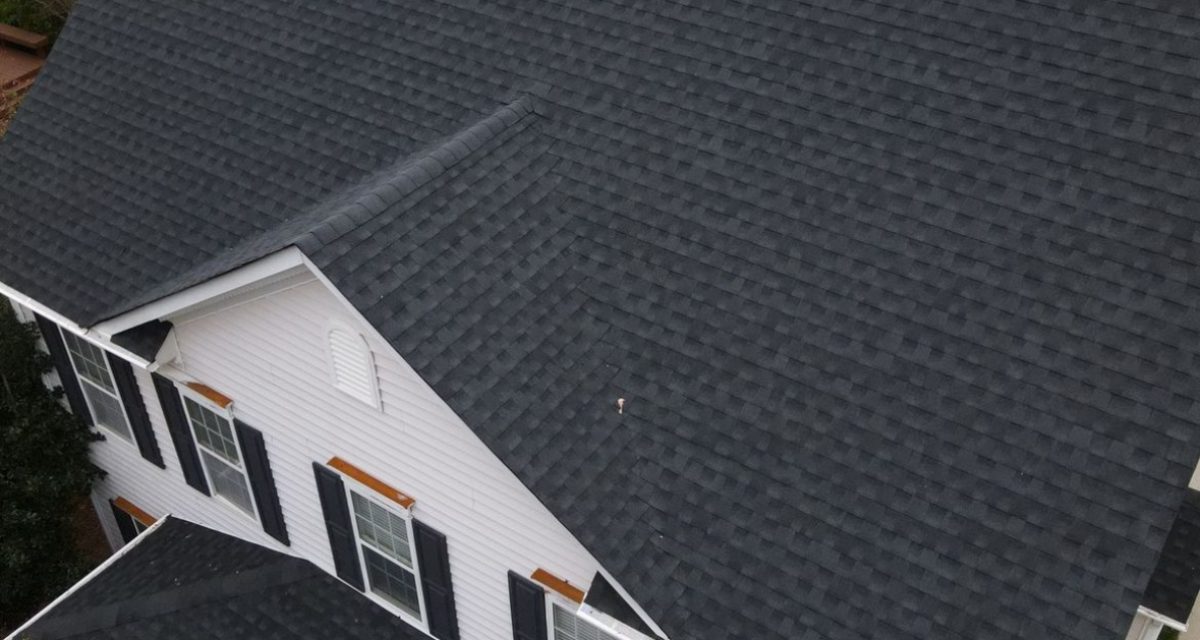
The photograph featured in this project provides a clear example of what a finished residential roofing system can look like when the installation is completed with consistency and attention to detail. From an elevated view, the large dark-gray shingle surface covers several connected roof planes, with clean lines running across the main roof, lower roof section, ridges, and intersecting slopes. The result is a uniform appearance that complements the white exterior of the home while providing a renewed protective covering.
For homeowners, a finished roof can look simple from the ground. From above, however, the complexity becomes much easier to understand. Different roof planes meet at specific angles, water must be directed through valleys and toward the appropriate drainage points, ridge lines must remain consistent, and the roofing materials need to follow the architecture of the structure. These details are part of what makes professional workmanship important.
In This Article
- What the finished roof in the photograph reveals
- Why preparation matters before installation
- How shingles create a complete protective surface
- Why roof edges, ridges, valleys, and transitions deserve attention
- The importance of ventilation and water management
- When repair may be appropriate and when replacement should be considered
- How professional workmanship supports long-term roof performance
- What homeowners should look for after a roofing project
What This Finished Roof Reveals About Professional Work
The most noticeable feature in the photograph is the consistent installation of the dark-gray asphalt shingles across a large and architecturally detailed roof. The courses appear orderly and follow the shape of each roof plane, creating a clean visual pattern instead of an uneven or improvised appearance.
This consistency matters for more than appearance. Roofing materials have to be installed according to their intended layout and the requirements of the selected roofing system. Shingles work together as overlapping components, so their positioning, fastening, alignment, and relationship to surrounding details all contribute to the finished roof.
The photograph also shows why a roof replacement project should be approached as a complete system. The main roof is connected to a lower section, while several slopes and ridge lines meet across the structure. Each transition requires planning so the roofing materials can move from one plane to another without compromising the overall weather-resistant design.
A professional roof replacement should therefore consider the entire roof rather than focusing only on the most visible surface. The objective is to create a finished system that looks clean, manages water effectively, and provides dependable protection over the structure beneath it.
Preparation Is the Foundation of a Successful Roof Replacement
Although the completed shingles receive most of the attention, much of the quality of a roof is determined before the final materials are installed. Proper preparation gives roofing professionals the opportunity to evaluate the existing system, identify areas that need attention, and establish a suitable surface for the new installation.
When an old roofing system is removed, the underlying deck can be inspected for signs of deterioration, moisture damage, weakened areas, or other conditions that may need correction. This step is important because installing new roofing materials over an unsuitable surface can compromise the performance of the finished system.
Preparation can also include reviewing roof edges, valleys, ridges, flashing, ventilation components, penetrations, and other areas where different parts of the roofing system meet.
The project shown in the photograph is already at the finished stage, so the preparation work is no longer visible. That is one of the most important lessons a finished project can provide: quality roof replacement work often hides the most important preparation beneath the materials homeowners see every day.
For additional information about the stages involved in a professional project, homeowners can review the company’s roof replacement service page.
The Importance of a Properly Installed Shingle Surface
Asphalt shingles are designed to form a layered exterior surface that helps shed water and protect the structure from weather exposure. When installed correctly, individual shingles work together to create a continuous roofing field.
The photograph shows why consistency matters. Across the broad main roof, the shingle courses create an organized pattern that follows the slope of the structure. The uniform appearance is especially noticeable because the roof is large and clearly visible from the elevated viewpoint.
A professional installation should maintain appropriate alignment across the roof while following the manufacturer’s installation requirements and applicable building standards. Fasteners need to be placed correctly, shingles need to overlap as intended, and starter and ridge components need to be installed as part of the complete system.
Installation guidance from GAF explains that asphalt shingle installation involves preparation and tear-off, deck inspection, underlayment, starter shingles, shingle placement, and ridge capping. Homeowners can use reputable manufacturer resources such as GAF’s roof shingle installation guide to better understand why professional installation involves multiple coordinated stages.
The goal is not simply to make the roof look new. The goal is to create a roofing surface that performs as intended.
Roof Edges, Ridges, Valleys, and Transitions Matter
The large roof plane in the photograph makes the main shingle field easy to see, but some of the most important roofing details occur where the surface changes direction.
Ridges are located where roof planes meet at their highest points. Valleys are areas where two sloping surfaces meet and where water is directed toward lower portions of the roof. Roof edges create another important boundary because they help define how water leaves the roofing system.
Transitions between different roof sections require especially careful workmanship. The photograph shows a main roof intersecting with a lower roof section, creating an area where the installation must remain consistent across changing slopes and directions.
These areas should not be treated as afterthoughts. A roofing system needs to move water away from the structure while maintaining a secure and weather-resistant surface at every transition.
Clean lines in the finished photograph provide a visual indication of why these details deserve attention. A professional result is not created by the shingles alone. It comes from coordinating the visible roofing materials with the components underneath and around them.
Water Management Is Central to Roofing Performance
A roof has one primary environmental responsibility: helping keep water out of the structure. Rainwater should move across the roofing surface and toward the appropriate drainage paths rather than becoming trapped around vulnerable areas.
The slope of the roof naturally supports this process, but installation details are equally important. Shingles, underlayment, flashing, valleys, edges, and other components work together to guide water away from the building.
The complex roof design shown in the photograph makes this especially relevant. With multiple roof planes and intersecting sections, water does not simply travel across one uninterrupted surface. It moves through different areas of the roof according to the slope and layout of the structure.
This is why a professional roof replacement requires more than covering the visible surface. The installation needs to account for how each section interacts with the surrounding areas.
Homeowners should also understand that roof performance depends on maintenance after installation. The National Roofing Contractors Association recommends periodic inspections and routine maintenance for residential roof systems and notes that inspections should also consider adjacent areas such as chimneys and sidewalls. Its residential roof maintenance guidance is a useful independent resource for homeowners.
Ventilation and the Components Beneath the Shingles
A finished roof is more than an outer layer of shingles. Beneath the visible surface are components that contribute to the overall performance of the roofing system.
Roof decking provides the structural base. Underlayment adds another layer of protection beneath the shingles. Flashing helps protect transitions and penetrations. Ventilation components can help manage moisture and heat in the attic space when properly designed and installed.
Because these components are largely hidden after completion, homeowners may not realize how much of the roofing system is invisible from the ground.
This is another reason an inspection is valuable before and after major roofing work. Before installation, an evaluation can help identify conditions that need to be corrected. After installation, a final review can confirm that visible areas and critical details have been completed properly.
A professional roof replacement should be treated as the installation of a coordinated system rather than a simple cosmetic upgrade.
Why the Finished Appearance Matters Too
Function should always come first in roofing, but appearance also matters. The roof is one of the largest visible surfaces on a home, so its condition can significantly influence the overall appearance of the property.
The photograph shows how the dark-gray shingles complement the white siding and dark exterior accents. The consistent shingle pattern creates a clean appearance across the main and lower roof sections without making the different slopes look disconnected.
A professional finish should be visually organized. Shingle courses should remain consistent, roof lines should look intentional, and transitions should appear properly integrated into the architecture.
This does not mean that every roof should look identical. Different homes require different roofing layouts, materials, colors, and installation details. The important point is that the finished result should reflect careful planning and workmanship.
When a roof is installed correctly, the appearance becomes a natural result of the quality of the work rather than a substitute for it.
Roof Replacement or Roof Repair: Choosing the Right Solution
Not every roofing problem requires a complete replacement. A professional evaluation should be used to determine whether a localized repair, more extensive repair, or full roof replacement is appropriate.
A repair may make sense when damage is limited to a specific area and the surrounding roofing system remains in good condition. Missing or damaged shingles, localized flashing problems, or a specific leak source may sometimes be addressed without replacing the entire roof.
Replacement may be more appropriate when deterioration is widespread, the roof has recurring problems, the roofing system has reached the end of its useful service life, or extensive damage affects multiple areas.
The decision should not be based solely on the appearance of one section of shingles. A professional inspection can provide a more complete understanding of the roofing system and help identify problems that may not be obvious from ground level.
All State Roofing & Chimney provides both roofing repair and replacement services, allowing homeowners to consider the solution that matches the actual condition of the property. Homeowners who want more information about this decision can also review the company’s guide on roof repair versus roof replacement.
The objective is not to recommend replacement in every situation. It is to determine what the roof actually needs and complete the work correctly.
What Homeowners Should Look for After a Roofing Project
Once a roof replacement project is finished, homeowners should take time to review the completed work with the contractor. A final walkthrough can help confirm that the project has been completed according to the agreed scope.
Visible shingles should have a consistent installation pattern. Roof edges, ridges, valleys, and transitions should look properly finished. Flashing and other visible components should be secure and appropriately integrated.
The property should also be left in an orderly condition. Professional roof replacement work includes responsible handling of removed materials and cleanup of the work area.
Homeowners should keep documentation related to the project, including product information, warranties, invoices, and any maintenance recommendations provided by the contractor.
It is also useful to understand that a new roof still requires care. Periodic visual inspections can help identify changes early, especially after severe weather. Homeowners should avoid walking on steep or unfamiliar roof surfaces and should use a qualified professional when a detailed roof inspection or repair is required.
A new roof is a major investment, and responsible maintenance can help protect that investment.
Professional Workmanship Creates the Finished Result
The photograph captures the finished stage of a residential roof replacement project, but the clean appearance visible from above represents many individual decisions made throughout the installation.
The dark-gray asphalt shingles have been arranged consistently across multiple roof planes. The different sections of the structure are visually connected through the roofing pattern. The ridges, slopes, edges, and transitions create a finished surface that looks intentional and complete.
This is what professional roofing should accomplish: a system that performs its protective function while also providing a clean, finished appearance.
At All State Roofing & Chimney, roof replacement projects are approached with attention to preparation, installation quality, detailed workmanship, and the condition of the complete roofing system. Services include roof replacement, roof repair, roof leak repair, emergency roofing, and new roof installation.
For homeowners who are considering a roofing project, the best first step is to understand the current condition of the roof. An inspection can help determine whether repair or replacement is appropriate and what areas may require attention.
If you are ready to discuss your roofing needs, you can request a free in-house roofing estimate and speak with the team about the condition of your roof and the work required.
Protecting the Value of a Well-Maintained Roof
A properly installed roof contributes to the protection, appearance, and overall condition of a home. It is one of the most important exterior systems because it is continuously exposed to changing weather conditions.
The completed project shown in the photograph demonstrates how a professional roofing system can combine appearance and function. The dark-gray shingle surface gives the home a clean, updated appearance, while the carefully arranged roofing planes create a cohesive finished result.
For homeowners, the most important lesson is that the visible roof is only the final layer of a much larger system. The quality of the finished surface depends on the preparation beneath it, the installation methods used, the treatment of transitions, and the attention given to details throughout the project.
Whether a home needs a full roof replacement, a targeted repair, or an inspection after severe weather, professional evaluation can help ensure that the right solution is selected.
A strong roof replacement project is not defined by appearance alone. It is defined by preparation, workmanship, weather protection, consistency, and attention to detail.
The roof shown in this photograph is a good example of why those principles matter. From the broad main roof to the lower connected section, every part contributes to the final appearance and protective function of the system.
All State Roofing & Chimney is available to help homeowners evaluate roofing conditions and determine the appropriate next step. For professional assistance, call (862) 295-7864 or request a free estimate through the company.