
Roof repair NJ homeowners postpone today often becomes a full roof replacement tomorrow. New Jersey roofs live a hard life: freezing winters, heavy snow, spring downpours, humid summers, and the occasional nor’easter or tropical storm remnant. Together, these conditions slowly loosen shingles, crack sealants, and open tiny pathways for water.
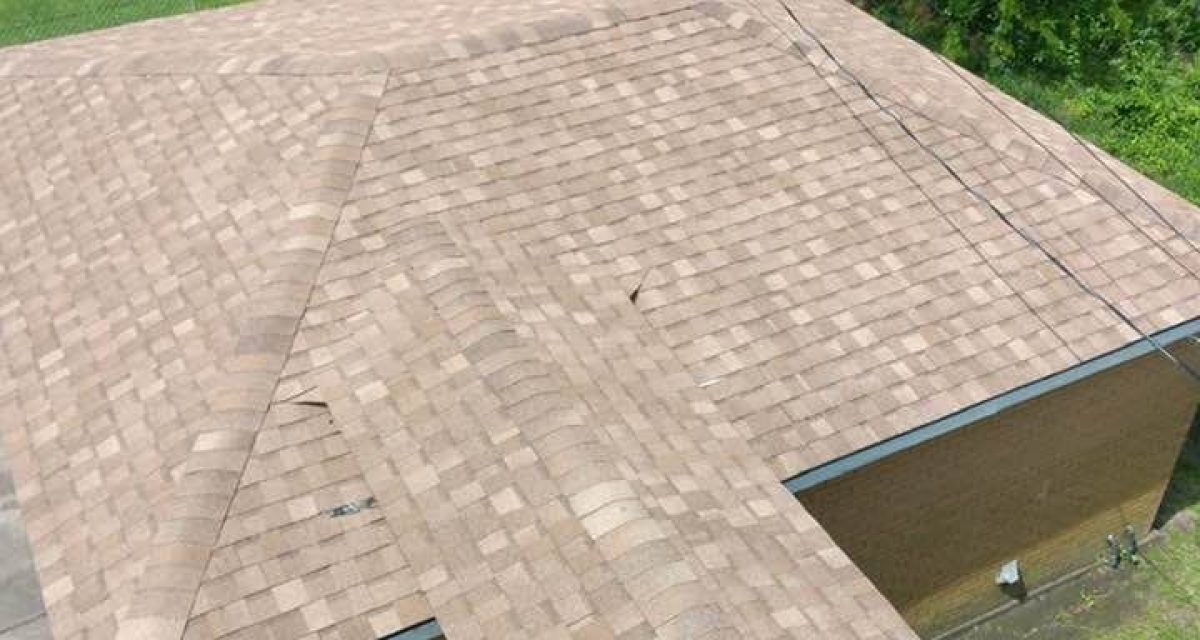
The photograph above shows a classic example. It is a hip-style roof covered in tan architectural shingles, sitting over a brick home. At first glance it looks solid, but a closer look reveals lifted and creased shingles along the hip ridge and a few displaced pieces near the roof edge. These are exactly the early-stage problems that a professional inspection catches before they turn into leaks, rotted decking, and ruined ceilings.
In this guide, the team at All State Roof Repair and Replacement explains what to look for, how repairs are performed, when replacement makes more sense, and how to choose a contractor you can trust.
Table of Contents
- What the Photo Tells Us About This Roof
- Why Roof Repair NJ Properties Need Is Different
- 7 Warning Signs You Need Roof Repair NJ Experts
- Roof Repair vs. Roof Replacement
- How Professional Roof Repair NJ Projects Work
- Hip Ridges, Flashing, and Chimneys
- What Affects the Cost of Roof Repair NJ Homeowners Pay
- How to Choose a Roofing Contractor in New Jersey
- Seasonal Roof Maintenance Checklist
- Frequently Asked Questions
- Final Thoughts
What the Photo Tells Us About This Roof
Let’s walk through what the image shows, because every detail matters during a roof inspection.
The roof design. This is a hip roof, meaning all sides slope downward toward the walls. Hip roofs are popular in New Jersey because they shed wind and snow well. They also have more ridges and valleys than a simple gable roof, and every ridge is a potential weak point.
The shingles. The roof is covered with architectural (dimensional) shingles in a warm tan blend. This is among the most common residential roofing choices in the state, valued for durability and curb appeal.
The hip ridge. Along the central hip line, several shingles appear lifted, bent, or creased. This often results from wind uplift, thermal expansion, or improper fastening. Once a ridge shingle lifts, wind-driven rain can enter underneath.
Displaced shingles near the edge. A small section on the left slope shows what looks like a shifted or missing piece. Even one missing shingle exposes the underlayment, and underlayment is not designed to be the final defense.
The surroundings. Mature trees, utility lines, and a fence line sit nearby. Trees drop debris and moisture onto the roof, encourage moss and algae, and can scrape shingles in storms.
None of this means the roof has failed. It does mean the roof deserves a professional look, and that is where roof repair NJ specialists add real value.
Why Roof Repair NJ Properties Need Is Different
A roof in Arizona and a roof in Bergen, Hudson, or Essex County face very different enemies.
Freeze-thaw cycles. Water enters tiny gaps, freezes, expands, and widens the gap. Repeated across a New Jersey winter, this breaks sealant bonds and lifts shingle edges.
Heavy, wet snow. Snow loads stress the roof structure, and ice dams form when heat escaping from the attic melts snow that refreezes at the eaves. Ice dams push water under shingles and into the walls.
Wind and storms. Coastal storms and summer thunderstorms bring gusts that grab loose shingles and peel them back, especially along ridges, hips, and edges.
Humidity and algae. Warm, humid summers feed algae and moss, which hold moisture against the shingles and shorten their lifespan.
Older housing stock. Many New Jersey homes are decades old. Original flashing, chimney details, and ventilation systems often wear out before the shingles do.
Because of this climate, effective roof repair NJ work isn’t just about replacing a shingle. It is about understanding why the shingle failed and fixing the cause.
7 Warning Signs You Need Roof Repair NJ Experts
Catching problems early is the single best way to protect your budget. Watch for these seven red flags.
1. Lifted, Curled, or Creased Shingles
Shingles should lie flat. When edges curl upward or a crease forms across the shingle, the seal strip has failed or the shingle was bent by wind. This is clearly visible along the hip ridge in the photo above. Lifted shingles are one of the most common reasons homeowners need roof repair NJ contractors after a storm.
2. Missing Shingles
A missing shingle leaves a bare patch exposed to rain, UV rays, and ice. Even a single gap can allow water to reach the roof deck. If you spot dark patches or an uneven pattern from the ground, call a professional immediately.
3. Granules in the Gutters
Shingles are coated with ceramic granules that protect the asphalt from sunlight. If your gutters or downspout exits are filling with sand-like grit, the shingles are aging quickly. Bald spots on shingles are a signal that repair or replacement planning should begin.
4. Water Stains on Ceilings or Walls
Brown or yellow rings on a ceiling, peeling paint, or damp attic insulation all point to an active leak. By the time a stain appears inside, water has often been entering for weeks or months. Fast roof repair NJ service can prevent mold and structural damage.
5. Sagging Areas
A sagging roofline suggests trapped moisture or a weakened deck. This is a serious structural issue. If you notice a dip or wave in the roof plane, treat it as urgent.
6. Damaged Flashing
Flashing is the metal that seals joints around chimneys, vents, skylights, and valleys. It is one of the most frequent leak sources. Rust, gaps, lifted edges, and dried sealant are all signs that flashing needs repair.
7. Moss, Algae, and Debris Buildup
Green or black streaks may look cosmetic, but moss lifts shingles and holds moisture against the roof. Overhanging branches, like the tree line near the home in the photo, make this problem worse and should be trimmed back.
If you recognize even one of these signs, schedule an inspection. A small repair now usually costs a fraction of a major repair later.
Roof Repair vs. Roof Replacement
One of the most common questions we hear is: “Can my roof be repaired, or do I need a new one?” The honest answer depends on four factors.
Age of the roof. Asphalt shingle roofs typically last around 20 to 30 years. If your roof is approaching the end of that range, repeated repairs may not be cost-effective.
Extent of the damage. Localized damage, such as a few lifted ridge shingles, a small leak around a vent, or storm damage on one slope, is usually a good candidate for repair.
Underlying condition. If the underlayment or decking is soaked or rotted across large areas, replacement protects your investment better.
Repair history. If you’ve paid for several repairs in a few years, the cumulative cost may be approaching the price of a new roof.
For a roof like the one in the photo, where the visible issues are localized to the ridge and a few edge shingles, targeted roof repair NJ work is likely the smart first step, provided the rest of the roof passes inspection. A professional will confirm this by checking attic conditions, decking, flashing, and the remaining shingles.
How Professional Roof Repair NJ Projects Work
A well-run repair follows a clear process. Here is what you should expect from a qualified contractor.
Step 1: Inspection and Documentation
The crew inspects the roof surface, ridges, valleys, flashing, gutters, and, when possible, the attic. Photos are taken so you can see exactly what the contractor sees.
Step 2: Written Estimate
You receive a clear, itemized scope of work, including materials, labor, timeline, and warranty details. No vague promises.
Step 3: Protecting Your Property
Tarps and magnets protect landscaping, decks, and siding. In the photo, you can see a deck and patio directly beneath the roofline, and these areas need to be covered and cleaned thoroughly.
Step 4: Removing Damaged Materials
Lifted, creased, or broken shingles are carefully removed without damaging the surrounding roof. If the underlayment or decking is compromised, it is repaired or replaced.
Step 5: Installing New Components
New shingles that match the existing color and profile are fastened according to the manufacturer’s specifications. Ridge caps are properly nailed and sealed, and flashing is corrected where needed.
Step 6: Cleanup and Final Inspection
Nails are collected with magnetic sweepers, debris is hauled away, and the work is reviewed with you.
Good roof repair NJ service should leave your property cleaner than it was found and your roof stronger than before.
Hip Ridges, Flashing, and Chimneys
Three areas deserve special attention on most New Jersey homes.
Hip and Ridge Caps
The hip ridge in the photo is where two roof planes meet at an angle. Ridge shingles are exposed to the harshest wind and sun. When they lift or crack, water follows the seam. Proper repair involves removing the damaged caps and installing new ones with correct nailing and sealing, not just adding a dab of sealant over the problem.
Flashing
Flashing must be properly layered with the shingles so water flows over each piece rather than behind it. Where a roof meets a brick wall, as at the lower edges of this home, step flashing and counter flashing provide the seal. Failed flashing is a leading cause of hidden leaks.
Chimneys
Chimneys are leak magnets. Mortar joints crack, crowns deteriorate, and the flashing at the base pulls away as materials expand and contract. That is why the professionals at All State combine roofing and chimney expertise: a roof is only as watertight as its weakest penetration. If your home has a chimney, include it in every roof inspection.
You can explore these services on our roofing services page and our chimney repair section.
What Affects the Cost of Roof Repair NJ Homeowners Pay
No honest contractor can quote a price without seeing the roof, but these factors drive most estimates:
- Size of the repair area: A few ridge shingles cost far less than a full slope.
- Roof pitch and height: Steeper or taller roofs need more safety equipment and time.
- Materials: Matching specialty or discontinued shingles can cost more.
- Hidden damage: Rotted decking or wet insulation increases scope.
- Accessibility: Trees, fences, and tight yards can slow the work.
- Flashing and chimney work: These are detail-intensive and add labor.
- Season and urgency: Emergency repairs after a storm can carry different pricing.
The best way to control cost is to act early. Small repairs are almost always cheaper than emergency repairs. Many homeowners are also surprised to learn that homeowners insurance may cover sudden storm damage. Documenting the damage with photos, as in the image above, makes the claim process easier.
How to Choose a Roofing Contractor in New Jersey
Not all roofers are equal, and unfortunately storm season attracts out-of-area crews who disappear when problems arise. Before hiring anyone for roof repair NJ projects, check these items:
- Proper registration. New Jersey requires home improvement contractors to register with the state. You can verify this through the NJ Division of Consumer Affairs.
- Insurance. Ask for proof of liability and workers’ compensation coverage.
- Local reputation. Look for real reviews, photos of completed projects, and references in your town.
- Written estimates and warranties. Both the manufacturer’s warranty and the contractor’s workmanship warranty should be in writing.
- Industry standards. Reputable contractors follow best practices published by organizations such as the National Roofing Contractors Association (NRCA).
- Manufacturer guidelines. Shingle makers publish installation requirements, and following them protects your warranty. The Asphalt Roofing Manufacturers Association is a helpful resource.
- No high-pressure sales. A professional explains options and lets you decide.
All State Roof Repair and Replacement serves New Jersey homeowners with honest inspections, clear communication, and workmanship we stand behind.
Seasonal Roof Maintenance Checklist
Regular maintenance extends roof life and reduces the need for emergency repair. Use this simple seasonal guide.
Spring
- Check for winter damage: lifted shingles, cracked sealant, bent flashing.
- Clean gutters and downspouts.
- Look for moss or algae starting in shaded areas.
Summer
- Trim branches that touch or hang over the roof.
- Inspect attic ventilation and look for excessive heat or moisture.
- Check for storm damage after severe thunderstorms.
Fall
- Clear leaves and debris from the roof and gutters.
- Inspect chimney crowns and flashing before freezing weather.
- Schedule needed roof repair NJ work before winter arrives.
Winter
- Watch for ice dams and icicles at the eaves.
- Never chip ice off the roof yourself, because it damages shingles.
- Check ceilings for new stains after thaws.
A professional inspection once a year, and after every major storm, is the best insurance you can buy.
Frequently Asked Questions
How long does roof repair take?
Most minor repairs, such as replacing ridge shingles or resealing flashing, are completed in a few hours to one day. Larger projects may take longer, depending on weather and scope.
Is a small leak an emergency?
Yes, in most cases. Water spreads along rafters and insulation, so the stain you see may be far from the actual entry point. Prompt roof repair NJ service limits damage and mold risk.
Will new shingles match my old ones?
Often, yes. Shingles fade over time, so a perfect match isn’t always possible, but experienced contractors choose the closest color and blend repairs so they are barely noticeable.
Does homeowners insurance cover roof repair?
It depends on the policy and the cause. Sudden damage from wind, hail, or fallen trees is commonly covered, while wear and tear usually is not. Photos and a written inspection report help your claim.
Should I repair or replace an older roof?
If the damage is localized and the rest of the roof is sound, repair is usually the economical choice. If the roof is near the end of its life or has widespread damage, replacement is smarter long-term.
Can I fix my roof myself?
We don’t recommend it. Roof work is dangerous, and incorrect repairs can void warranties and cause more damage. Leave it to trained, insured professionals.
Final Thoughts
A roof rarely fails overnight. It sends signals first: a lifted shingle, a creased ridge cap, a displaced piece near the edge, exactly what the photograph in this article shows. Homeowners who respond to those signals early enjoy lower costs, fewer surprises, and longer roof life.
If you’ve noticed any of the warning signs above, don’t wait for the next storm to find out how serious they are. Professional roof repair NJ homeowners can rely on starts with an honest inspection and a clear plan.