
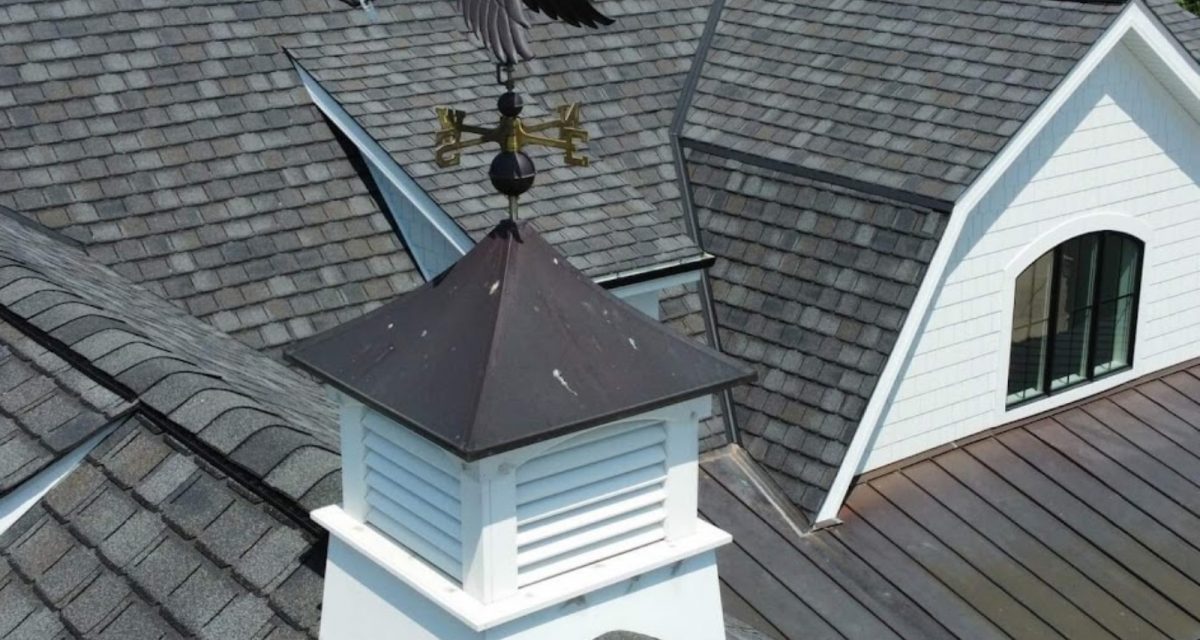
A residential roof is one of the most important protective systems of a home, and the quality of the work becomes especially important when the roof includes several slopes, valleys, architectural details, and different roofing materials. The project shown in this photograph presents a complex roof with architectural shingles, a distinctive cupola, metal roofing, multiple transitions, and carefully finished roof sections. This type of structure requires more than a quick surface repair. It requires a professional approach that considers how every roofing component works together.
For All State Roofing & Chimney, professional roof repair means looking at the complete roofing system rather than focusing only on the most visible problem. A roof can appear attractive from the ground while still having vulnerable areas around valleys, flashing, penetrations, edges, or transitions. Careful inspection and experienced workmanship help identify these areas and address problems before they become larger sources of damage.
In This Article
- Professional roof repair
- Valleys and flashing
- Architectural shingles
- Water management
- Roof inspections
- Cupola protection
- Chimney protection
- Quality workmanship
- Preventative maintenance
Professional Roof Repair for Complex Roof Designs
The roof shown here has several intersecting surfaces that create a visually detailed architectural design. Each intersection must be handled correctly because water naturally follows the slope of the roof toward valleys and lower sections. When these areas are not properly maintained, moisture can find pathways beneath shingles or around flashing.
Professional roof repair begins with understanding the structure of the roof. A qualified roofing professional examines the visible shingles, roof edges, valleys, flashing, penetrations, transitions, and surrounding components. The objective is not simply to replace a damaged shingle. The objective is to determine why the problem occurred and whether nearby materials or details also require attention.
The cupola visible in the center of the photograph is an excellent example of why detailed roofing work matters. Architectural features that rise above a roof create additional transitions where water must be directed around the structure. The surrounding shingles, metal components, trim, and flashing must work together to help protect the area from moisture. A professional roof repair approach pays close attention to these connections instead of treating them as isolated details.
Protecting Valleys, Transitions, and Flashing
Valleys are among the most important drainage areas on a sloped roof. They collect water from two or more roof planes and guide it toward the lower edge of the roofing system. Because water movement is concentrated in these areas, proper installation and maintenance are essential.
The photograph clearly shows multiple roof planes meeting around the architectural features. These transitions require accurate shingle placement and appropriate flashing details. During roof repair, a professional should inspect areas where materials meet and look for signs of deterioration, displaced components, exposed fasteners, damaged flashing, or conditions that could allow water to enter.
Flashing is another critical part of the roofing system. It is commonly used around roof-to-wall transitions, chimneys, penetrations, valleys, and other locations where water needs additional protection. Even when the main field of shingles remains in good condition, deteriorated flashing can contribute to leaks. For that reason, professional roof repair should evaluate the surrounding flashing rather than replacing only the visibly damaged roofing material.
A detailed inspection also helps distinguish between a localized repair and a larger roofing concern. If damage is limited to a specific area, targeted roof repair may be appropriate. If the roofing system has widespread deterioration, repeated leaks, or significant structural concerns, a broader solution may need to be considered. The right recommendation depends on the actual condition of the roof.
Architectural Shingles and Long-Term Roof Performance
The shingle pattern visible across the main roof provides both weather protection and a finished architectural appearance. Architectural shingles are designed to create a dimensional appearance while forming the primary exterior covering of the roof. Their performance depends on correct installation, proper fastening, adequate underlayment, sound decking, and effective water management.
Over time, roofing materials are exposed to sunlight, wind, rain, temperature changes, falling debris, and severe weather. These conditions can gradually affect shingles and other roof components. Curling, cracking, missing shingles, exposed fasteners, damaged edges, and areas of unusual wear can indicate that professional attention is needed.
Roof repair can address localized deterioration and help preserve portions of a roofing system that remain serviceable. However, the repair should be performed with attention to surrounding materials. Replacing one component without evaluating the adjacent area may leave the underlying cause unresolved.
The condition of the roof deck is also important. The deck forms the structural surface beneath the roofing materials and provides the foundation for the layers installed above it. If moisture has penetrated the roofing system for an extended period, the deck may require additional inspection. A professional evaluation helps determine whether the visible roofing issue is limited to the surface or connected to deeper deterioration.
Professional roof repair is also about preserving the relationship between the roof and the rest of the exterior envelope. Water should be directed away from vulnerable joints, materials should remain properly secured, and repaired sections should be compatible with the existing system. These principles are particularly important on a roof with several architectural features, because small installation details can have a direct effect on long-term weather resistance and overall performance.
Roof Repair and Water Management
Effective water management is fundamental to roofing performance. Rain should move predictably from the upper roof surfaces through valleys and toward gutters or other drainage points without becoming trapped in vulnerable locations. The complex geometry shown in this photograph makes that principle particularly important.
During roof repair, drainage paths should be considered along with the condition of shingles and flashing. Debris, damaged components, blocked drainage areas, or poorly maintained transitions can interfere with normal water movement. Water that repeatedly remains around a vulnerable area can increase the chance of deterioration.
The roof also interacts with other parts of the home, including walls, windows, chimneys, and architectural structures. Any place where the roof meets another building component deserves careful attention. The cupola in this project demonstrates how a decorative feature can also create multiple functional roofing transitions.
Professional workmanship helps ensure that repairs are integrated into the existing system. Matching materials, maintaining consistent alignment, securing components correctly, and sealing vulnerable areas when appropriate all contribute to a more complete repair.
Why Roof Inspections Matter Before Repairs
A professional inspection provides the information needed to determine the appropriate scope of work. Instead of assuming that a visible stain or damaged shingle represents the entire problem, the inspection can evaluate surrounding areas and identify potential contributing conditions.
The National Roofing Contractors Association emphasizes regular inspection and preventative maintenance for residential roof systems. Its guidance recommends periodic inspections, attention to signs of deterioration, and professional assistance when repairs are needed. NRCA also notes that areas such as valleys, gutters, roof edges, chimneys, and adjacent surfaces deserve attention during maintenance.
For homeowners, this means that roof repair should not always be viewed as an emergency response after a major leak. Preventative attention can help identify smaller concerns while they are more manageable. A professional inspection after severe weather can also help reveal damage that may not be obvious from the ground.
Safety is another reason to rely on trained roofing professionals. Steep or complex roofs can present significant fall hazards, and inexperienced property owners should not attempt to walk on a roof simply to investigate a suspected problem. Professional roofing teams have the equipment and experience needed to evaluate difficult areas more safely.
Detailed Work Around a Cupola
The cupola is one of the most noticeable features in this photograph, and it also demonstrates the importance of precision in roofing. Its base connects with the surrounding roof surface, while the upper structure introduces additional edges, trim, and transitions.
Whenever an architectural feature intersects a roof, water management becomes an important consideration. The surrounding materials must be arranged so that rain can move away from the feature rather than collect against vulnerable joints. Flashing and carefully finished transitions help create a protective connection between the roof and the structure above it.
During roof repair, professionals can examine these areas for signs of movement, deterioration, corrosion, damaged sealant, displaced materials, or moisture entry. The exact repair approach depends on what the inspection reveals. In some cases, a localized correction may be sufficient. In other situations, more extensive work may be necessary to restore the complete transition.
This is why a professional roofing project should focus on both appearance and function. A clean-looking roof is valuable, but the underlying objective is dependable protection against weather exposure.
Coordinating Roofing and Chimney Protection
Roofing and chimney systems often meet at critical points on a home. Although the photograph focuses primarily on the roof, the broader principle remains important: connected exterior components should be evaluated together when they share a transition.
Chimney flashing, roof-to-wall flashing, counterflashing, and nearby shingles can all influence how water moves around a chimney. If one component deteriorates, moisture may enter through a nearby transition and create damage that is difficult to trace from inside the home.
All State Roofing & Chimney combines roofing and chimney services so homeowners can address related exterior protection concerns through a professional evaluation. The company provides roof repair, roof leak repair, roof replacement, emergency roofing, and chimney services.
A professional roof repair assessment should therefore consider the complete area surrounding a suspected leak. Looking only at the point where water becomes visible inside the home may not reveal the actual entry point. Water can travel along roofing layers, framing, flashing, and other building components before becoming noticeable indoors.
Signs That a Roof May Need Professional Attention
Homeowners should pay attention to changes that may indicate roofing deterioration. Missing or damaged shingles are obvious warning signs, but they are not the only ones. Granule accumulation, visible flashing damage, cracked materials, sagging areas, recurring moisture stains, and unusual deterioration around valleys or roof penetrations can also justify an inspection.
After strong wind, heavy rain, hail, or other severe weather, a roof can develop damage that is difficult to see from the ground. A professional inspection can evaluate the roofing system without requiring homeowners to take unnecessary risks.
Inside the home, water stains on ceilings or walls may indicate a roofing or flashing issue, although the visible stain does not necessarily identify the exact source. Prompt professional evaluation can help determine whether the problem involves shingles, flashing, a penetration, drainage, or another component.
Early roof repair may also help prevent a localized issue from spreading. Water intrusion can affect roofing materials, insulation, decking, framing, and interior finishes when it continues unchecked. The longer a leak remains unresolved, the more complicated the resulting repair may become.
Quality Workmanship Makes a Difference
Professional roofing is a detail-oriented process. Correct materials are important, but installation quality is equally significant. Shingles need to be aligned correctly, fasteners need to be placed appropriately, flashing needs to be integrated properly, and transitions need to be finished with attention to water movement.
The photograph demonstrates the visual result of a roofing system where multiple materials and roof planes come together. Maintaining that level of appearance requires precision as well as practical roofing knowledge. A repair should blend appropriately with the existing roof while restoring the protective function of the affected area.
Quality workmanship also means keeping the project focused on the underlying cause. Applying a temporary patch without understanding why water is entering can provide only a short-term solution. Professional roof repair should seek to correct the source of the problem whenever the condition can be identified.
Homeowners also benefit from clear communication during the repair process. A professional roofing contractor should explain what was observed, which areas require attention, what work is recommended, and whether additional concerns were identified during the inspection.
Preventative Maintenance Supports a Strong Roofing System
Regular maintenance can help homeowners stay ahead of avoidable roofing problems. NRCA guidance states that preventative maintenance should include periodic inspections, routine maintenance, and repairs identified during those inspections. It also recommends additional inspections following severe weather events.
Maintenance may include checking visible roofing components, keeping drainage areas clear, observing changes in shingles or flashing, and addressing developing concerns promptly. Homeowners should avoid attempting complex repairs themselves when they do not have the proper experience or equipment.
A maintenance-focused approach can also make future roofing decisions easier. By documenting the condition of the roof and addressing smaller concerns as they appear, homeowners can better understand how the system is performing over time.
For complex residential roofs like the one shown in this photograph, preventative attention is especially valuable because there are more transitions and architectural details to monitor. Valleys, cupolas, metal sections, roof edges, and flashing areas can all require specialized attention.
A Professional Approach to Roof Repair
Every roof has its own configuration, materials, age, exposure, and maintenance history. That is why professional roof repair should begin with an inspection rather than a one-size-fits-all assumption.
The project shown in this photograph highlights the importance of precision across the entire roofing system. Architectural shingles cover broad roof sections, while the cupola and metal roof create additional transitions that require careful attention. The goal of professional work is to preserve the integrity of these connections and help the roof perform as one coordinated system.
All State Roofing & Chimney approaches roofing projects with an emphasis on careful evaluation, professional workmanship, and attention to detail. Whether the concern involves a localized roof repair, a recurring leak, storm-related damage, or an aging roofing system, a professional assessment can help determine the appropriate next step.
For homeowners, the most valuable roofing work is not simply the work that looks good when completed. It is work that addresses the condition of the roofing system, protects vulnerable transitions, manages water effectively, and supports dependable performance over time.
Protect Your Home With Professional Roofing Care
A well-maintained roof contributes directly to the protection of the home beneath it. The detailed residential roof shown here demonstrates how much craftsmanship can be involved when shingles, metal roofing, valleys, architectural structures, and flashing all meet within one system.
Professional roof repair gives homeowners an opportunity to address deterioration, investigate leaks, protect vulnerable areas, and maintain the performance of an existing roof. When the work is supported by careful inspection and experienced installation practices, repairs can become part of a broader strategy for maintaining the roofing system.
All State Roofing & Chimney is available for homeowners seeking professional roofing and chimney assistance, including roof repair, roof leak repair, roof replacement, emergency roofing, and chimney services. For professional evaluation and service, contact All State Roofing & Chimney at (862) 295-7864.
For independent roofing maintenance information, homeowners can also consult the National Roofing Contractors Association’s residential roofing resources, which provide guidance on inspection, maintenance, and repair.