
Table of Contents
- Professional Roof Repair Begins With a Careful Inspection
- What the Roof Repair Process Can Reveal
- Identifying Damaged Roofing Areas
- Why Proper Roof Repair Matters
- Roof Flashing and Water Protection
- The Importance of Roofing Materials
- Safety During Professional Roof Repair
- Roof Maintenance After Repairs
- When Roof Repair May Be Better Than Replacement
- Why Professional Work Makes a Difference
- Protecting Your Home With Quality Roofing Service
- Final Thoughts on Roof Repair
Professional Roof Repair Begins With a Careful Inspection
A properly maintained roof is one of the most important parts of a home. It protects the structure from rain, wind, sunlight, temperature changes, moisture, and other outdoor conditions that can gradually affect roofing materials. When visible damage begins to appear, professional roof repair can help address the problem before it develops into a much larger structural concern.
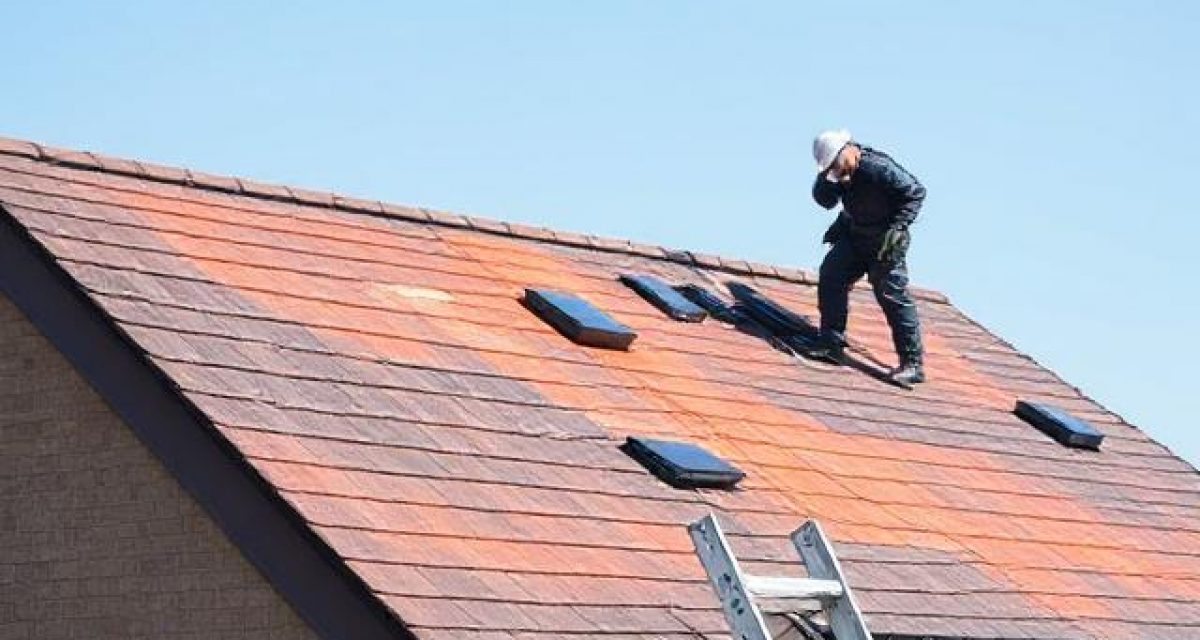
The photograph accompanying this article shows a roofing professional actively working on a residential roof. Several roofing materials and work areas are visible across the roof surface, while a ladder provides safe access to the elevated work area. This type of project demonstrates why roofing work requires experience, preparation, attention to detail, and a clear understanding of how different roof components work together.
Roof problems are not always obvious from the ground. A homeowner may notice a missing shingle, a dark area, water stains, or a small leak inside the house, but the visible symptom may only be part of the actual problem. Moisture can travel beneath roofing materials and affect areas that cannot be seen without a closer inspection.
A professional inspection helps determine the condition of the roofing surface, identify areas that require attention, and establish whether a localized repair is appropriate. The National Roofing Contractors Association recommends regular roof inspections and maintenance because problems can often be identified before they become more serious. National Roofing Contractors Association
What the Roof Repair Process Can Reveal
Every roofing project is different. Some repairs involve a small damaged section, while others reveal more extensive deterioration beneath the visible roofing surface.
The first step is understanding what is actually happening with the roof. A professional roofer examines the condition of the shingles or other roofing materials, checks vulnerable areas, and looks for signs of moisture intrusion or deterioration.
The roof shown in the photograph has a sloped design with numerous individual roofing components installed across the surface. The professional working on the roof is positioned near several exposed work areas, indicating that the project requires direct attention to specific sections rather than simply performing a visual inspection from the ground.
During a professional roof repair, attention may be given to:
- Damaged, cracked, or displaced roofing materials
- Areas where water may enter beneath the roof covering
- Roofing edges and transitions
- Flashing around vulnerable areas
- Roof penetrations
- Valleys and drainage paths
- Underlayment condition
- Roof decking where accessible
- Signs of previous repairs
- Areas affected by weather or aging
The purpose is not simply to replace a visible piece of material. The objective is to restore the roof’s ability to perform as a complete weather-resistant system.
Identifying Damaged Roofing Areas
One of the most important aspects of roof repair is identifying the exact location and extent of damage.
Roofing materials can deteriorate for many reasons. Strong winds may loosen or remove shingles. Repeated exposure to rain and sunlight can gradually weaken materials. Falling branches can cause impact damage. Poor drainage can allow water to remain in vulnerable areas. Improper installation can also create conditions that eventually lead to leaks.
A professional roofer looks beyond the most obvious problem.
For example, a homeowner may notice water entering a room near the ceiling. The location of the interior stain does not necessarily correspond directly with the point where water entered the roof. Water can move beneath roofing materials before becoming visible inside the building.
This is why professional roof repair requires careful inspection rather than simply covering the visible symptom.
The image provides a useful example of the hands-on nature of roofing work. The professional is positioned directly on the roof surface, inspecting and working around several roofing components. This level of access allows roofing specialists to examine conditions that cannot be evaluated accurately from the ground.
A detailed inspection can help determine whether the problem is localized or whether multiple areas require attention.
Why Proper Roof Repair Matters
Ignoring a roofing problem can allow a relatively manageable issue to become increasingly complicated.
A damaged roof can permit moisture to reach the underlying components of the roofing system. Over time, repeated moisture exposure can contribute to deterioration of wood decking, insulation, interior surfaces, and other building components.
The longer a roof problem remains unresolved, the greater the possibility that additional repairs will be required.
Professional roof repair is therefore not only about correcting the appearance of the roof. It is about preserving the function of the entire roofing system.
A quality repair should address the cause of the problem whenever possible. Simply placing new material over a damaged area may not provide a lasting solution if the underlying issue has not been identified.
This is especially important around areas where different roofing components meet. Transitions, edges, flashing, penetrations, and drainage points can require additional attention because they are particularly important to the roof’s ability to resist water.
A professional approach focuses on both the visible material and the surrounding conditions that could contribute to future damage.
Roof Flashing and Water Protection
Flashing is an important component of many roofing systems. It is used around areas where roofing materials meet walls, chimneys, vents, skylights, roof edges, and other structures.
Because these areas create changes in direction or interruptions in the roofing surface, they require careful detailing.
If flashing becomes damaged, improperly installed, loose, or deteriorated, water may find a pathway into the roofing system.
During roof repair, professional attention to flashing can be essential. The roofer may inspect existing flashing for signs of deterioration, displacement, corrosion, gaps, or other conditions that could compromise water resistance.
The photograph shows a residential roof with multiple roof components and a professional actively working on the surface. Although not every roofing detail is visible from the photograph, the image clearly demonstrates why roof work must be performed from the roof itself when a detailed evaluation or repair is required.
Proper water management is one of the fundamental goals of a roofing system. Every component must work together to help direct water away from vulnerable areas and toward appropriate drainage paths.
The Importance of Roofing Materials
A successful repair depends not only on workmanship but also on using appropriate roofing materials.
Different roofing systems require different repair methods and materials. Asphalt shingles, metal roofing, tile, slate, and low-slope roofing systems each have their own installation requirements.
The materials used for a repair should be compatible with the existing roofing system whenever possible.
Color and appearance can also matter, particularly when repairing a visible section of an existing roof. However, appearance should not be the only consideration. Durability, compatibility, weather resistance, proper installation, and the condition of the surrounding roof are all important.
The goal should be to create a repair that performs effectively while integrating appropriately with the existing roofing system.
Professional roofing organizations such as the National Roofing Contractors Association provide technical and consumer resources covering roof maintenance, inspection, materials, weather-related damage, and repair considerations. National Roofing Contractors Association
For homeowners considering roofing materials, independent information can also be useful when comparing different options and understanding how roofing products are designed to perform under different environmental conditions.
Safety During Professional Roof Repair
Roofing is specialized construction work that requires proper safety procedures.
The photograph clearly shows the height and slope involved in this type of project. A ladder is positioned against the roof, while the roofing professional is working several feet above the ground.
Working on a sloped roof without the correct experience and safety equipment can create serious risks.
Professional roofing crews are trained to work around elevated surfaces, ladders, roofing materials, tools, and changing job-site conditions. Safety practices are particularly important when a roof is steep, wet, damaged, or exposed to strong weather conditions.
The National Roofing Contractors Association specifically cautions homeowners against attempting roofing work without appropriate experience and equipment, noting that improper work can create both personal safety risks and additional roof damage. National Roofing Contractors Association
For homeowners, the safest approach is to observe roofing conditions from a safe location and allow qualified professionals to perform work that requires access to the roof surface.
A professional roof repair project should prioritize both the quality of the finished roof and the safety of the people performing the work.
Roof Maintenance After Repairs
Completing a roof repair is an important step, but ongoing maintenance can help protect the investment.
Regular inspections can help identify changes in the roof’s condition before they become major problems. Homeowners should pay attention to visible signs such as damaged or missing roofing materials, unusual staining, moisture around ceilings, or debris accumulating in drainage areas.
After severe weather, an additional inspection may be appropriate. Strong winds, hail, heavy rain, and falling branches can affect roofing materials even when damage is not immediately obvious from the ground.
The NRCA recommends periodic inspections and notes that inspections after severe weather events can help identify damage. National Roofing Contractors Association
Keeping gutters and drainage paths clear is another important part of roof maintenance. Water should be able to move away from the roof efficiently rather than accumulating around vulnerable areas.
Maintenance does not eliminate the possibility of future repairs, but it can make it easier to identify problems early.
A professional maintenance program can also help property owners understand how the roof is aging and when additional work may eventually become necessary.
When Roof Repair May Be Better Than Replacement
Not every roofing problem automatically means that the entire roof needs to be replaced.
A roof may have a localized issue that can be professionally repaired while the remainder of the roofing system continues to perform properly. The NRCA notes that leaks can result from specific problems such as loose flashing or a damaged section, meaning that a leak does not necessarily indicate that complete replacement is required. National Roofing Contractors Association
However, determining whether repair or replacement is appropriate requires an evaluation of the overall roof condition.
Factors that may influence the decision include the age of the roof, the extent of damage, the condition of the underlying components, previous repairs, the type of roofing material, and the expected remaining service life.
If damage is isolated and the surrounding roofing system remains in good condition, targeted roof repair may be a practical solution.
If the roof has widespread deterioration or repeated failures, replacement may provide a more appropriate long-term solution.
A professional evaluation helps homeowners make this decision based on the actual condition of the roof rather than relying only on the appearance of one damaged area.
Why Professional Work Makes a Difference
Roofing requires more than placing materials on top of a building.
A properly functioning roofing system depends on correct installation, appropriate materials, effective water management, adequate ventilation where applicable, proper flashing, secure attachment, and attention to the underlying structure.
Small details can have a major impact on long-term performance.
The photograph represents this principle well. The roofing professional is working directly on the roof, surrounded by materials and equipment necessary to complete the project. This is not a task that can be approached casually.
Professional roof repair combines inspection, technical knowledge, workmanship, safety, and attention to the condition of the existing roofing system.
A professional roofer can also recognize when a visible problem may indicate a deeper issue. Instead of treating only the symptom, the inspection can help identify the underlying cause and determine what work is actually necessary.
This approach can provide homeowners with greater confidence that the repair is addressing the real roofing concern.
Protecting Your Home With Quality Roofing Service
The roof is continuously exposed to the elements, making regular attention essential for maintaining its performance.
A strong roofing system helps protect the interior of the home and the structural components beneath it. When damage occurs, responding promptly can reduce the likelihood of additional deterioration.
Quality roof repair should always be approached with a focus on long-term performance rather than a temporary cosmetic fix.
For homeowners, the process should begin with a professional assessment. Once the condition of the roof has been evaluated, the appropriate repair strategy can be determined.
This may involve replacing damaged roofing materials, addressing flashing, correcting localized water-entry points, improving vulnerable details, or repairing affected sections of the roofing assembly.
Every project should be based on the actual condition of the property.
The work shown in the photograph demonstrates the practical side of roofing service: accessing the roof, identifying the areas requiring attention, working with the appropriate materials, and completing the necessary repairs with care.
A reliable roofing professional understands that every roof is different and that the correct solution depends on the roof’s construction, condition, materials, and history.
Final Thoughts on Roof Repair
Professional roof repair is an important part of protecting a home’s roofing system and maintaining the overall condition of the property.
The photograph featured in this article captures a real roofing work environment, with a professional actively addressing a residential roof and working carefully across the sloped surface. It illustrates the skill, equipment, access, and attention to detail required to perform roofing work correctly.
Whether the concern involves damaged shingles, moisture intrusion, deteriorated flashing, storm-related damage, or another roofing issue, a careful inspection is the best starting point.
Early attention can help prevent minor roofing concerns from developing into more extensive problems. Regular maintenance and inspections can also help property owners understand the condition of their roof and plan future work more effectively.
Independent resources from the National Roofing Contractors Association can help homeowners learn more about inspection, maintenance, materials, and roofing practices. National Roofing Contractors Association
For additional information about roofing performance and energy considerations, ENERGY STAR also provides educational information about roof surfaces and cool-roof principles. ENERGY STAR
For professional roofing assistance, homeowners can contact All State Roofing and Chimney to discuss their roofing concerns and determine the appropriate next step. A professional evaluation can provide a clearer understanding of the current roof condition and whether repair, maintenance, or more extensive roofing work is appropriate.
A roof should never be viewed as simply another exterior surface of the home. It is a critical protective system. Investing in professional inspection, timely roof repair, and proper maintenance can help preserve that system and support the long-term protection, appearance, and performance of the property.