
Roof replacement is not simply the process of putting new shingles on a house. A properly completed roofing project begins much earlier, with careful preparation of the existing structure, inspection of the roof deck, replacement of damaged decking, installation of protective underlayment, and precise preparation for the final roofing materials.
The photograph featured in this project provides a clear look at one of those important stages.
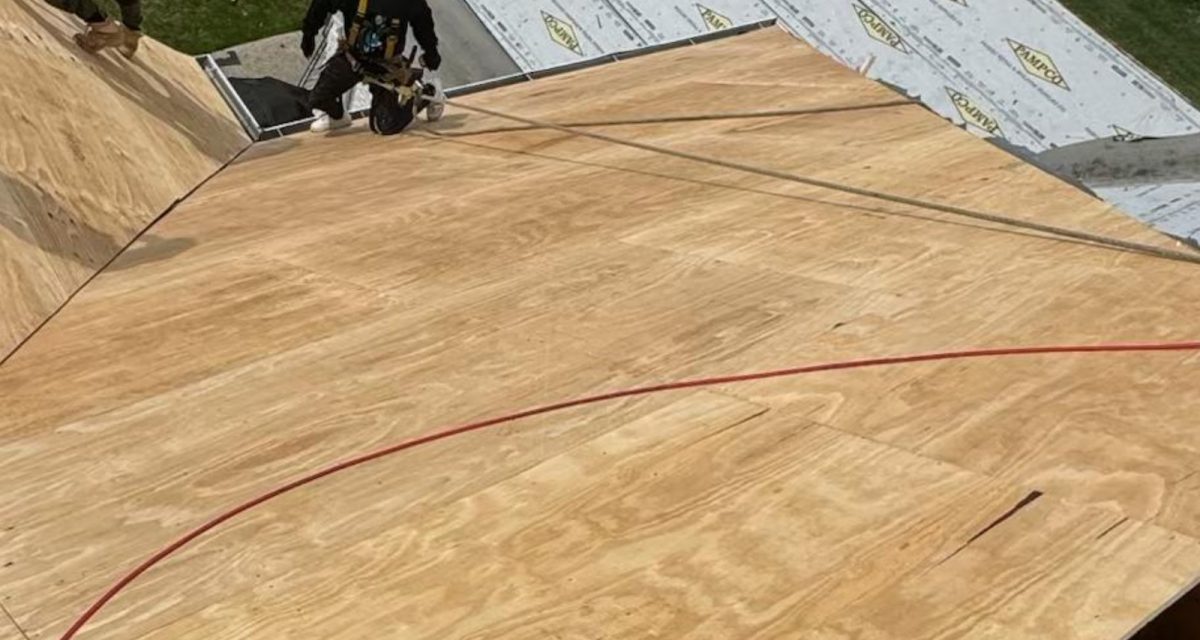
The old roofing system has been removed, exposing the roof structure and allowing the crew to work directly on the decking. Large sections of new plywood roof decking have been installed, while another section of the roof has already received protective underlayment.
This stage is extremely important because the finished roof will depend on the quality and condition of everything underneath it.
At All State Roofing & Chimney, the objective of a professional roofing project is to approach the work carefully from the foundation upward. The company provides roof replacement, roof repair, roof leak repair and emergency roofing services, with free inspections and estimates available.
The project shown here demonstrates why professional preparation is such an important part of building a durable roofing system.
1. The Foundation of a Professional Roof Replacement
A successful roof replacement begins with a properly prepared foundation.
Although homeowners usually notice the shingles, color and overall appearance of a finished roof, much of the important work takes place underneath the visible roofing material.
The roof deck is the structural surface that supports the layers installed above it. When an existing roof is removed, the condition of this surface can be properly evaluated.
This is one of the advantages of a complete roofing project rather than simply covering an old roof with another layer.
Once the old materials are removed, the roofing crew can inspect the exposed surface and determine which areas are suitable for the new roofing system and which areas require replacement or additional preparation.
The photograph shows this process clearly.
A large portion of the roof has been prepared with new plywood decking, creating a clean and stable surface for the next stage of construction.
This is the type of work that may eventually become invisible once the roof is completed, but it plays an important role in the quality of the finished system.
2. Removing the Existing Roofing System
Before new roofing materials can be installed, the existing roofing system may need to be removed.
The removal stage allows the roofing crew to expose the underlying structure and identify conditions that may not be visible from the exterior.
Old roofing materials can conceal damaged decking, areas affected by moisture, deteriorated components or other issues that need to be addressed before the new roof is installed.
A professional roof replacement should therefore begin with careful removal and preparation rather than rushing directly into installation.
Once the old materials are cleared, the crew has a much better opportunity to evaluate the actual condition of the roof.
The photograph captures the project at this important stage. The roof surface is open, the decking is visible, and the crew is actively preparing the structure for the next layers.
This methodical approach helps ensure that the new roofing system is installed over a properly prepared surface.
3. Inspecting the Roof Deck
The roof deck is one of the most important components of the entire roofing assembly.
It serves as the foundation beneath the underlayment and final roof covering. Because of this, its condition should be carefully evaluated during a roof replacement.
If portions of the decking are damaged or unsuitable, they can be replaced before the new roofing materials are installed.
The photograph shows extensive new plywood decking covering the roof surface.
The smooth, newly prepared panels provide a clean foundation for the next stage of the installation.
This is an important part of professional roofing because the quality of the finished roof begins with the surface underneath it.
A roofing project should not only focus on what homeowners will see when the work is complete. It should also address the structural and protective layers that will remain underneath the final roof covering.
Proper preparation at this stage can help create a more reliable foundation for the completed roofing system.
4. Installing New Roof Decking
One of the most noticeable features in this photograph is the installation of new roof decking.
Large plywood panels have been installed across the roof, creating a fresh surface for the roofing materials that will follow.
New decking installation requires careful measurements, accurate placement and proper fastening.
The panels must work with the existing roof structure and accommodate the different slopes, angles and transitions of the roof.
This is particularly important on roofs with multiple sections, valleys, changes in elevation or architectural details.
During a roof replacement, the new decking becomes the foundation for everything that follows.
Once the final roofing materials are installed, homeowners may never see these plywood panels again. Nevertheless, their condition and installation are critical to the overall construction.
This is why a professional roofing crew takes the preparation stage seriously.
The photo gives homeowners a behind-the-scenes view of this process and shows how much work can take place before the final shingles are installed.
5. Adding Protective Underlayment
Another important component visible in the photograph is the roofing underlayment.
The white material installed over portions of the new decking provides an additional protective layer between the roof deck and the final roof covering.
Underlayment is an important component of many roofing systems because it provides an additional layer of protection beneath the exterior roof material.
During a roof replacement, proper underlayment installation requires attention to coverage, overlaps, edges, transitions and other areas where water management is important.
The photograph shows the roofing project progressing section by section.
Some areas have already received underlayment while other sections remain exposed as the crew continues working.
This demonstrates how a roofing system is constructed progressively.
The roof deck forms the base.
The underlayment provides another protective layer.
The final roofing material will then complete the exterior roofing system.
Every layer has a specific purpose, and the quality of the completed roof depends on how those layers are installed together.
6. Attention to Roof Details and Transitions
Professional roofing involves more than working across large, flat sections of decking.
A roof contains numerous areas where careful attention is required.
These can include:
- Roof edges
- Valleys
- Sloped transitions
- Roof penetrations
- Chimney areas
- Flashing locations
- Dormers
- Different roof planes
- Areas around vents and other components
During a roof replacement, these areas require careful preparation because they can be particularly important to the overall weather-resistant performance of the roofing system.
The photograph shows multiple roof sections meeting at different angles. This type of configuration requires the crew to work carefully around transitions and maintain proper installation practices throughout the project.
A professional roofing company understands that the quality of a roof is not determined only by the large visible areas.
Small details matter as well.
Careful preparation and installation around transitions help create a more complete roofing system from the decking upward.
7. Safety and Professional Workmanship
Roofing is specialized construction work that takes place at height.
The workers shown in the photograph are operating directly on a sloped roof while using professional roofing equipment and safety systems.
Safety is therefore an essential part of any professional roofing project.
A successful roof replacement requires not only knowledge of roofing materials and installation techniques but also proper attention to jobsite safety.
OSHA provides specific guidance concerning fall protection for residential construction and roofing activities. Roofing and roof sheathing are among the construction activities where fall hazards must be properly addressed.
Professional workmanship also means keeping the project organized.
Materials must be positioned correctly, tools must be managed efficiently, and the crew must coordinate different stages of the installation.
The photograph gives a useful behind-the-scenes look at this type of professional work.
The crew is not simply installing a finished roof in one step.
They are building the system progressively, from the exposed structure through the decking and protective layers.
8. Building the Roof Layer by Layer
One of the most important things homeowners can learn from this project is that a roofing system is made up of multiple layers.
A typical roofing installation may include:
Roof structure → roof decking → underlayment → flashing and related components → final roof covering
Each layer contributes to the overall roofing system.
The roof decking creates the base.
The underlayment provides an additional protective barrier.
Flashing and other components help address vulnerable areas and transitions.
The final roofing material provides the visible exterior surface.
A complete roof replacement brings these components together into one coordinated system.
The photograph captures this layered construction process at a stage when the foundation and protective materials are clearly visible.
Once the final roof covering is installed, these underlying materials will no longer be visible.
That does not make them less important.
In fact, the hidden layers are a major part of what makes proper roofing construction possible.
9. Why Proper Roof Preparation Matters
Proper preparation is one of the most important parts of a roof replacement.
Rushing through preparation can create problems later, while careful preparation gives the roofing crew an opportunity to address issues before they become concealed.
This is why replacing damaged decking, preparing the surface and installing underlayment are important stages of the project.
The photograph demonstrates exactly why homeowners should look beyond the finished appearance of a roof.
A beautiful new roof is the result of many individual steps.
The work shown here represents the foundation of that final appearance.
New decking provides a clean working surface.
Underlayment adds another protective layer.
The crew then continues with the remaining components necessary to complete the roofing system.
At All State Roofing & Chimney, roof replacement is one of the company’s primary roofing services, alongside roof repair, roof leak repair and emergency roofing.
10. Final Inspection and Completion
After the installation work is completed, the roofing project should be carefully inspected.
A final inspection provides an opportunity to review the completed installation and verify that the different roofing components have been properly installed.
The crew can examine areas such as roof edges, transitions, flashing, penetrations and visible installation details.
Cleanup is another important part of completing the project.
A professional roofing company should leave the work area organized and remove construction debris and unused materials according to appropriate jobsite practices.
The goal is not simply to finish installing the roof.
The goal is to complete the entire project professionally.
The photograph represents one stage of that larger process.
What homeowners eventually see as a finished roof begins with the type of preparation shown here.
11. Professional Roofing Services by All State Roofing & Chimney
All State Roofing & Chimney provides professional roofing services designed to address different roofing needs, including roof replacement, roof repair, roof leak repair and emergency roofing.
The company’s website also lists several roofing material options, including asphalt shingles, slate, metal and flat roofing systems.
For homeowners considering a new roof, the first step is understanding the current condition of the existing roofing system.
A professional inspection can help determine whether the roof requires repairs, partial replacement or a complete roof replacement.
Every property is different.
The appropriate roofing solution depends on factors such as the condition of the existing roof, the roof structure, material selection and the scope of work required.
That is why an in-house inspection and detailed estimate can be useful before construction begins.
All State Roofing & Chimney advertises free inspections and free in-house estimates through its website.
12. A Closer Look at This Roofing Project
The photograph provides an excellent example of the work that takes place behind the scenes during a professional roof replacement.
The project is clearly beyond the initial tear-off stage.
The existing roofing has been removed.
New plywood roof decking has been installed across large sections.
Protective underlayment is already being applied.
The roofing crew is carefully moving through the remaining sections of the project.
This is an important reminder that a roof is much more than the shingles visible from the ground.
The finished roof is the result of a carefully organized construction process.
Every stage contributes to the final result.
Every layer serves a purpose.
And every detail matters.
The work shown in this photo demonstrates the importance of building the roofing system from a properly prepared foundation.
Professional Roof Replacement Built from the Foundation Up
A quality roof replacement begins long before the final shingles are visible.
It begins with removing the existing roofing system, inspecting the underlying structure, preparing the roof deck and replacing damaged or unsuitable sections when necessary.
From there, the installation continues with protective underlayment and the other components required for a complete roofing system.
The photograph shows exactly why these stages deserve attention.
The large plywood decking across the roof represents the foundation of the new system.
The installed underlayment represents another important protective layer.
And the roofing professionals working on the project are responsible for bringing each stage together correctly.
This is the craftsmanship that homeowners may not see once the finished roof is complete, but it is an essential part of the project.
For homeowners considering a new roof, the best place to start is with a professional inspection and a clear understanding of the condition of the existing roofing system.
All State Roofing & Chimney is available for roofing inspections, roof replacement, roof repair, roof leak repair and emergency roofing services.
Call All State Roofing & Chimney today at (862) 295-7864 to schedule a free in-house estimate.