
A professional roof replacement is one of the most important investments a homeowner can make to protect the structure, improve exterior appearance, and support long-term property value. A successful project requires more than installing new shingles. It involves careful preparation, inspection of the existing roofing system, proper installation techniques, attention to vulnerable roof transitions, and a thorough review of the completed work.
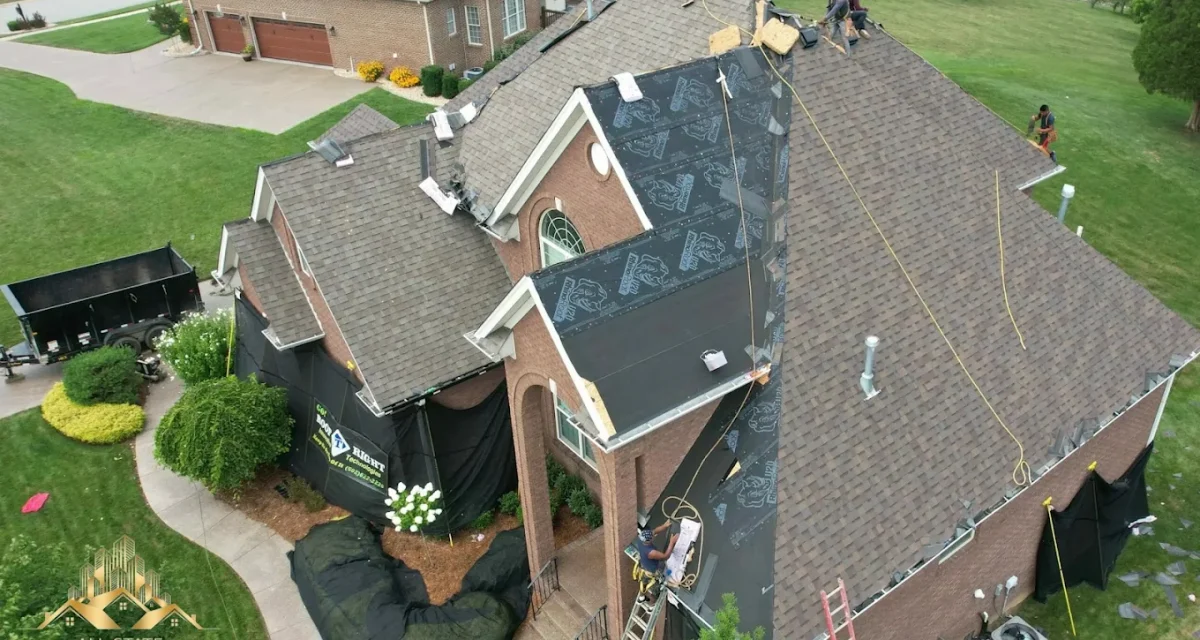
The photograph featured in this article captures an active residential roofing project, showing several stages of installation across a large, multi-section roof. New gray asphalt shingles cover substantial portions of the structure, while another section reveals protective roofing underlayment and work areas that are still being completed. Roofing professionals are working across the steep roof slopes with safety equipment, materials, and tools positioned throughout the project.
This type of residential roofing work demonstrates why experience, planning, and attention to detail matter. Every roof section must be evaluated individually while remaining part of a complete roofing system designed to manage water, withstand weather exposure, and protect the home beneath it.
At All State Roofing & Chimney, professional roofing services focus on the essential details that contribute to a dependable installation. From preparing the existing roof to addressing flashing, installing new shingles, and completing the final inspection, every stage deserves careful attention.
Understanding the Residential Roof Replacement Process
A residential roof is a complete protective assembly rather than a single layer of shingles. Beneath the visible surface are components that work together to support the roofing materials, direct water away from the structure, and help protect the interior from moisture.
The photograph provides a useful view of this process in action. Different portions of the roof show different stages of work, illustrating how a professional crew can progress systematically across a complex residential structure. The combination of broad roof planes, intersecting slopes, ridges, and architectural details requires careful coordination throughout installation.
A roof replacement generally begins with an evaluation of the existing system. Depending on its condition and the agreed scope of work, the contractor may remove existing shingles, inspect the roof deck, replace deteriorated materials, install suitable underlayment, and prepare the surface for new roofing products.
The installation then progresses across the roof, with particular attention to alignment, fastening, flashing, valleys, edges, and roof penetrations. These details influence how effectively the completed system handles rain and changing weather conditions.
Homeowners should understand that the appropriate installation procedure depends on the roof design, selected materials, manufacturer requirements, and applicable building codes. A professional evaluation helps determine the work necessary for the specific property.
Why Professional Roof Replacement Matters
An aging or damaged roof can create problems that extend beyond the exterior surface. Missing shingles, deteriorated flashing, repeated leaks, and damaged underlying materials can allow moisture to enter areas that should remain protected.
Replacing a roof when necessary provides an opportunity to address these issues systematically rather than repeatedly repairing isolated symptoms. However, complete replacement is not always the only solution. A qualified inspection can help determine whether targeted repairs or a more comprehensive project is appropriate.
The scale of the roof shown in the photograph highlights the importance of professional planning. Several adjoining roof sections must be covered consistently, and the installation must accommodate changes in slope, roof edges, and other architectural features.
Professional workmanship helps ensure that the selected materials are installed according to their specifications. Correct placement, suitable fastening, and properly completed transitions are essential parts of the finished roofing system.
A new roof can also refresh the appearance of a property. Gray asphalt shingles provide a consistent surface that complements the brick exterior shown in the photograph. The visual improvement is valuable, but the primary purpose remains dependable protection against environmental exposure.
For additional information about roofing materials and homeowner considerations, consult the National Roofing Contractors Association’s consumer resources.
Preparing the Property Before Installation
Preparation is an essential stage of a successful roof replacement. Before work begins, the contractor should assess the project layout, identify access points, determine where materials will be positioned, and establish appropriate measures for protecting the surrounding property.
The photograph shows protective coverings around portions of the home and landscaping, together with materials and equipment organized near the active work areas. These details illustrate why planning extends beyond the roof surface itself.
Roofing work can generate discarded shingles, nails, packaging, and other debris. Protective measures help reduce the risk of damage to landscaping, walkways, exterior equipment, and nearby surfaces.
A well-organized worksite also supports an efficient installation process. Materials should be staged appropriately, access routes kept manageable, and work areas maintained in a condition that allows the crew to move safely.
Weather planning is equally important. Roofing materials and exposed surfaces may be affected by rain, wind, and other changing conditions. Contractors should follow appropriate procedures for protecting exposed sections and scheduling work according to the forecast and material requirements.
Before installation begins, homeowners should understand the project scope, expected sequence, cleanup arrangements, and procedure for communicating unexpected findings. Clear expectations help keep the project organized from preparation through completion.
Inspecting the Roof Deck and Underlayment
The roof deck provides the supporting surface for the roofing assembly. Its condition is important because the shingles and associated components depend on a suitable foundation.
During a roof replacement, removing the existing roofing materials can reveal conditions that were previously concealed. Depending on what the inspection identifies, the deck may require localized repairs or replacement before new materials are installed.
A professional contractor should evaluate visible deterioration, moisture-related damage, weakened sections, and other conditions that could affect the installation. Any necessary corrective work should be addressed before the affected area is covered again.
Underlayment is another important component. Installed over the prepared roof deck according to the roofing system’s specifications, it provides an additional layer of protection beneath the shingles. Its selection and installation should reflect the roof design, material requirements, and applicable codes.
The photograph shows a dark protective layer on an unfinished section beside areas already covered with gray shingles. This contrast illustrates how preparation and installation can progress in stages across a large roof.
Attention to overlaps, fastening, edges, valleys, and transitions is important when installing underlayment. Improperly completed details can compromise the intended protection, particularly where water may collect or move along intersecting roof surfaces.
For more technical guidance, homeowners can review the NRCA’s information on roofing materials and roof systems.
Installing Asphalt Shingles Correctly
Asphalt shingles are widely used in residential roofing because they are available in various styles and colors and can provide an attractive finished appearance when installed correctly.
The gray shingles visible across much of the photographed roof create a consistent pattern over the broad sloping surfaces. Achieving this appearance requires accurate layout, careful placement, and appropriate fastening throughout the installation.
Before work proceeds, the contractor should confirm that the selected shingles are suitable for the roof and compatible with the supporting materials. Installation must follow the manufacturer’s instructions, including requirements for fastening, alignment, exposure, and weather conditions.
Shingles should be positioned in the specified pattern so that their joints, edges, and overlapping sections function as intended. Inconsistent placement can affect both appearance and performance.
Roofing professionals must also account for ridges, hips, valleys, eaves, and other transitions. These areas require appropriate installation details rather than simply extending the standard shingle pattern without adjustment.
The installation process should be consistent across the roof. On a large residential structure, this means coordinating separate work areas while maintaining the specified layout and protecting unfinished sections.
Material handling also matters. Shingles should be stored and installed according to manufacturer recommendations, and damaged products should not be incorporated into the completed roof.
A professional roof replacement combines the correct materials with careful workmanship. Neither material quality nor visual appearance alone can compensate for an installation that does not follow the required procedures.
Managing Chimneys, Flashing, and Roof Penetrations
Roof transitions deserve special attention because they interrupt the broad, continuous surface of the roofing system. Chimneys, plumbing vents, and other penetrations must be integrated carefully with the surrounding materials.
The property shown in the photograph includes several roof sections and exterior details that require coordination during installation. Even when the primary focus is replacing shingles, the contractor should evaluate nearby components that may affect water management.
Chimney flashing is particularly important where the roof meets masonry. Properly designed and installed flashing helps direct water away from this junction and reduces the opportunity for moisture to enter the building.
Depending on the existing conditions, the work may involve inspecting flashing, evaluating adjacent shingles, checking visible masonry concerns, and determining whether additional chimney service is required. The exact scope should be based on the inspection rather than assumptions about concealed damage.
Roof penetrations also require suitable flashing and sealing details consistent with the selected roofing system. Vent pipes and similar components should be integrated without obstructing intended drainage paths.
Valleys and intersecting roof planes deserve comparable attention because they collect and channel water from adjoining surfaces. The installation must follow the appropriate system design and manufacturer instructions.
All State Roofing & Chimney provides roofing and chimney services, allowing homeowners to discuss connected exterior concerns during a project assessment. Learn more through the company’s roof replacement and roofing information.
Protecting the Property During Roofing Work
A professional roofing project should protect the home and its surroundings throughout installation. The photograph shows protective coverings positioned along parts of the building and near landscaping, demonstrating the importance of controlling the work area.
Roof replacement involves moving materials, removing old components, and working above exterior features that may be vulnerable to accidental damage. Protective coverings and an organized debris-management plan help reduce avoidable risks.
Contractors should consider walkways, planted areas, windows, outdoor equipment, and access points when preparing the property. The specific protection required depends on the building layout and the scope of work.
Daily housekeeping is also important. Removing debris from designated areas, organizing tools, and maintaining clear access routes supports a more controlled worksite. At the end of the project, the contractor should complete an appropriate cleanup and check the surrounding property.
Worker safety must remain a priority as well. The steep slopes visible in the photograph illustrate why roofing requires appropriate fall-protection equipment, training, and work practices. Equipment and procedures should be selected according to the site conditions and applicable safety requirements.
Homeowners should not attempt to inspect steep roof surfaces themselves. Concerns are better addressed through a qualified roofing professional who has the necessary equipment and experience.
Recognizing the Importance of Roof Ventilation
A complete roofing system must account for ventilation as well as the exterior covering. Attic ventilation helps manage heat and moisture, although the appropriate design depends on the building’s construction, climate, insulation, and existing ventilation arrangement.
When a roof is replaced, it is a useful opportunity to evaluate the condition and configuration of the ventilation components. This does not mean every project requires a new ventilation system. Instead, the existing arrangement should be reviewed to determine whether it is suitable and functioning as intended.
Inadequate ventilation or uncontrolled moisture can contribute to problems within the roof assembly. However, ventilation should not be treated as a substitute for proper air sealing, insulation, or repair of water leaks. These components serve different purposes and should be evaluated together when necessary.
The roof in the photograph includes visible ventilation-related penetrations. During installation, these components must be integrated carefully with the surrounding shingles and flashing.
A contractor should identify the relevant ventilation requirements and check that roofing work does not obstruct intended airflow. Changes to the ventilation design should be based on an appropriate assessment rather than a one-size-fits-all approach.
The National Roofing Contractors Association offers technical roofing information that can help homeowners understand why roof design, materials, and installation details work together.
Completing the Final Roofing Inspection
The final inspection is an important stage of every professional roof replacement. It provides an opportunity to review completed work, confirm that important details have been addressed, and identify any items that require correction before the project is considered complete.
The inspection should cover the installed shingles, roof edges, ridges, valleys, flashing, penetrations, and other relevant components. The contractor should check for visible installation concerns and confirm that the work follows the agreed scope and applicable manufacturer instructions.
On a roof with several adjoining sections, consistency matters. The finished surfaces should form a coordinated system, with transitions and drainage details handled appropriately throughout the structure.
The inspection should also consider cleanup and property protection. Roofing debris should be removed from the designated work areas, and the surrounding grounds should be checked for materials associated with the installation.
Homeowners should receive an explanation of the completed work and any relevant maintenance recommendations. Documentation, warranty information, and details about products used should be retained when applicable.
A careful final review helps establish a clear understanding of the project’s outcome. It also provides an opportunity to discuss questions before the crew leaves the property.
Maintaining Your New Roof After Installation
Completing a roof replacement does not eliminate the need for future maintenance. Even a properly installed roofing system remains exposed to rain, wind, seasonal temperature changes, falling branches, and other environmental conditions.
Routine visual checks can help homeowners recognize signs that professional attention may be necessary. These can include missing or displaced shingles, visible flashing deterioration, damaged roof edges, water stains inside the home, or debris accumulating in gutters.
The National Roofing Contractors Association recommends periodic inspection and maintenance of residential roof systems, including attention after severe weather. Its roof maintenance guidance explains why routine evaluation can help identify developing concerns.
Homeowners should also pay attention to drainage. Gutters and downspouts need to remain clear enough to carry water away from the structure. Problems with drainage can affect exterior surfaces and may contribute to moisture concerns around the property.
Chimneys and roof penetrations should remain part of the maintenance plan. If a leak develops near a chimney, the source may involve flashing or another component rather than the shingles alone. A professional evaluation can help identify the cause.
Avoid walking on steep roof surfaces or attempting repairs without the necessary training and equipment. A qualified contractor can assess concerns safely and recommend an appropriate response.
Maintenance requirements vary according to the roofing materials, building design, installation details, and environmental exposure. Following the manufacturer’s guidance and arranging professional inspections when needed can help homeowners make informed decisions about their roof’s condition.
Choosing All State Roofing & Chimney
Selecting a roofing contractor is an important decision because the quality of the installation affects the performance of the completed system. Homeowners should look for clear communication, a defined project scope, appropriate materials, and a professional approach to preparation and installation.
All State Roofing & Chimney provides services for homeowners who need roof replacement, roof repair, roof leak repair, emergency roofing, and chimney-related work. The appropriate service depends on the property’s condition and the findings of a professional assessment.
For a project similar to the one shown in the photograph, the evaluation should consider the existing shingles, underlying roof deck, protective layers, flashing, roof penetrations, and transitions between adjoining surfaces.
Homeowners should ask questions about the materials proposed for the project, the work sequence, how concealed damage will be handled, and what the final inspection will cover. Written estimates and clear explanations help establish expectations before work begins.
A professional roofing project should focus on more than a fresh exterior appearance. Proper preparation, suitable materials, attention to detail, and a careful review of the completed installation all contribute to a more dependable result.
If your roof is aging, leaking, or showing visible deterioration, an inspection can help clarify whether repairs or a complete replacement are appropriate.
Final Thoughts: Invest in Professional Roof Replacement
The photograph captures the scale and coordination involved in a residential roof replacement. New gray shingles cover extensive roof sections, protective underlayment is visible in an unfinished area, and roofing professionals are working across the structure with equipment and materials positioned for the installation.
These details illustrate why a successful project requires a systematic approach. Preparing the property, evaluating the roof deck, installing protective layers, fitting shingles correctly, addressing flashing, and reviewing the finished work all contribute to the performance of the roofing system.
For homeowners, the most important step is to understand the actual condition of the existing roof and select a solution suited to the property. Professional assessment and clear communication help make that decision more straightforward.