
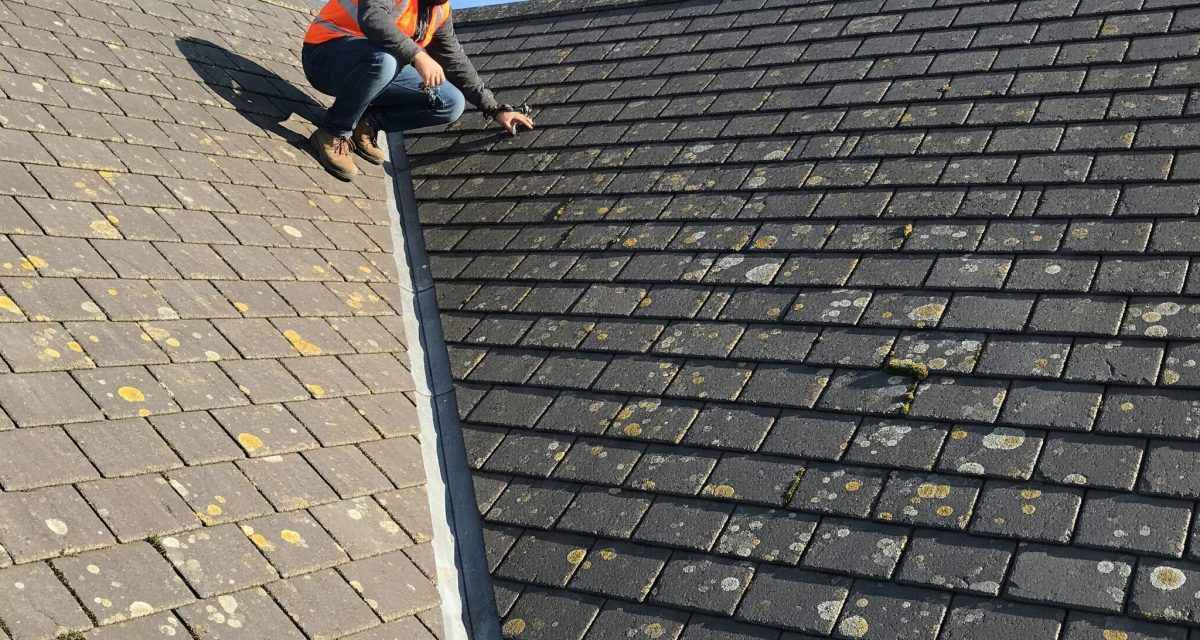
A professional roof inspection is one of the most important steps homeowners can take to protect their property, identify developing roofing concerns, and maintain the performance of an existing roofing system. Although a roof may appear structurally sound from the ground, closer examination can reveal worn shingles, deteriorating surface materials, vulnerable roof valleys, and other details that deserve professional attention. The photograph accompanying this article illustrates this process, showing a roofing specialist carefully examining a sloped roof where two sections meet.
At All State Roofing & Chimney, professional roofing care begins with understanding the actual condition of the roof rather than relying on appearance alone. A detailed evaluation helps determine whether maintenance, localized roof repair, leak investigation, or more extensive work may be appropriate. By identifying potential concerns early, homeowners can make informed decisions about their property’s exterior protection and avoid allowing minor issues to develop into more disruptive problems.
Why a Professional Roof Inspection Matters
A roof is a complete protective system made up of multiple components that must work together. Shingles or other exterior roofing materials provide the visible surface, while underlayment, flashing, decking, ventilation, and drainage contribute to the system’s overall performance. If one component deteriorates or fails, the surrounding areas may become more vulnerable to moisture intrusion and weather-related damage.
A professional roof inspection helps evaluate these components and identify areas that may require closer attention. The purpose is not simply to look for missing shingles. It is to understand how the visible roofing materials are performing, where water travels across the roof, and whether any transitions or connections appear compromised.
The roof shown in the photograph contains multiple sloped sections connected by a central valley. This type of configuration requires careful observation because the junction between roof surfaces plays an important role in directing water toward the appropriate drainage areas. A specialist examining this location can assess the visible materials, the condition of the transition, and any signs that may justify further investigation.
Regular evaluations also help homeowners plan maintenance more effectively. Instead of waiting until a ceiling stain appears or water enters the property, they can address visible deterioration before it becomes a more extensive concern.
Examining Shingles for Wear and Deterioration
Shingles form the primary visible barrier against rain, wind, sunlight, and changing temperatures. Their condition can provide valuable information about the age, maintenance requirements, and general performance of a roofing system. During a roof inspection, a professional examines the surface for signs of deterioration that may affect the roof’s ability to shed water.
Potential warning signs include cracked, loose, displaced, curling, or missing shingles. Granule loss on asphalt shingles can also indicate wear, although its significance depends on the roofing material, installation history, and extent of the condition. On other types of roofing surfaces, the inspection must account for their specific construction and maintenance requirements.
The photograph shows a roof with visible surface discoloration and scattered patches of lichen-like growth. These observations do not automatically establish that the roof is leaking or structurally damaged. However, they demonstrate why an experienced professional should evaluate the materials rather than assume that every roof surface is performing equally well.
A careful assessment distinguishes ordinary surface staining from deterioration that may require corrective work. Where shingles are damaged or no longer positioned correctly, a suitable repair may restore protection to the affected area. If deterioration is widespread, the homeowner may need to consider whether a larger repair or roof replacement would provide a more appropriate long-term solution.
The goal is to match the recommended work to the roof’s actual condition, helping avoid unnecessary replacement while ensuring that significant problems are not overlooked.
Understanding the Importance of Roof Valleys
Roof valleys are formed where two sloping roof sections meet. These areas collect and channel water from adjoining surfaces, which means they can experience concentrated runoff during rainfall. Because water movement is especially important at these transitions, valleys deserve particular attention during a professional roof inspection.
The central junction visible in the photograph is a key feature of the roof’s design. The roofing specialist is examining the area beside the valley, where the adjoining roof surfaces and protective transition meet. This type of inspection helps assess whether the visible materials appear properly positioned and whether any signs of damage, separation, or deterioration warrant further evaluation.
Valley protection may involve specialized flashing, underlayment, and roofing materials installed according to the roof’s design and the manufacturer’s requirements. The precise construction varies depending on the roofing system. Correct installation helps manage water flow and reduces the risk of moisture entering vulnerable areas beneath the exterior surface.
Common concerns include damaged materials near the valley, deteriorated sealant where sealant is intended, exposed fasteners, debris accumulation, and evidence of water entering the roof assembly. Not every roof valley uses the same construction method, so repairs must be appropriate for the existing system.
A professional should also consider the condition of adjacent shingles and surrounding drainage paths. Water intrusion does not always originate directly above the location where a stain appears indoors. Moisture can travel along roof components before becoming visible, making a systematic investigation more reliable than a repair based on appearance alone.
Recognizing Moss, Lichen, and Surface Discoloration
Discoloration and biological growth are common reasons homeowners request a closer examination of their roofs. The photograph shows scattered light-colored and yellowish patches across the roofing surface, including areas that resemble lichen. These visible features are worth noting, but their presence alone does not prove that the roof has failed.
Moisture retention, shade, environmental conditions, and the characteristics of the roofing material can influence the development of moss, algae, and lichen. In some situations, persistent growth can retain moisture or contribute to deterioration, particularly when moss lifts roofing materials or interferes with drainage.
A professional evaluation helps determine whether the growth is primarily cosmetic or whether it is associated with conditions that require corrective attention. The appropriate response depends on the material, the extent of growth, and the manufacturer’s recommendations.
Aggressive scraping, high-pressure washing, or the use of unsuitable chemicals can damage roofing surfaces. Homeowners should avoid attempting to clean steep roofs themselves, especially where loose materials or slippery growth create additional hazards. A qualified roofing professional can recommend a suitable maintenance method based on the specific roof.
Surface staining should also be considered alongside other evidence. A discolored area may have an environmental cause, while a relatively clean surface may still contain hidden damage. Combining visual observations with an examination of the roof’s condition produces a more useful assessment than judging performance by color alone.
Checking Flashing and Other Vulnerable Transitions
Flashing is designed to help prevent water from entering where roofing materials meet walls, chimneys, roof penetrations, and other structural features. Depending on the roof design, metal flashing may be installed around valleys, edges, vents, skylights, and other transitions.
During a roof inspection, professionals examine accessible flashing for visible separation, corrosion, distortion, damage, and installation concerns. They also look at nearby roofing materials because a problem in one component can affect the performance of the surrounding assembly.
Although the photograph focuses on a valley between two roof sections rather than a chimney, the same principle of careful transition detailing applies to chimney flashing. The junction between a chimney and a roof must be designed and maintained to manage water effectively. If flashing deteriorates or becomes improperly integrated with adjacent materials, moisture may enter the structure.
A suitable repair depends on the actual cause of the problem. Replacing damaged flashing, correcting improperly installed components, or repairing surrounding roofing materials may be necessary. Applying surface sealant without investigating the underlying issue can provide an incomplete solution when the real concern involves incorrect installation or deteriorated materials.
All State Roofing & Chimney offers roofing and chimney services for homeowners who need professional assistance with these areas. A coordinated evaluation can be particularly useful when a property has several exterior components that may contribute to a moisture problem.
Investigating Roof Leaks Before Interior Damage Spreads
A roof leak can begin with a relatively small defect but create a much larger problem if moisture continues entering the building. Water may affect insulation, timber, drywall, paint, and other interior finishes. Persistent dampness can also contribute to unpleasant odors and conditions that encourage mold growth.
A professional roof inspection helps identify potential entry points and determine whether visible roofing damage may be connected to interior symptoms. Warning signs can include ceiling discoloration, peeling paint, damp attic materials, unexplained moisture, or water appearing near exterior walls after rainfall.
However, the location of an interior stain does not always identify the exact point where water enters the roof. Moisture can move along decking, framing, underlayment, and other building components before reaching an interior surface. A reliable investigation considers the roof layout, weather exposure, penetrations, flashing, and other possible sources.
Homeowners should document visible changes and explain when the symptoms occur. For example, whether moisture appears during heavy rain, after prolonged rainfall, or following strong winds can help the roofing professional investigate the issue. These observations do not replace an inspection, but they provide useful context.
When an active leak is present, prompt attention is important. Temporary protective measures may be appropriate while permanent repairs are arranged, but roof access should be left to trained professionals. Climbing onto a steep or wet surface can expose homeowners to serious injury.
All State Roofing & Chimney provides roof repair and roof leak repair services to help homeowners address roofing concerns and determine the appropriate next steps.
Evaluating Roof Decking and Structural Conditions
The decking beneath the exterior roofing material provides an important base for the roofing system. Depending on the building, it may consist of plywood, oriented strand board, or another suitable structural substrate. If the decking becomes damaged by persistent moisture, deterioration, or other conditions, the roofing materials above it may no longer have the support they require.
A roof inspection can identify visible warning signs such as sagging areas, uneven surfaces, or evidence of moisture around accessible sections. However, some decking problems cannot be confirmed through a visual examination of the exterior alone. Additional investigation may be necessary if the roof’s condition suggests hidden damage.
When roofing materials are removed during a repair or replacement project, the exposed decking can be assessed more directly. Damaged or unsuitable sections may need to be replaced before the new roofing materials are installed. Installing a new surface over an inadequate base can leave the underlying problem unresolved.
Proper preparation is therefore an important part of professional roofing work. It helps establish a suitable foundation for the materials that follow and allows installers to address conditions that would otherwise remain concealed.
Not every roof inspection will reveal a decking problem, and homeowners should not assume that replacement is necessary without supporting evidence. A qualified contractor should explain any findings, describe the affected areas, and clarify why the recommended work is appropriate.
Why Drainage and Water Management Deserve Attention
Effective water management is essential to the performance of a roof. Rainwater must travel across the roofing surface and drain away without becoming trapped around vulnerable transitions. Poor drainage can contribute to prolonged moisture exposure, staining, material deterioration, and leaks.
During a professional roof inspection, the evaluator considers roof valleys, edges, gutters, downspouts, and other parts of the drainage system. Debris can obstruct water movement, while damaged or poorly positioned drainage components may allow water to collect or spill into unintended areas.
Roof valleys deserve special attention because they receive runoff from adjoining slopes. If leaves, branches, or other debris accumulate in these locations, water movement may be restricted. Removing debris carefully and maintaining the drainage system can help reduce avoidable problems.
Gutters also contribute to exterior protection by directing collected water away from the building. When they become blocked or damaged, overflowing water may affect fascia, siding, foundations, or nearby landscaping. Although gutter issues are different from roofing defects, the systems work together to manage rainwater around the property.
Homeowners should consider drainage as part of an overall exterior maintenance plan rather than treating every water-related problem as an isolated roof repair. If the source of a concern is unclear, professional assessment can help distinguish a roofing defect from a drainage issue or a combination of both.
How Seasonal Weather Affects Roofing Performance
Roofing materials experience continuous exposure to changing environmental conditions. Sunlight, temperature fluctuations, wind, rain, snow, and ice can affect the performance of roofing components over time. The degree of impact depends on the material, installation quality, roof design, and local exposure.
Strong winds may loosen or displace shingles. Heavy rainfall can reveal weaknesses in flashing and other transitions. Freeze-thaw cycles may affect already deteriorated materials, while repeated temperature changes can place stress on certain joints and sealants.
A roof inspection after severe weather can help identify visible damage before it creates additional problems. Homeowners should look for signs from the ground, such as displaced roofing materials, debris on the roof, damaged gutters, or new water stains inside the property. They should not climb onto the roof to investigate these conditions themselves.
Seasonal maintenance is also useful even when no obvious damage has occurred. Keeping drainage paths clear, checking accessible attic areas for signs of moisture, and arranging professional evaluations when concerns arise can help homeowners stay informed about their roof’s condition.
The appropriate inspection schedule depends on the property’s circumstances. Older roofs, roofs with a history of leaks, and systems exposed to severe weather may require closer monitoring than roofs in good condition with no known issues.
Roof Repair or Roof Replacement: Making an Informed Decision
One of the most valuable outcomes of a professional roof inspection is a clearer understanding of whether a repair is sufficient or a replacement deserves consideration. The decision should reflect the extent of deterioration, the condition of the underlying structure, the roof’s age, and the likelihood of recurring problems.
A localized repair may be appropriate when the damage is limited and the surrounding roofing system remains serviceable. Replacing a small number of damaged shingles or correcting a specific flashing problem can address a clearly defined defect without requiring a complete roofing project.
A broader solution may be necessary when deterioration affects extensive areas, recurring leaks indicate systemic problems, or the roofing materials have reached the end of their useful service life. If the decking or other underlying components are also damaged, those conditions must be considered in the project plan.
The lowest initial price is not always the most practical choice if a repair fails to address the actual cause of the problem. At the same time, recommending a complete replacement without adequate evidence can create unnecessary expense. A professional evaluation should explain the condition found, the work proposed, and the reasons for the recommendation.
All State Roofing & Chimney provides roof repair, roof replacement, and emergency roofing services. Homeowners can discuss the available options with the company and request an estimate based on their property’s needs.
The Value of Professional Workmanship and Safety
The photograph illustrates an important aspect of roofing work: the specialist is examining the surface closely rather than relying on a distant view. This attention to detail can help identify concerns that may be difficult to notice from the ground.
Roofing inspection and repair require appropriate training, equipment, and safety procedures. Sloped surfaces, loose materials, accumulated growth, and changing weather conditions can make roof access hazardous. Professional roofers should use suitable fall-protection measures and follow safe work practices appropriate to the project.
Workmanship also matters because the long-term performance of a roof depends on how its components are installed and connected. Even quality materials can perform poorly if they are incorrectly fastened, improperly aligned, or inadequately integrated with flashing and underlayment.
Homeowners should expect clear communication about the observed conditions, the proposed scope of work, the materials involved, and any limitations affecting the assessment. Photographs of relevant areas can help explain findings, particularly when a defect is not visible from the ground.
Independent educational resources can also help homeowners understand roofing maintenance. The National Roofing Contractors Association provides roofing industry information, while GAF’s homeowner resources offer guidance on roofing materials and roof-related decisions. These resources complement, but do not replace, an inspection of an individual property.
A Practical Approach to Ongoing Roof Maintenance
Roof maintenance is most effective when it is based on the roof’s actual condition and the needs of the property. A professional inspection can establish a useful starting point, identify visible concerns, and help prioritize any necessary work.
Homeowners can support this process by keeping records of repairs, noting when leaks occur, and arranging an evaluation when new damage becomes apparent. Maintaining gutters and drainage paths, observing the roof from a safe location, and addressing storm-related concerns promptly can also help reduce avoidable deterioration.
It is important not to confuse routine observation with a complete technical assessment. A roof may appear acceptable from the ground while developing a problem around a valley, flashing detail, or concealed component. Conversely, surface discoloration may appear concerning without indicating a defect that requires major work. Professional judgment helps distinguish between these situations.
A maintenance plan should also consider the relationship between roofing and other exterior systems. Chimneys, gutters, siding, and roof penetrations can all influence how water is managed around the building. When several components are involved, a coordinated assessment may help identify the source of a concern more efficiently.
The objective is straightforward: preserve the roof’s protective function, address defects before they worsen, and make informed decisions about repairs or replacement. Consistent attention to these priorities can support the roof’s service life and help homeowners plan expenses more effectively.
Protect Your Home with All State Roofing & Chimney
The roof shown in the photograph demonstrates why close attention to roofing materials and transitions is an important part of property maintenance. Shingle condition, surface growth, valley construction, flashing, and drainage all deserve consideration when evaluating the performance of a sloped roof.
A professional roof inspection provides an opportunity to identify visible warning signs, investigate possible leaks, and understand which maintenance or repair measures may be appropriate. Rather than making assumptions based on appearance alone, homeowners can use a qualified evaluation to make decisions supported by the condition of the roofing system.
All State Roofing & Chimney offers professional roofing solutions, including roof inspections, roof repair, roof leak repair, roof replacement, emergency roofing, and chimney services. Whether a property needs attention to a localized defect or a more comprehensive assessment, the first step is understanding the condition of the existing system.
For roofing assistance or to discuss your property’s needs, contact All State Roofing & Chimney at (862) 295-7864 or request an appointment through the company’s free estimate page.
A dependable roof begins with careful evaluation, appropriate repairs, and attention to the details that protect the building. With professional guidance and consistent maintenance, homeowners can take practical steps toward preserving their property’s condition, improving roofing reliability, and managing potential problems before they become more extensive.