
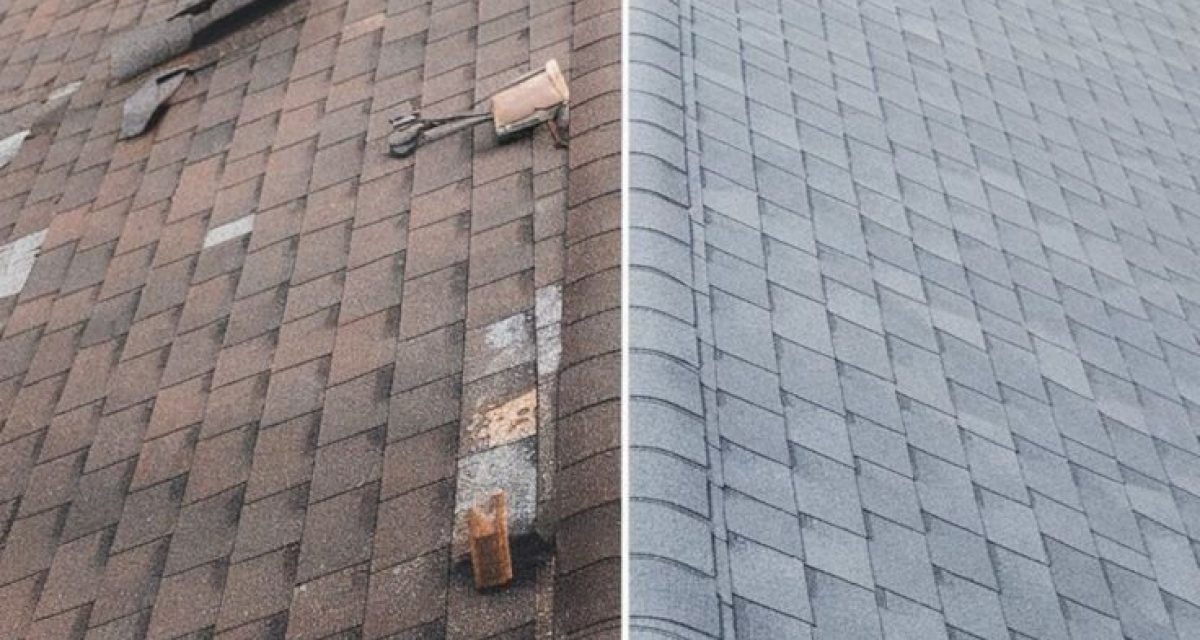
Roof replacement NJ homeowners can rely on starts with one honest look at the roof above your head. The photograph that inspired this guide says it all. On the left, aged brown shingles show missing pieces, staining and loose debris. On the right, a clean, uniform surface of new gray architectural shingles finishes in crisp ridge caps.
That contrast is what a well-planned replacement delivers. At All State Roof Repair and Replacement, we believe every property owner deserves clear information before spending a dollar. This article explains the warning signs, materials, costs and process behind a successful project, so you can decide with confidence.
Table of Contents
- What This Before-and-After Photo Teaches Us
- 7 Warning Signs You Need Roof Replacement NJ
- Repair or Replacement: How to Decide
- Choosing Materials for Roof Replacement NJ
- Understanding Roof Replacement NJ Costs
- The Step-by-Step Roof Replacement NJ Process
- Chimney, Flashing and Ventilation
- Timing Your Project Around New Jersey Weather
- How to Choose a Roof Replacement NJ Contractor
- Protecting Your New Roof
- Frequently Asked Questions
- Final Thoughts
What Roof Replacement NJ Homeowners Can Learn From This Before-and-After Photo
Look closely at the left side of the image. The shingles have faded from a rich brown to a dull, uneven tone. Several tabs are missing or curling, exposing dark patches beneath. Pale streaks suggest granule loss and surface staining. Loose materials rest on the slope where damage was being inspected.
Each of these details signals a roof that no longer sheds water reliably.
Now look at the right side. The new shingles lie flat in straight, even courses. The color is consistent, the ridge line is tight, and nothing interrupts the surface. This is the visual proof of quality roof replacement NJ properties need: a complete system that protects the home, not a patch that hides a problem.
The change is also practical. A new roof restores curb appeal, strengthens weather resistance and brings a fresh warranty period.
7 Warning Signs That Call for Roof Replacement NJ Properties Cannot Ignore
Roofs rarely fail overnight. They send signals for months or years. Learning to read them helps you plan roof replacement NJ projects on your schedule rather than during an emergency.
1. Missing, Cracked or Curling Shingles
Wind, hail and age pull shingles loose. When several are missing or curling on one slope, water finds its way beneath the surface. Widespread loss usually points toward replacement rather than spot repairs.
2. Heavy Granule Loss
Granules shield asphalt from ultraviolet light. Bald patches on the roof, or piles of grit in your gutters, mean the shingles are drying out and will crack sooner.
3. A Roof Past Its Expected Lifespan
Most asphalt shingle roofs serve roughly 15 to 25 years, depending on quality, installation and ventilation. A roof near that range deserves a professional inspection.
4. Interior Leaks and Ceiling Stains
Brown ceiling spots, peeling paint or damp attic insulation reveal moisture entering the structure. Repeated leaks suggest the system is failing, not just one flashing detail.
5. Sagging or Soft Areas
A dipping roof line may signal saturated decking. This is urgent, because structural repairs grow expensive quickly once the wood underneath is compromised.
6. Moss, Algae and Staining
Moss holds moisture against shingles and lifts their edges. Dark streaks are often cosmetic, but combined with other signs they confirm that roof replacement NJ homeowners have been postponing is now due.
7. Rising Energy Bills
A worn roof and poor ventilation let heat escape in winter and build up in summer. Your heating and cooling equipment then works harder than it should.
Repair or Roof Replacement NJ: How to Decide
Not every problem demands a new roof. A single storm-damaged corner, a cracked pipe boot or a small flashing leak can often be fixed quickly and affordably. Repairs make sense when the roof is relatively young and the damage is isolated.
Replacement becomes the smarter investment when damage is widespread, when leaks keep returning, or when the roof is near the end of its service life. Paying for repeated patches on an aging roof often costs more over time than a single, well-executed replacement.
A professional inspection settles the question. A qualified roofer will examine the shingles, flashing, decking, attic and ventilation, then explain what they found with photos. If you want an assessment, our team at All State Roof Repair and Replacement is available for consultation and can walk you through the options honestly.
Choosing Materials for Roof Replacement NJ Projects
Material choice shapes appearance, durability and long-term value. The photo shows architectural asphalt shingles, which are the most popular choice across the state.
Architectural asphalt shingles offer a dimensional look, strong wind resistance and a wide range of colors. The Asphalt Roofing Manufacturers Association (ARMA) provides helpful general information about this category.
Impact-resistant shingles use reinforced construction to withstand hail and debris. Some insurers recognize them with premium considerations, so ask your provider.
Metal roofing is long-lasting, lightweight and sheds snow well, though the upfront investment is higher.
Composite and slate-style products deliver a premium appearance with strong durability for homeowners who want a distinctive finish.
Beyond the visible surface, a complete roof replacement NJ project includes underlayment, ice and water barrier at vulnerable edges, new flashing, proper ventilation and quality fasteners. These hidden layers decide how the roof performs in year fifteen, not just year one.
Understanding Roof Replacement NJ Costs
Pricing varies from one home to another, so be cautious of any quote offered without an inspection. Several factors influence the final figure:
- Roof size, pitch and complexity, including valleys, dormers and skylights
- Material selection and manufacturer warranty level
- Condition of the decking and the need for plank or plywood replacement
- Number of layers being removed
- Chimney, flashing and ventilation upgrades
- Access, disposal and local permit requirements
Always request a written estimate that itemizes materials, labor, disposal and warranty terms. Comparing detailed proposals is far more reliable than comparing one total number.
Consider value, too. A properly installed roof protects insulation, framing and interior finishes. The U.S. Department of Energy offers useful guidance on roofing and energy efficiency that can help you weigh long-term savings. Remember that the lowest bid is not always the lowest cost once corners are cut.
The Step-by-Step Roof Replacement NJ Process
Understanding the workflow removes much of the stress. A professional roof replacement NJ project typically follows these stages.
- Inspection and estimate. The contractor assesses the roof, documents problems and prepares a written proposal.
- Material selection. You choose shingle type, color and any upgrades.
- Permits and scheduling. Required local approvals are arranged and a start date is confirmed.
- Protection and tear-off. Landscaping and siding are protected, then old shingles and underlayment are removed down to the decking.
- Decking repair. Damaged or soft boards are replaced so the new roof has a solid base.
- Installation. Underlayment, ice and water barrier, flashing, shingles, ridge caps and ventilation are installed to manufacturer specifications.
- Cleanup and final inspection. Magnets sweep the property for nails, debris is hauled away and the finished work is reviewed with you.
Many homes are completed within a few days, depending on size and weather. The finished result should look like the right side of our photo: straight lines, tight ridges and a clean, even surface.
Chimney, Flashing and Ventilation in Roof Replacement NJ Projects
Some of the most common leaks do not come from shingles at all. They begin where the roof meets something else, such as a chimney, skylight, vent pipe or wall.
Flashing is the metal barrier that directs water away from these joints. During roof replacement NJ crews should inspect and typically renew flashing rather than reusing old, corroded pieces. Chimney crowns, caps and masonry deserve attention as well, because cracks there allow water to reach the roof structure.
Ventilation matters just as much. Balanced intake and exhaust airflow keep attic temperatures stable, reduce moisture and help prevent premature shingle aging and winter ice dams. Ask your contractor to explain how the new ventilation system will be configured.
Because our company handles both roofing and chimney work, we can evaluate these connected components together instead of treating them as separate problems.
Timing Your Roof Replacement NJ Project Around New Jersey Weather
New Jersey’s climate tests roofs in every season. Nor’easters bring heavy rain and wind, humid summers encourage algae growth, and freeze-thaw cycles in winter stress every seam and fastener.
Spring and fall are traditionally popular because moderate temperatures help shingles seal properly. However, a leaking or storm-damaged roof should not wait for ideal weather. Reputable contractors can protect your home with temporary measures and schedule replacement as soon as conditions allow.
Planning ahead has benefits. Booking before peak season often gives you more scheduling flexibility, more time to compare materials and less pressure to decide quickly.
How to Choose a Contractor for Roof Replacement NJ
The quality of installation matters as much as the quality of the shingles. Use these checkpoints when comparing companies:
- Verify registration. New Jersey requires home improvement contractors to be registered. The NJ Division of Consumer Affairs offers lookup resources.
- Ask for insurance documentation. Request proof of liability and workers’ compensation coverage.
- Review the warranty. Understand both the manufacturer’s coverage and the contractor’s workmanship terms.
- Read recent reviews and ask for references. Consistent feedback reveals how a company communicates and finishes projects.
- Expect clear written proposals. Vague scopes lead to disputes later.
- Look for industry knowledge. Resources from the National Roofing Contractors Association set a useful benchmark for best practices.
Finally, trust your instincts. A good contractor answers questions patiently, explains trade-offs and never pressures you. You can learn more about our approach and services on our homepage.
Protecting Your New Roof After Replacement
A new roof performs best with modest, regular care. Clear gutters at least twice a year so water does not back up under the edge. Trim overhanging branches to limit debris and abrasion. Inspect the roof after major storms, and schedule a professional check every few years.
Keep your warranty paperwork, project photos and invoices together. They simplify any future claim and add value if you ever sell the property.
Finally, address small issues quickly. A lifted shingle or a loose flashing corner is inexpensive to fix today and costly to ignore for another winter.
Frequently Asked Questions About Roof Replacement NJ
How long does roof replacement NJ homeowners need take?
Most residential projects finish in a few days, though large or complex roofs and poor weather can extend that timeline.
Can I stay in my home during the work?
Yes. Expect noise and some vibration, and plan for pets and children accordingly.
Will new shingles be installed over the old ones?
Local codes and roof condition determine this. A complete tear-off is generally preferred because it reveals hidden damage and allows proper decking inspection.
Does insurance cover roof replacement?
Coverage depends on your policy and the cause of damage. Sudden storm damage is treated differently from age-related wear, so review your policy and document everything with photos.
Final Thoughts on Roof Replacement NJ
The before-and-after photo captures what every homeowner hopes for: a worn, vulnerable roof transformed into a clean, durable shield. Reaching that result takes honest inspection, quality materials, careful installation and a contractor who communicates clearly.If your roof shows any of the warning signs above, do not wait for a leak to force the decision. Contact All State Roof Repair and Replacement at +1 862-295-7864 or visit allstateroofingandchimneynj.com to discuss your roof replacement NJ project and take the first step toward lasting protection.