
Asphalt Shingle Roofing in New Jersey: 7 Essential Warning Signs You Shouldn’t Ignore
If you’ve ever walked out to your driveway after a windy New Jersey night and found a shingle or two lying in the grass, you already know how quietly a roof can start failing. Asphalt shingle roofing is the most common roofing system on homes across Bergen, Passaic, Hudson, Essex, and the surrounding counties — and for good reason. It’s affordable, durable, and handles the freeze-thaw cycles of a New Jersey winter better than almost any other material. But even the best asphalt shingle roof has a lifespan, and knowing when yours is approaching the end of it can save you thousands of dollars in water damage, mold remediation, and emergency repairs.
In this guide, we’ll walk through what asphalt shingle roofing actually is, the seven warning signs that tell you it’s time to call a professional, how long you can expect your roof to last in New Jersey’s climate, what a replacement typically costs, and how to choose a contractor you can actually trust with the job.
Table of Contents
- What Is Asphalt Shingle Roofing?
- 7 Warning Signs Your Asphalt Shingle Roofing Needs Attention
- How Long Does Asphalt Shingle Roofing Last in New Jersey?
- The Cost of Asphalt Shingle Roofing Installation
- Asphalt Shingle Roofing vs. Other Roofing Materials
- Why Roof Ventilation Matters
- Choosing the Right Contractor
- Maintenance Tips to Extend Roof Life
- Frequently Asked Questions
What Is Asphalt Shingle Roofing?
Asphalt shingle roofing is a layered roofing system built from a fiberglass or organic mat, saturated with asphalt, and topped with mineral granules that protect the shingle from UV rays and give it its color and texture. It’s installed in overlapping rows, starting at the eaves and working up to the ridge, so that water is continuously shed downward no matter how hard it rains.
Homeowners across New Jersey favor asphalt shingle roofing for three practical reasons:
- Cost-effectiveness — it delivers the best balance of price and performance of any roofing material on the market.
- Versatility — it comes in dozens of colors and styles, from traditional three-tab shingles to dimensional architectural shingles that mimic the look of slate or wood shake.
- Proven performance — modern shingles are engineered to withstand high winds, hail, and the humid summers that are typical of the Northeast.
Why Homeowners Choose Asphalt Shingle Roofing Over Alternatives
Compared to slate, metal, or tile, an asphalt shingle roof is significantly less expensive to install and repair, which matters when a single section of your roof gets damaged by a storm. It’s also lighter, meaning most homes don’t require any structural reinforcement before installation — something that can’t always be said for heavier materials like slate.
7 Warning Signs Your Asphalt Shingle Roofing Needs Attention
A roof rarely fails all at once. It sends signals first. Here’s what to look for.
1. Curling or Cupping Shingles
When shingles start to curl at the edges or cup in the middle, it usually means the asphalt has dried out and lost its flexibility. This is one of the clearest signs that your asphalt shingle roofing is nearing the end of its useful life, especially if it’s happening across large sections rather than just one spot.
2. Missing or Cracked Shingles
High winds — which New Jersey sees plenty of during nor’easters and summer thunderstorms — can lift or crack shingles. Even a single missing shingle exposes the underlayment beneath it to water, so this isn’t something to wait on.
3. Granule Loss in Gutters
Those small, sand-like granules protect the asphalt layer from sun damage. If you’re finding a buildup of granules in your gutters, especially after a heavy rain, your shingles are shedding their protective layer faster than normal.
4. Visible Daylight in the Attic
Head up to your attic on a sunny day. If you see pinpricks of daylight coming through the roof boards, water can get through just as easily. This is one of the more urgent signs and usually points to gaps that need immediate attention.
5. Water Stains on Ceilings or Walls
Brown, ring-shaped stains on an interior ceiling almost always trace back to a roof leak, even if the leak point isn’t directly above the stain — water tends to travel along rafters before dripping down.
6. A Sagging Roofline
Stand across the street and look at your roofline. Any dip or sag is a structural concern, often caused by prolonged moisture exposure to the decking underneath your shingles, and it warrants an inspection right away.
7. Your Roof Is Simply Getting Old
Sometimes there’s no dramatic sign at all — the roof is just old. If your asphalt shingle roofing is approaching the 20-year mark, it’s worth scheduling a professional inspection even if nothing looks obviously wrong, so you can plan a replacement on your timeline rather than during an emergency.
How Long Does Asphalt Shingle Roofing Last in New Jersey?
In a typical New Jersey climate — with humid summers, cold winters, and everything in between — a well-installed asphalt shingle roof lasts between 20 and 30 years. Where you land in that range depends on a few factors:
- Shingle quality — three-tab shingles sit at the lower end of the range, while architectural or laminated shingles often last longer.
- Installation quality — a roof installed with proper flashing, underlayment, and ventilation will consistently outlast one that wasn’t.
- Attic ventilation — poor airflow traps heat and moisture, which accelerates shingle deterioration from underneath.
- Storm exposure — homes closer to the coast or in more exposed locations tend to see more wind and hail damage over time.
Routine inspections — ideally once a year and after any major storm — are the single best way to catch small issues before they shorten your roof’s lifespan.
The Cost of Asphalt Shingle Roofing Installation
Cost is usually the first question homeowners ask, and it’s a fair one. On average, homeowners across New Jersey pay somewhere between $5,000 and $15,000 for a full roof replacement, though the exact number depends on:
- Roof size — measured in “squares” (100 square feet per square), larger roofs naturally cost more.
- Pitch and complexity — steep roofs, multiple valleys, and dormers all add labor time.
- Shingle grade — standard three-tab shingles cost less upfront than premium architectural shingles, though the latter often come with longer warranties.
- Tear-off requirements — removing and disposing of an old roof adds to the total versus installing over existing shingles (which isn’t always recommended, since it can hide underlying damage).
- Underlayment and flashing — proper materials here protect against ice dams and leaks and are not a place to cut corners, even though they add to the quote.
The best way to get an accurate number is a free, in-house estimate rather than a rough phone quote, since so much depends on what’s actually happening on your specific roof.
Asphalt Shingle Roofing vs. Other Roofing Materials
It’s worth understanding how asphalt shingle roofing compares to the other main options homeowners in New Jersey consider:
| Material | Typical Lifespan | Relative Cost | Best For |
|---|---|---|---|
| Asphalt Shingles | 20–30 years | $ | Most homes, best value |
| Metal Roofing | 40–70 years | $$$ | Long-term investment, energy efficiency |
| Slate Roofing | 50+ years | $$$$ | Historic homes, premium curb appeal |
| Flat/Membrane Roofing | 15–30 years | $$ | Additions, commercial buildings |
For the majority of single-family homes, asphalt shingle roofing remains the practical choice — it’s the only material on this list that pairs a long, proven lifespan with a price point most homeowners can plan for without financing a major renovation.
Why Roof Ventilation Matters for Asphalt Shingle Roofing
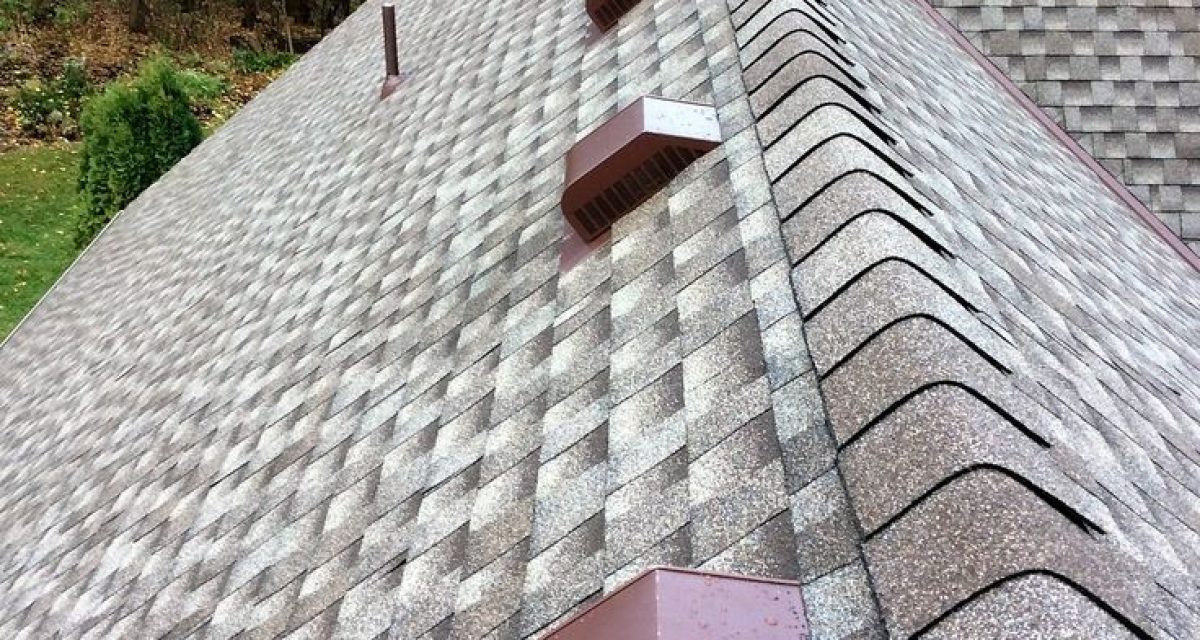
Take a look at the photo at the top of this post. Those brown vent boxes running along the ridge and slope of the roof aren’t decorative — they’re doing real work. Proper attic ventilation pulls hot, moist air out from underneath the shingles year-round. Without it, trapped heat in summer can bake shingles from below, and trapped moisture in winter can contribute to ice dams along the eaves.
A correctly vented asphalt shingle roof:
- Reduces attic temperatures, which lowers cooling costs in summer.
- Prevents moisture buildup that leads to mold and rot in the decking.
- Helps prevent the formation of ice dams during New Jersey winters.
- Extends the overall lifespan of the shingles themselves.
According to GAF, one of the country’s largest shingle manufacturers, balanced intake and exhaust ventilation is one of the most overlooked factors in how long a roof actually lasts — a detail that’s easy to miss if you’re only comparing shingle brands and colors.
Choosing the Right Contractor for Asphalt Shingle Roofing in New Jersey
Not every roofing job is created equal, and the contractor you choose matters as much as the shingles themselves. Before signing anything, it’s worth confirming a few basics:
- Licensing and insurance. A licensed, insured contractor protects you from liability if something goes wrong on the job.
- Manufacturer certification. Certifications like GAF Master Elite (which All State Roofing & Chimney holds) typically mean access to better warranty coverage for the homeowner.
- Local experience. A contractor familiar with New Jersey’s building codes and weather patterns will know how to detail flashing, ventilation, and ice-and-water shield correctly for this specific climate.
- Written estimates. A reputable company will walk your roof and give you a detailed, written quote — not a number over the phone.
According to the National Roofing Contractors Association, homeowners should always verify a contractor’s license and request references before committing to a full roof replacement — a step that takes an afternoon but can save a homeowner from a costly, poorly executed job.
If you’re weighing your options, our guide on how to choose the right roofing contractor in New Jersey goes into more detail on the specific questions to ask before hiring anyone.
Maintenance Tips to Extend the Life of Your Asphalt Shingle Roof
A little routine maintenance goes a long way toward getting the full 20-30 years out of your roof:
- Clean your gutters at least twice a year so water can drain properly instead of backing up under the shingles.
- Trim overhanging branches that can scrape shingles or drop debris during storms.
- Schedule an annual inspection, ideally in spring after winter storms and again in fall before the cold sets in.
- Address small repairs immediately — a single loose shingle is a quick, inexpensive fix; a roof deck rotted from months of hidden water intrusion is not.
- Check attic ventilation periodically to make sure vents aren’t blocked by insulation or debris.
Frequently Asked Questions About Asphalt Shingle Roofing
Can you install new shingles over an existing asphalt roof?
Technically yes, but it isn’t always recommended. Layering shingles adds weight and can trap moisture against the old layer, hiding damage that should be addressed during a full tear-off.
How do I know if I need a repair or a full replacement?
Isolated damage — a few missing shingles, a small leak around a vent pipe — is usually a repair. Widespread curling, granule loss, or a roof past 20 years old typically points toward replacement being the more cost-effective long-term choice.
Does homeowners insurance cover asphalt shingle roof replacement?
Often, yes, if the damage was caused by a covered event like a storm or fallen tree — though coverage for age-related wear varies by policy, so it’s worth checking your specific terms.
What’s the best time of year to replace an asphalt shingle roof in New Jersey?
Late spring through early fall offers the most consistent weather for installation, though reputable contractors work through most of the year as conditions allow.
Get a Free Asphalt Shingle Roofing Estimate Today
Whether your roof is showing one warning sign or several, catching the problem early is always less expensive than waiting for a leak to become a ceiling repair. All State Roofing & Chimney has been installing and repairing asphalt shingle roofing across Bergen, Passaic, Hudson, Essex, Morris, and the surrounding New Jersey counties, and every estimate comes free with no obligation.
Explore our roof replacement services or roof leak repair pages to learn more, or request your free in-house estimate today and save up to 40% on your next roofing project.
📞 Call Ted directly at (862) 295-7864 or reach out at info@allstateroofingandchimneynj.com.