
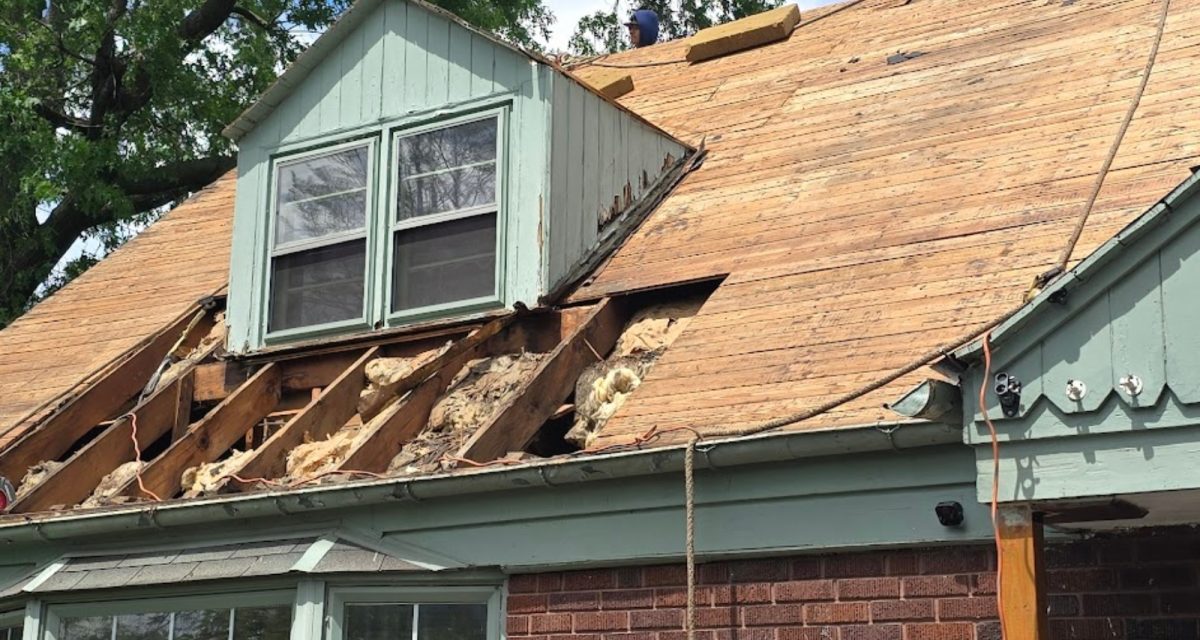
Every roof tells a story, and the project shown below tells an important one. Once the old shingles were stripped away, the condition of the decking, the framing and the dormer trim became visible to everyone on site. Problems that stayed hidden for years suddenly had nowhere to hide.
That moment is exactly why preventive roof maintenance matters so much for New Jersey homeowners. A roof rarely fails overnight. It declines slowly, one missed inspection and one ignored stain at a time.
At All State Roof Repair and Replacement, we see the difference between homes that receive regular care and homes that wait for a leak. The first group spends modestly and predictably. The second group often faces open framing, saturated insulation and rushed decisions.
In this guide, we explain how preventive roof maintenance works, what to inspect, when to schedule it, and how it protects your home, your budget and your family. Whether you own a colonial with dormers, a brick cape or a multi-family property, these principles apply.
Table of Contents
- Why Preventive Roof Maintenance Matters in New Jersey
- What the Photo Reveals About Preventive Roof Maintenance
- 7 Proven Preventive Roof Maintenance Tips for NJ Homeowners
- A Seasonal Preventive Roof Maintenance Calendar
- Chimney and Dormer Care as Part of Preventive Roof Maintenance
- Preventive Roof Maintenance vs. Emergency Repair: The True Cost
- How to Choose a Roofer for Preventive Roof Maintenance
- Frequently Asked Questions
- Protect Your Home With Preventive Roof Maintenance Today
Why Preventive Roof Maintenance Matters in New Jersey
New Jersey is demanding on roofing systems. Winters bring snow, ice and repeated freeze-thaw cycles. Spring and fall deliver heavy rain and nor’easters. Summers add humidity, intense sun and sudden thunderstorms.
Each of these conditions stresses shingles, flashing, sealants and wood components in a different way. Over time, the combined effect is significant.
Preventive roof maintenance is the practice of inspecting, cleaning and repairing a roof on a regular schedule, before minor wear becomes a leak. It is a planned routine, not a reaction to an emergency.
The benefits are practical and measurable:
- Longer roof life. Small repairs prevent the chain reaction that shortens a roof’s service life.
- Lower repair costs. Replacing a few shingles or resealing flashing costs far less than replacing rotted decking.
- Protected insulation and interiors. Dry insulation performs properly, and ceilings and walls stay intact.
- Better energy efficiency. A sealed, ventilated roof helps keep heating and cooling bills under control.
- Preserved warranties. Many manufacturers expect documented upkeep.
Simply put, preventive roof maintenance turns an unpredictable expense into a manageable one.
What the Photo Reveals About Preventive Roof Maintenance
The image above was taken during an active roof replacement. The old roofing has been removed, leaving the plank decking visible across the main slope. A section near the eave has also been opened, exposing the rafters and the fiberglass insulation underneath.
A roof in this condition teaches several lessons. Each one connects directly to preventive roof maintenance.
Hidden Damage Around the Dormer
Look closely at the dormer. The painted trim and side wall show visible aging, with peeling finish and weathered edges along the joint where the dormer meets the roof slope.
This junction is one of the most vulnerable areas on any home. Water that enters here travels along framing and soaks into wood for months before a stain appears inside.
Regular preventive roof maintenance includes close inspection of every dormer, valley and wall intersection. Catching a failing seal early can save the surrounding structure.
The Eave and Insulation Zone
The opened area above the gutter shows exposed rafters and compressed insulation. This is where ice dams, clogged gutters and poor ventilation do their quiet damage.
When water backs up at the eave, it can saturate decking and insulation. Wet insulation loses its effectiveness and can encourage mold and rot.
This is why preventive roof maintenance always includes gutters, drip edges and attic ventilation, not only the shingles you can see from the street.
Safety and Professional Access
The safety rope in the photo is a reminder that roof work carries real risk. Inspections and repairs should be handled by trained crews using proper fall protection. The Occupational Safety and Health Administration publishes clear guidance on preventing falls, and any reputable contractor follows it.
7 Proven Preventive Roof Maintenance Tips for NJ Homeowners
The following seven practices form the foundation of an effective plan. Together, they address the most common causes of premature roof failure in our region.
1. Schedule Two Professional Inspections Each Year
The most valuable step in preventive roof maintenance is a professional inspection in spring and fall. Spring checks reveal winter damage. Fall checks prepare the roof for snow and ice.
A trained inspector looks at shingle condition, flashing, sealants, penetrations, gutters and the roof’s overall drainage. Add an inspection after any major storm as well.
2. Keep Gutters and Downspouts Clear
Clogged gutters are a leading cause of eave damage. Leaves and debris trap water, which then spills back under the shingles or freezes into ice dams.
Clean gutters at least twice a year, more often if mature trees surround your home. Confirm that downspouts carry water well away from the foundation. This simple habit supports every other part of preventive roof maintenance.
3. Trim Overhanging Branches
Branches scrape shingles during wind, drop debris and keep sections of the roof damp. Damp surfaces encourage moss and algae growth.
Trim limbs so they sit several feet clear of the roof. This also reduces the risk of storm damage from falling branches.
4. Inspect Flashing and Sealants
Flashing protects chimneys, dormers, skylights, vents and valleys. It is also where most leaks begin.
Sealants dry out and crack with age. Metal can lift or corrode. A careful review of every flashed detail is central to preventive roof maintenance, and resealing is inexpensive compared with the damage a leak can cause.
5. Check the Attic for Moisture and Ventilation
The underside of the roof reveals problems the surface hides. Look for dark stains on the decking, damp insulation, daylight where it should not appear, or a musty smell.
Proper intake and exhaust ventilation keep the attic dry and reduce heat buildup. The U.S. Department of Energy offers useful guidance on home energy efficiency that includes attic and insulation basics.
6. Remove Debris, Moss and Algae Carefully
Leaves, pine needles and moss hold moisture against the roof surface. Over time, this accelerates shingle deterioration.
Use gentle methods. Pressure washing can strip protective granules and void warranties. A professional crew knows how to clean a roof without harming it, which keeps your preventive roof maintenance effective rather than harmful.
7. Document and Repair Small Problems Promptly
Keep a simple record of inspections, photos and repairs. This history helps with warranty claims and insurance conversations.
More importantly, act quickly. A lifted shingle or a cracked boot costs little to fix today and a great deal to fix after a season of water intrusion.
A Seasonal Preventive Roof Maintenance Calendar
A predictable schedule makes preventive roof maintenance easy to follow. Use this simple calendar as a starting point.
Spring. Inspect for winter damage such as lifted shingles, cracked sealant and ice dam stains. Clean gutters after pollen and seed season.
Summer. Check for heat-related wear, blistering and storm damage. Review attic ventilation while temperatures are highest.
Fall. Clear leaves, trim branches and inspect flashing before winter. This is the most important visit of the year in New Jersey.
Winter. Monitor from the ground after heavy snow. Watch for ice dams, icicles along the eave and interior ceiling stains. Call a professional rather than climbing a frozen roof.
Following this rhythm keeps your preventive roof maintenance consistent and avoids the common mistake of waiting for visible trouble.
Chimney and Dormer Care as Part of Preventive Roof Maintenance
The brick chimney in the photo highlights another area that deserves attention. Chimneys and dormers interrupt the roof plane, and every interruption is a potential entry point for water.
Chimney Inspection Essentials
Masonry absorbs moisture, and New Jersey’s freeze-thaw cycles can crack mortar joints and crowns. Flashing at the base of a chimney must stay tight against both the brick and the roof surface.
A thorough preventive roof maintenance visit examines the chimney cap, crown, mortar, counter-flashing and step flashing. Early tuckpointing or resealing prevents water from reaching the framing below.
Dormer Trim, Siding and Seals
Dormers combine roofing, siding, trim and windows in one small structure. That complexity creates many seams.
Painted wood trim needs periodic refinishing, and any soft or darkened wood should be evaluated promptly. Window frames need sound caulking. Where the dormer wall meets the roof, step flashing must remain intact.
The weathered trim visible in our project photo is a good example. Maintenance would have been far simpler than the repairs required once decay set in.
Preventive Roof Maintenance vs. Emergency Repair: The True Cost
Homeowners often ask whether preventive roof maintenance is worth the expense. The comparison is straightforward.
A routine inspection and minor repair visit is a modest, planned cost. Emergency repair after a leak can involve replacing decking, insulation, drywall and sometimes framing. It may also involve mold remediation and interior repainting.
Timing matters too. Emergency work happens on the schedule of the storm, not yours. Materials, labor and weather all become pressure points.
In the photo, sections of the deck and eave were open to the elements during the replacement. A planned project like this is controlled and protected. An unplanned failure is neither.
There is also the matter of roof lifespan. A well-maintained asphalt shingle roof often reaches or exceeds its expected service life, while a neglected one may need replacement years early. Over the long term, preventive roof maintenance usually costs less than the repairs it avoids.
When a roof has reached the end of its life, replacement is the sensible investment. Our team can explain the difference honestly, without pressure, so you can plan accordingly.
How to Choose a Roofer for Preventive Roof Maintenance
The quality of your preventive roof maintenance depends on the contractor you hire. Look for these qualities.
- Proper registration and insurance. In New Jersey, home improvement contractors must be registered. You can verify credentials through the NJ Division of Consumer Affairs.
- Industry knowledge. Reputable companies follow standards promoted by organizations such as the National Roofing Contractors Association.
- Written reports. A good inspection includes photos and a clear explanation of findings.
- Safety practices. Crews should use fall protection and keep a clean, organized job site.
- Honest recommendations. The best contractors recommend repair when repair is enough.
- Local experience. Familiarity with New Jersey weather and building styles leads to better decisions.
At All State Roof Repair and Replacement, we combine roof repair, replacement and chimney expertise under one team. You can learn more about our roofing and chimney services or reach us directly to schedule an inspection.
Frequently Asked Questions
How often should I schedule preventive roof maintenance?
Most New Jersey homes benefit from two inspections per year, in spring and fall, plus an extra check after severe storms. Older roofs or roofs under heavy tree cover may need more frequent attention.
What does preventive roof maintenance include?
A complete visit covers shingles, flashing, sealants, chimneys, dormers, vents, gutters and attic conditions. It also includes minor repairs, cleaning and a written summary of what was found.
Can I handle preventive roof maintenance myself?
You can safely check gutters from a ladder, inspect from the ground with binoculars and review your attic. Work on the roof surface should be left to trained professionals because of fall risk and the chance of accidental damage.
How do I know if my roof needs repair or replacement?
Widespread curling, missing granules, recurring leaks, sagging areas and soft decking suggest replacement. Isolated damage usually calls for repair. A professional inspection provides a clear answer.
Does preventive roof maintenance protect my warranty?
Many manufacturers and installers require reasonable upkeep. Keeping inspection records and repair invoices gives you documentation if you ever need to file a claim.
Protect Your Home With Preventive Roof Maintenance Today
Your roof works every day, in every season, to protect everything beneath it. The open framing and aging dormer trim in our project photo show what can happen when small issues are left alone.
The good news is that preventive roof maintenance is simple, affordable and effective. Regular inspections, clear gutters, sound flashing and prompt repairs keep your roof performing for decades.
If you are ready to protect your property, All State Roof Repair and Replacement is here to help. Our experienced team serves homeowners across New Jersey with professional roof repair, roof replacement and chimney services.