
Roof replacement NJ homeowners invest in is one of the most important decisions they will ever make about their property. A roof protects everything beneath it, from family and belongings to the structure of the house itself. When it is installed correctly, it can perform quietly for decades. When it is rushed, the problems appear fast.
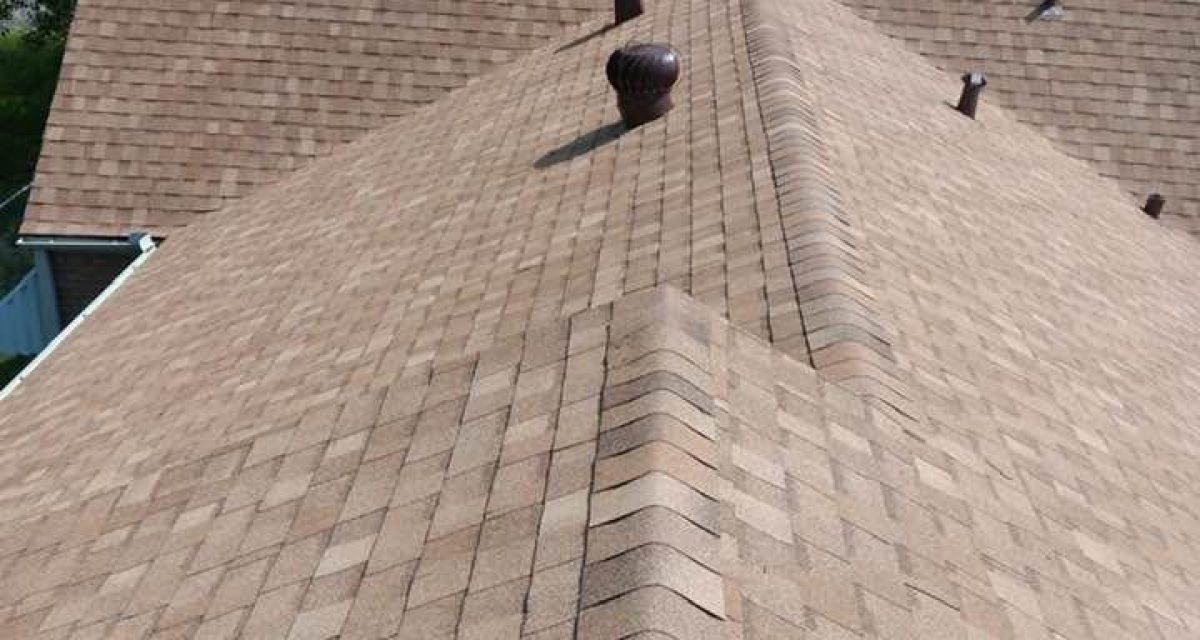
The project shown in the photo above is a good example of quality workmanship. It features a hip roof covered in warm, tan architectural asphalt shingles, with clean ridge caps and several turbine vents. Each of these details reflects careful planning and skilled installation.
At All State Roof Repair and Replacement, we believe informed homeowners make the best decisions. This guide explains seven essential things to understand before starting your project.
Table of Contents
- Signs You Need Roof Replacement in NJ
- Why Asphalt Shingles Remain a Top Choice
- Hip Roof Design and Ridge Cap Details
- Roof Ventilation and Turbine Vents
- The Professional Roof Replacement NJ Process
- How New Jersey Weather and Trees Affect Your Roof
- Choosing the Right Roof Replacement NJ Contractor
Frequently Asked Questions and Final Thoughts follow at the end.
1. Signs You Need Roof Replacement in NJ
Many homeowners wait until a leak appears. By then, hidden damage may already exist in the decking and insulation. Knowing the early warning signs helps you act before repairs become expensive.
Age of the roof. Most asphalt shingle roofs last roughly 20 to 30 years, depending on materials, ventilation and exposure. If yours is approaching that range, schedule an inspection.
Curling, cracking or missing shingles. Shingles that lift at the edges or crack across the surface no longer shed water reliably. Missing pieces expose the underlayment to rain and wind.
Granule loss. Check your gutters for sand-like granules. They shield the shingle from ultraviolet rays, and heavy loss means the roof is wearing out.
Water stains and daylight in the attic. Brown stains on ceilings or visible light in the attic point to openings in the roof system.
Sagging areas. A sagging roofline can indicate moisture-damaged decking and calls for immediate attention.
Rising energy bills. Poor ventilation and worn roofing can make your home harder to heat and cool.
If you notice several of these signs, a professional roof replacement NJ evaluation is the right next step. Sometimes a targeted repair is enough, and an honest contractor will tell you so.
2. Why Asphalt Shingles Remain a Top Choice
The roof in our photo uses architectural asphalt shingles, and for good reason. They remain the most popular residential roofing material across New Jersey.
Durability. Architectural shingles are thicker and heavier than basic three-tab products. Their layered construction resists wind and adds dimension.
Appearance. The blended tan and brown tones in the photo give the roof depth. The color shifts with sunlight, so the roof looks rich rather than flat. This style also complements brick, stone and vinyl siding.
Value. Asphalt shingles offer a strong balance of price, performance and lifespan. For many homeowners, they are the smartest option for roof replacement NJ budgets.
Variety. Manufacturers offer many colors, from charcoal and weathered gray to warm earth tones, so nearly any home can be matched.
Easier repairs. If a section is damaged later, individual shingles can be replaced without redoing the entire roof.
For technical standards and product information, the Asphalt Roofing Manufacturers Association is a respected external resource. The National Roofing Contractors Association also publishes guidance for homeowners.
3. Hip Roof Design and Ridge Cap Details
The roof in the photo is a hip roof, where all sides slope downward toward the walls. Hip roofs are known for stability and strong performance in wind, which matters in our region.
Because a hip roof has several slopes meeting at angles, the ridges and hips need careful work. Those lines are where water, wind and sun are most concentrated.
Ridge caps. The photo shows neatly stacked ridge cap shingles running along the hips and main ridge. Each piece overlaps the one beneath it, creating a weather-tight seal. Uneven or poorly nailed caps are a common source of leaks.
Alignment. Straight courses and consistent exposure show real craftsmanship. A well-installed roof has clean, parallel lines that look good from the street.
Valleys and transitions. Where two slopes meet, flashing and shingle patterns must direct water away safely. Shortcuts here cause trouble later.
Nailing pattern. Correct nail placement and quantity are essential for wind resistance. Too high, too low or too few nails can void a manufacturer’s warranty.
When you evaluate any roof replacement NJ proposal, ask how the contractor handles ridges, hips and valleys. The answer reveals a great deal about their standards.
4. Roof Ventilation and Turbine Vents
Several brown turbine vents appear in the photo, including one close to the camera. Ventilation is often overlooked, yet it directly affects how long a roof lasts.
What turbine vents do. These wind-driven vents spin and pull hot, humid air out of the attic. Fresh air enters through intake vents, usually at the soffits, creating continuous airflow.
Summer benefits. Attics can become extremely hot in July and August. Proper ventilation reduces that heat, which helps protect shingles from premature aging and lowers strain on air conditioning.
Winter benefits. Warm indoor air carries moisture into the attic. Without ventilation, that moisture can condense, leading to mold, rot and damaged insulation. Poor airflow can also contribute to ice dams.
Balanced systems. Good ventilation requires a balance of intake and exhaust. Too many exhaust vents without enough intake can reduce performance.
Color matching. The brown vents in the photo blend with the shingle palette, so function and appearance work together.
During any roof replacement NJ project, ventilation should be evaluated rather than simply reused. Upgrading it can extend the life of your new roof.
For more on this topic, the U.S. Department of Energy provides home energy resources, including guidance on attic and roof performance.
5. The Professional Roof Replacement NJ Process
Understanding the process helps you know what to expect. A quality roof replacement NJ project typically follows these stages.
Step 1: Inspection and estimate. A qualified roofer examines the roof, attic and flashing, then provides a written estimate that explains materials, scope and timeline.
Step 2: Material selection. You choose the shingle style, color and accessories. Samples help you see how colors look in daylight.
Step 3: Preparation. Crews protect landscaping, windows and driveways, and set up safe access.
Step 4: Tear-off. Old shingles and underlayment are removed. This is when the decking is inspected, and damaged boards are replaced.
Step 5: Underlayment and protection. Synthetic underlayment, ice and water barrier in vulnerable areas, and drip edge are installed.
Step 6: Flashing. Chimneys, vents, walls and valleys receive new flashing. Reusing old flashing is a common shortcut that often leads to leaks.
Step 7: Shingle installation. Shingles are laid in straight courses with the correct nailing pattern.
Step 8: Ridge caps and ventilation. Ridge caps and vents are installed, completing the system.
Step 9: Cleanup and inspection. Magnetic sweeps collect stray nails, debris is removed and a final walkthrough confirms quality.
Most residential projects finish in a few days, depending on size, complexity and weather.
6. How New Jersey Weather and Trees Affect Your Roof
The photo shows mature trees surrounding the property. Trees add beauty and shade, but they also affect roofing decisions.
Debris and moisture. Leaves and branches collect in valleys and gutters. Trapped moisture speeds up shingle wear and encourages moss and algae.
Falling limbs. Storms can drop branches onto the roof. Trimming overhanging limbs reduces risk.
Shade. Shaded roofs stay damp longer, so algae-resistant shingles can be a smart choice for wooded lots.
Seasonal extremes. New Jersey brings freezing winters, hot summers, heavy rain, snow and occasional high winds. Roofing materials expand and contract with every temperature swing, so quality installation matters.
Storm preparation. Strong nailing, sealed ridge caps and quality underlayment help a roof withstand severe weather.
Gutters. Clean, properly sloped gutters protect the roof edge and fascia. Gutter maintenance is part of any complete roof replacement NJ plan.
Planning for local conditions is what separates a roof that merely looks good on day one from one that performs for decades.
7. Choosing the Right Roof Replacement NJ Contractor
Your contractor matters as much as the shingles. Two roofs using identical materials can perform very differently depending on who installed them.
Verify licensing and insurance. Confirm that the company carries the required credentials, liability coverage and workers’ compensation.
Compare written estimates. A clear estimate lists materials, labor, flashing, ventilation, cleanup and disposal. Be cautious of vague quotes or prices that seem too low.
Understand the warranties. Ask about manufacturer coverage and the contractor’s workmanship warranty, and get both in writing.
Ask about the process. Professionals explain their approach to decking, flashing, ventilation and cleanup without hesitation.
Check reviews and project photos. A proven record of finished work, like the roof pictured here, shows consistent quality.
Understand cost factors. Price depends on roof size, pitch, complexity, material choice, tear-off layers, decking repairs and ventilation upgrades. A hip roof with multiple slopes requires more labor than a simple gable.
Communication. Responsive scheduling and clear updates make the project smoother.
At All State Roof Repair and Replacement, we focus on honest assessments and careful installation. You can learn more about our approach on our homepage or request a free estimate through our contact page.
Frequently Asked Questions About Roof Replacement NJ
How long does a roof replacement take?
Most homes are completed in two to four days. Large or complex roofs, or poor weather, can extend this.
Can new shingles go over old ones?
Sometimes, but a full tear-off is usually better. It lets the crew inspect the decking and install fresh underlayment and flashing.
When is the best time for roof replacement in NJ?
Spring and fall offer mild temperatures, though quality work can be done in other seasons when weather allows.
Will a new roof increase my home’s value?
A well-installed roof improves curb appeal and gives buyers confidence, which often supports resale value.
Do I need to be home during the project?
No, but you should be reachable. Expect noise, and move vehicles away from the work area.
Final Thoughts on Roof Replacement NJ
A strong roof is built from many details working together: quality shingles, precise ridge caps, balanced ventilation, proper flashing and skilled hands. The project in our photo shows what that combination looks like when done right.
If you are considering roof replacement NJ homeowners can rely on, start with a professional inspection and a clear, written plan. Early action protects your home, your budget and your peace of mind.