
A Closer Look at a Professionally Finished Shingle Roof
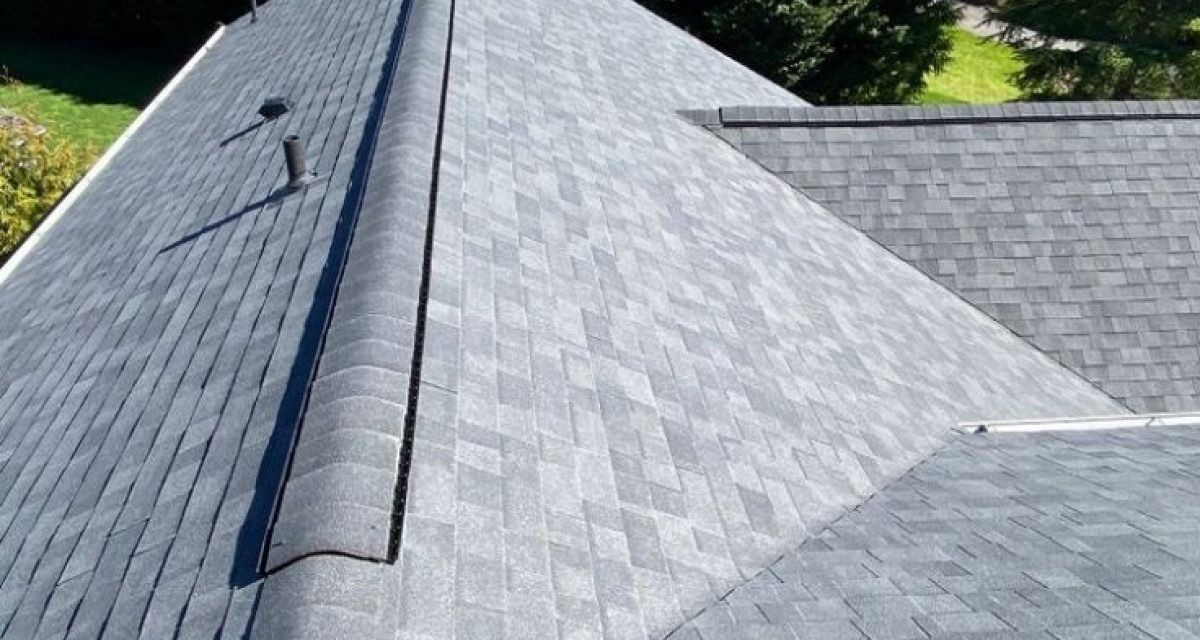
A professionally installed roofing system is one of the most important investments a property owner can make to protect a building, preserve its structural integrity, and maintain its overall appearance. The completed roof shown in this photograph demonstrates the clean, consistent appearance that can be achieved through careful shingle installation, precise ridge finishing, and attention to the connections between different roof sections. Its gray asphalt shingles create a uniform surface, while the clearly defined rooflines contribute to a neat and balanced architectural finish.
For All State Roofing and Chimney, understanding the details behind a finished roofing project means recognizing that an attractive roof must do more than improve a property’s exterior. It must also provide dependable protection against rain, wind, changing temperatures, and other environmental conditions. A successful roof replacement requires careful planning, appropriate materials, proper preparation, and professional installation practices that address both visible details and the components beneath the shingles.
Although the finished surface is the most noticeable part of a roofing project, the performance of the entire system depends on how its individual components work together. Shingles, underlayment, flashing, roof decking, ridge caps, and ventilation elements all contribute to the roof’s ability to protect the structure. Every detail deserves attention because even a small installation problem can create an opportunity for moisture intrusion or premature material deterioration.
Why Roof Replacement Requires Careful Planning
A roof replacement is a substantial property improvement that should begin with an accurate understanding of the existing roofing system. Before new materials are installed, the condition of the current roof must be evaluated to determine whether the project requires a complete replacement, repairs to specific areas, or additional attention to the underlying structure.
Roofing materials naturally experience wear as they are exposed to sunlight, precipitation, temperature fluctuations, and seasonal weather. Over time, shingles may lose protective granules, become brittle, curl at the edges, or develop cracks. Flashing can deteriorate, seals may weaken, and previously repaired areas may begin to show signs of failure. These conditions can reduce the roof’s ability to direct water away from vulnerable areas.
A professional assessment helps identify existing problems before they become more expensive to address. During the planning stage, important considerations include the condition of the shingles, the stability of the roof decking, the effectiveness of the drainage system, the placement of ventilation components, and the condition of transitions around roof openings.
The roof in the photograph illustrates the importance of evaluating the complete layout rather than concentrating exclusively on the largest roof surface. Multiple slopes and intersecting sections create different installation requirements. A well-planned roof replacement accounts for these changes in direction and ensures that the materials and protective components are appropriate for each section.
Consistent Asphalt Shingle Installation
Asphalt shingles remain a popular roofing choice because they combine a practical installation process with a wide range of colors, textures, and architectural styles. The gray shingles visible in the photograph provide a consistent appearance that complements the property’s exterior while creating a continuous protective covering across the roof.
Achieving this result requires more than placing shingles in successive rows. Installers must follow the manufacturer’s instructions for alignment, fastening, spacing, and exposure. Each course must be positioned correctly so that the finished surface remains even and the overlapping pattern performs as intended.
Incorrectly positioned shingles can create visible irregularities and may compromise the roofing system’s resistance to water. Improper fastening can also contribute to lifting, loosening, or damage during strong winds. These issues are especially important around exposed edges, roof ridges, and areas where wind pressure may affect the shingles differently.
Professional installation emphasizes consistency from one section to another. Shingle alignment should remain orderly across the roof plane, with attention given to transitions between adjoining surfaces. The goal is to create a finished roof that looks uniform while maintaining the protective overlaps necessary for reliable performance.
Material selection also matters. Property owners should consider the manufacturer’s specifications, the roof’s slope, expected weather exposure, warranty requirements, and the overall design of the building. Selecting compatible materials helps establish a roofing system in which the individual components are designed to function together.
Ridge Caps and the Importance of Roofline Finishing
One of the most noticeable features in the photograph is the long, clearly defined ridge running along the roof. A ridge is formed where two sloping roof planes meet at their highest point. This junction requires appropriate finishing because it is exposed to weather and can become a vulnerable area if the roofing materials are not installed correctly.
Ridge cap shingles are designed to cover this meeting point and provide a finished appearance. They must be installed with suitable overlaps and fastening methods according to the applicable product specifications. Properly installed ridge caps help protect the ridge from water intrusion while contributing to the overall integrity of the shingle system.
The straight appearance of the ridge cap in the photograph highlights how finishing details influence the visual quality of a completed roof. Consistent alignment creates a clean architectural line and helps the roof look professionally executed. However, appearance alone cannot establish whether a ridge is watertight; the underlying installation, fastening, and ventilation details must also be correct.
Depending on the roofing design, the ridge may incorporate a ventilation system. Where ridge ventilation is used, it must be installed as part of a properly designed attic ventilation arrangement. The opening, ventilation product, and surrounding shingles must be coordinated to allow appropriate airflow while resisting wind-driven precipitation.
During a roof replacement, existing ridge components should be examined rather than automatically reused. Damaged materials, unsuitable ventilation details, or improperly installed caps may require correction before the new roof is considered complete.
Managing Roof Valleys and Intersecting Sections
The photograph also shows several roof planes meeting at different angles. These intersections are important because water naturally follows the direction of the roof’s slope, and the resulting flow can concentrate around certain junctions. Where two sloping roof sections meet, the design may create a valley or another transition that requires specialized waterproofing.
Roof valleys deserve particular attention because they can carry substantial amounts of rainwater. Their performance depends on appropriate underlayment, correctly installed valley materials, compatible shingle placement, and compliance with the roofing manufacturer’s instructions. The precise method depends on the roof design, material specifications, and applicable building requirements.
A poorly constructed valley can allow water to travel beneath the shingles, especially when debris obstructs drainage or when the protective layers have been damaged. Over time, persistent moisture can affect the roof decking and surrounding structural materials.
Intersections between different roof sections also need carefully planned shingle courses. Installers must account for the changing roof geometry so that the finished surface remains neat and the protective layers direct water toward the appropriate drainage paths.
These details demonstrate why roof replacement should never be treated as a simple surface-covering project. A roof can contain several distinct areas, each requiring an installation approach suited to its shape and exposure. Careful execution at every transition helps reduce the likelihood of leaks and supports the long-term performance of the completed system.
Roof Decking Inspection and Preparation
The roof decking provides the structural surface that supports the roofing materials. Its condition directly affects the quality and reliability of a new installation. Even premium shingles cannot compensate for damaged, deteriorated, or inadequately secured decking.
During a complete roof replacement, the existing shingles and other designated roofing materials are removed as necessary to expose the underlying surface. The decking can then be examined for signs of moisture damage, deterioration, soft areas, or other conditions that could affect the installation.
Where damage is identified, the affected sections should be evaluated and repaired or replaced as appropriate. The objective is to establish a sound, stable surface that can support the roofing system and accept the specified fasteners.
Preparation also involves checking that the decking meets applicable requirements for thickness, support, fastening, and installation. Any necessary repairs should be completed before the underlayment and shingles are installed. Covering a problem without correcting its underlying cause can make future repairs more difficult and may reduce the service life of the new roof.
The finished appearance visible in the photograph represents the final stage of a roofing system whose performance also depends on the quality of this concealed preparation. Because homeowners cannot evaluate the decking simply by looking at the completed shingles, discussing the inspection and preparation process with a roofing professional is an important part of understanding the work performed.
Underlayment and Protection Against Moisture
Underlayment forms an additional protective layer between the roof decking and the shingles. Its purpose is to provide secondary protection against moisture and to support the overall roofing system when water reaches areas beneath the primary roof covering.
The correct underlayment must be selected according to the roofing materials, roof slope, climate considerations, manufacturer requirements, and applicable building codes. Different products have different performance characteristics, so the installation should follow the specifications for the selected system.
Proper placement is essential. Underlayment must be installed with the required overlaps and fastening methods, and it must be integrated appropriately with valleys, eaves, penetrations, and other transitions. Incorrectly installed layers can allow water to move into vulnerable areas rather than toward the roof’s drainage system.
In certain roof areas, additional waterproofing protection may be required. The exact requirements depend on the building design, local regulations, and exposure conditions. A qualified roofing contractor can determine the appropriate materials and details for each location.
A roof replacement that includes careful underlayment installation provides an important layer of protection that is not visible once the shingles are complete. This is one reason why installation quality matters as much as the appearance of the finished roof.
Flashing Around Roof Penetrations
Roof penetrations require special attention because they interrupt the otherwise continuous roofing surface. Vents, pipes, chimneys, and other projecting components create junctions where water may enter if the surrounding materials are not properly integrated.
Flashing is designed to direct water away from these vulnerable connections. Depending on the location, it may include metal components, compatible waterproofing materials, and specialized flashing assemblies installed beneath or alongside the shingles.
The photograph includes visible roof ventilation components. These areas should be inspected during a roofing project to confirm that the surrounding shingles, flashing, and protective seals are appropriate for the installation. Existing components should not be assumed to remain serviceable simply because they appear intact from a distance.
Chimneys require their own detailed assessment. Depending on the chimney’s construction and its relationship to the roof, the flashing system may include step flashing, counterflashing, or other compatible components. The masonry, mortar joints, chimney crown, and surrounding roof materials may also require inspection.
Because All State Roofing and Chimney addresses roofing and chimney-related services, evaluating these connected building elements can be an important part of a comprehensive property maintenance plan. Roofing and chimney problems sometimes overlap, but their causes must be identified accurately before the appropriate repair is selected.
Roof Ventilation and Attic Performance
A properly designed ventilation system helps manage heat and moisture in the attic. Depending on the building, ventilation may use ridge vents, soffit vents, gable vents, or other approved configurations. The correct arrangement depends on the roof design and the overall ventilation strategy.
When attic ventilation is inadequate or improperly balanced, excess heat and moisture may accumulate under certain conditions. Moisture can contribute to condensation, damage insulation, and affect wood components. Excessive heat may also increase the temperature of the attic and place additional demands on the building’s cooling system.
However, ventilation is not simply a matter of installing as many vents as possible. The intake and exhaust components must be designed to work together, and the system must be compatible with the roof structure. Unintended openings or poorly integrated ventilation products can create pathways for wind-driven rain and other problems.
During roof replacement, existing ventilation should be reviewed to determine whether it is functioning appropriately and whether the proposed roofing installation will preserve the intended airflow. Where improvements are needed, they should be planned before the roof covering is completed.
The visible ridge and roof penetrations in the photograph illustrate why ventilation and waterproofing must be considered together. Every opening should serve a defined purpose and be integrated carefully into the surrounding roofing materials.
Weather Resistance and Long-Term Durability
A roofing system is exposed to changing environmental conditions throughout its service life. Rain, wind, sunlight, temperature changes, falling debris, and seasonal moisture can all affect the materials. The durability of the finished roof depends on the quality of the products, the suitability of the design, and the care taken during installation.
The gray asphalt shingles shown in the photograph create a continuous protective surface, but long-term performance also depends on the condition of the components beneath and around them. Proper fastening, correctly finished ridges, well-constructed valleys, and carefully sealed penetrations all contribute to the roof’s ability to manage weather exposure.
Wind resistance is particularly dependent on the selected roofing product and its installation requirements. Shingles must be fastened in the specified locations using the correct fasteners and methods. Roof edges, ridges, and other exposed areas may require particular attention based on the system design and applicable code provisions.
Rainwater management is equally important. The roof’s slopes must direct water toward appropriate drainage points without allowing persistent accumulation around transitions. Gutters and downspouts should also be maintained so that discharged water does not damage the roof edge, exterior walls, foundation, or nearby landscaping.
No roofing system can eliminate every risk associated with severe weather. Nevertheless, a properly designed and maintained roof can provide dependable protection while helping property owners identify developing issues before they become extensive damage.
Recognizing When Roof Replacement Is Appropriate
Not every roofing problem requires a complete replacement. Some issues can be resolved through targeted repairs, while extensive deterioration or widespread damage may justify replacing the entire system. The appropriate decision depends on the roof’s age, condition, construction, and repair history.
Common warning signs include recurring leaks, missing or damaged shingles, persistent moisture in the attic, visible deterioration around flashing, and widespread granule loss. Sagging roof sections or evidence of structural damage require prompt professional evaluation because the underlying problem may extend beyond the shingles.
Repeated repairs in different areas can sometimes indicate that the roofing system is approaching the end of its useful life. In such cases, comparing the condition of the existing roof with the cost and expected performance of a replacement can help determine the most practical long-term solution.
A professional inspection should establish the extent of the problem rather than relying on a single visible symptom. For example, a ceiling stain may result from a roof leak, condensation, plumbing, or another source of moisture. Identifying the cause is essential before selecting a repair strategy.
When roof replacement is appropriate, planning the work carefully allows the property owner to address related issues, including decking condition, underlayment, ventilation, flashing, and drainage. This comprehensive approach can help reduce the risk of carrying old problems into a new roofing system.
The Importance of Professional Installation
Professional roofing work requires coordination, technical knowledge, safe working practices, and attention to detail. The installation process involves more than applying materials in the correct order. It requires an understanding of how water moves across the roof, how materials respond to weather exposure, and how different components must be integrated.
An organized project begins with an assessment of the roof’s dimensions, slopes, penetrations, and existing conditions. Material quantities and installation requirements can then be determined, and the work can be scheduled according to weather conditions and appropriate safety procedures.
During installation, attention should be given to protecting the property, managing removed materials, maintaining a clean work area, and following the selected roofing system’s specifications. Any unexpected damage discovered after removal should be evaluated before it is covered.
The final inspection should examine the finished shingle courses, ridge caps, valleys, flashing, penetrations, roof edges, and relevant ventilation components. The surrounding property should also be checked for construction debris and loose materials.
All State Roofing and Chimney can be contacted to discuss roofing needs, inspection options, and the appropriate scope of work for a particular property. A professional consultation helps property owners understand the condition of their roof and make decisions based on the actual requirements of the building.
Routine Roof Maintenance After Installation
Even a newly installed roof benefits from periodic maintenance. Regular inspections help identify damage, debris accumulation, drainage problems, and deterioration around vulnerable areas before they develop into more serious issues.
Homeowners should pay attention to visible signs of trouble, including missing shingles, damaged flashing, overflowing gutters, or moisture stains on interior ceilings. Following severe weather, an inspection by a qualified professional may help identify damage that is not readily visible from the ground.
Gutters and downspouts should be kept clear so rainwater can drain efficiently. Branches that hang close to the roof may need appropriate maintenance to reduce abrasion and debris accumulation. Any maintenance involving roof access should be performed with suitable safety precautions rather than risking a fall by climbing onto the roof without proper equipment.
Attic inspections can also help reveal warning signs. Unusual dampness, musty odors, water stains, or changes in insulation condition may indicate a ventilation or moisture problem that deserves further investigation.
Maintenance recommendations should reflect the roofing manufacturer’s guidance and the property’s actual conditions. Keeping records of inspections, repairs, and installation documentation can also help owners understand how the system has performed over time.
A Finished Roof Built Around Quality and Protection
The completed gray shingle roof in the photograph demonstrates how consistent materials, clean ridge lines, and carefully coordinated roof sections contribute to a professional exterior finish. Its appearance highlights the importance of orderly installation, while its long-term performance depends on the less visible work involved in preparing the decking, installing underlayment, integrating flashing, and maintaining suitable ventilation.
A successful roof replacement should address the complete roofing system rather than focusing only on the visible shingles. Each component has a purpose, and every transition must be considered as part of the overall design. When materials are selected appropriately and installed according to their specifications, the finished roof can provide reliable protection and maintain its appearance for years, subject to weather exposure and regular maintenance.
Property owners considering a new roof should prioritize a careful assessment, clear communication, appropriate materials, and professional workmanship. Understanding the condition of the existing roof and the requirements of the replacement helps ensure that the project is planned around the building’s actual needs.
All State Roofing and Chimney is available to discuss roof replacement, roof repairs, roof leak repair, storm-related roofing concerns, and chimney-related services. Whether the goal is to address an existing problem or plan a complete roofing upgrade, a professional evaluation can help identify the right next steps.
A durable roof begins with thoughtful preparation and continues through precise installation and responsible maintenance. By paying attention to the details that protect vulnerable areas and connect the roofing components, property owners can make a more informed investment in the safety, functionality, and long-term condition of their homes.