
Roof replacement is an important investment in a home’s protection, structural performance, and overall appearance. A professionally installed roofing system does more than create an attractive exterior. It helps protect the building from rain, wind, snow, and changing temperatures while supporting the long-term condition of the home’s exterior.
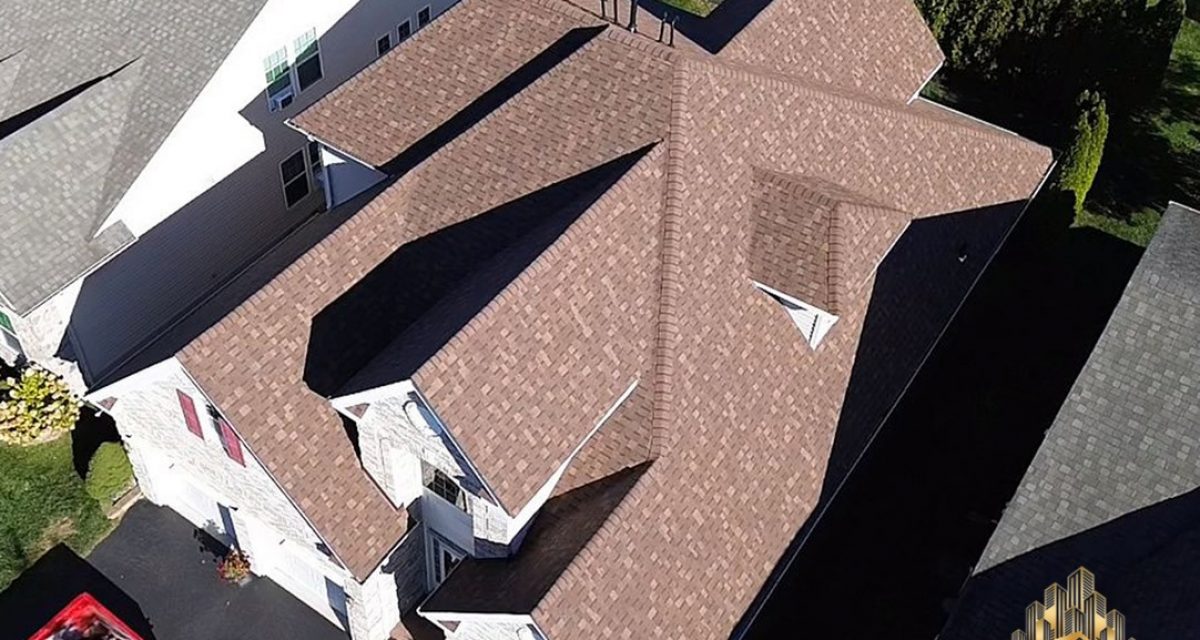
The completed roof shown in this photograph features brown asphalt shingles arranged across a complex residential roof with multiple slopes, intersecting sections, ridges, hips, valleys, and dormers. The consistent shingle coverage creates a unified appearance across the different roof planes, while the warm brown color complements the home’s light exterior walls and surrounding landscape.
This type of roof demonstrates why professional installation requires careful planning and attention to detail. Complex roof designs contain several transitions where different surfaces meet. Each transition must be considered during installation to help manage water, maintain consistent material alignment, and achieve a clean finished appearance.
At All State Roofing & Chimney, roofing projects should be approached with attention to the condition of the existing roof, the suitability of the selected materials, and the details that contribute to a reliable finished system. From evaluating the roof structure to completing the final installation, every stage has a role in the quality of the result.
For homeowners considering a new roof, understanding the replacement process makes it easier to evaluate materials, recognize the importance of workmanship, and make informed decisions about protecting their property.
Table of Contents
-
Understanding the value of professional roof replacement
-
Why brown asphalt shingles are a popular choice
-
Planning a replacement for a complex roof design
-
Preparing the roof for installation
-
Installing shingles with precision
-
Managing roof ridges, hips, and valleys
-
Protecting vulnerable areas with proper flashing
-
Understanding ventilation and drainage
-
Improving curb appeal and property presentation
-
Recognizing when a roof needs replacement
-
Maintaining a new roofing system
-
Choosing a professional roofing contractor
Understanding the Value of Professional Roof Replacement
A residential roof is a coordinated system of materials and components designed to protect the home from the elements. Asphalt shingles form the visible exterior layer, but the complete assembly also depends on the roof deck, underlayment, flashing, fastening methods, ventilation, and carefully finished transitions.
When a roof becomes worn, damaged, or unreliable, replacing it may offer a more practical solution than continuing to repair isolated areas. The appropriate decision depends on the roof’s age, the extent of deterioration, the frequency of leaks, and the condition of the underlying materials.
A complete roof replacement provides an opportunity to assess the entire roofing surface and address problems that may otherwise remain concealed. Once old shingles are removed, a contractor can inspect the roof deck for deterioration, identify damaged sections, and determine whether repairs are necessary before new materials are installed.
Replacing an aging roof can also improve the home’s exterior presentation. The photograph illustrates this benefit through its consistent brown shingle coverage and carefully defined rooflines. The completed surface gives the property a cohesive appearance despite the complexity of its architectural design.
However, a successful replacement should never be judged by appearance alone. A roof may look attractive from the ground, but its long-term performance depends on the quality of the installation and the condition of components that are not visible in a finished photograph.
Homeowners should therefore consider three important factors when evaluating a roofing project: the suitability of the materials, the quality of the installation, and the effectiveness of the details designed to manage water. When these elements work together, the result is a roofing system designed to provide dependable protection.
Why Brown Asphalt Shingles Are a Popular Choice
Asphalt shingles are widely used in residential roofing because they offer versatility, a broad selection of colors, and compatibility with many architectural styles. They are available in different profiles and product grades, allowing homeowners to choose an appearance that complements their property.
Brown asphalt shingles are especially versatile because they combine warm, natural-looking tones with a traditional residential appearance. Depending on the product, the color may incorporate lighter and darker granules that create subtle variation across the roof surface.
In the featured photograph, the brown shingles complement the light-colored exterior walls and provide contrast against the surrounding greenery. The roof’s multiple slopes create changing patterns of sunlight and shadow, emphasizing the home’s architectural details without making the exterior appear visually disconnected.
Color selection should consider more than personal preference. Homeowners may wish to compare the roof color with siding, exterior trim, masonry, windows, and other permanent features. Looking at full-size samples under different lighting conditions can help provide a more realistic impression than viewing a small color swatch.
The shingle profile is equally important. Architectural shingles typically create a more dimensional appearance than traditional three-tab shingles. Their varied shapes and shadow lines can add depth to the finished roof while maintaining a familiar asphalt-shingle aesthetic.
Material selection must also account for product specifications, roof slope, local weather exposure, and installation requirements. Not every shingle product is suitable for every application, and the manufacturer’s instructions should guide the installation.
A professional roofing contractor can help homeowners compare available options, understand the differences between products, and select materials that suit the home’s design and practical requirements.
The objective is to achieve a balanced result: a roof that looks appropriate for the property while providing the performance expected from a properly installed roofing system.
Planning a Replacement for a Complex Roof Design
The roof shown in the photograph has several intersecting slopes and prominent ridgelines. This configuration creates an attractive architectural profile, but it also requires more detailed planning than a simple roof with two uninterrupted slopes.
Complex roof designs contain numerous transitions. Hips connect adjoining roof planes, ridges form the upper intersections of slopes, and valleys channel water where two descending roof surfaces meet. Dormers and other projections introduce additional edges and junctions.
Each of these features must be incorporated into the installation plan. Material quantities, shingle layout, flashing details, and the sequence of installation all need to account for the roof’s geometry.
Accurate measurements help determine the quantity of shingles, underlayment, ridge materials, and other components required. Estimating should also account for the additional cutting and fitting associated with intersecting slopes and architectural features.
Good planning can reduce avoidable material waste and help ensure that the appropriate components are available when needed. It also allows the contractor to identify areas that may require additional attention before the installation begins.
The roof’s layout should be evaluated as a complete system rather than as a collection of independent surfaces. Water entering one section must be directed safely toward the appropriate drainage path, and the materials at adjoining sections must work together.
Homeowners should also discuss project access, material delivery, debris collection, and protection of landscaping and exterior features. Organized preparation helps keep the work area manageable and reduces unnecessary disruption to the property.
A detailed plan establishes the foundation for consistent workmanship. On a complex roof, the finished appearance depends on the coordination of numerous smaller installation decisions, each contributing to the overall result.
Preparing the Roof for Installation
The quality of a new roof begins with the surface beneath the shingles. Before installing new materials, the contractor must determine whether the existing roofing should be removed and inspect the underlying roof deck where it is exposed.
If a complete tear-off is required, old shingles and associated materials are removed from the designated work area. The exposed deck can then be assessed for damage, deterioration, moisture-related problems, and unsuitable fastening conditions.
Any damaged decking should be addressed before the new roofing system is installed. The extent of the repair depends on the actual condition of the surface; not every roof requires complete deck replacement.
The supporting surface must be appropriately prepared so that the new materials can be installed according to the manufacturer’s requirements. Loose debris, protruding fasteners, and other obstructions should be addressed as part of the preparation process.
Underlayment is another important component of many asphalt-shingle roofing systems. Installed over the prepared deck, it provides an additional layer of protection beneath the shingles. The type of underlayment and its installation details depend on the selected roofing products, roof slope, local requirements, and environmental conditions.
The Asphalt Roofing Manufacturers Association provides technical information and resources relating to asphalt roofing materials and installation practices.
Preparation also includes evaluating roof edges, valleys, penetrations, and other locations where additional protective components may be necessary. These details should be planned before the shingles cover the underlying layers.
The finished photograph does not reveal which preparation methods or underlayment products were used on this particular project. Nevertheless, these stages are important considerations for any homeowner planning a similar replacement.
Careful preparation helps establish a suitable foundation for the visible roofing materials and reduces the risk of concealing defects beneath a new covering.
Installing Shingles With Precision
Shingle installation requires consistency, appropriate fastening, and careful alignment. Even when the selected materials are high quality, poor installation practices can compromise the performance and appearance of the completed roof.
The installation sequence must follow the requirements of the selected shingle product. This includes the proper placement of starter materials, the correct overlap between courses, and the specified fastening pattern.
Fasteners must be suitable for the roofing system and installed in the designated locations. Incorrect nail placement, insufficient penetration, or overdriven fasteners can affect how securely shingles remain attached.
Alignment is particularly important on large roof planes. Consistent courses and appropriately positioned shingle edges create an orderly appearance and help the finished roof look cohesive from different viewing angles.
The photograph provides a useful example of how a consistent shingle pattern carries across several sections of a complex roof. The brown surface remains visually coordinated even where the roof changes direction or elevation.
Cutting and fitting also require attention. At hips, valleys, ridges, and dormers, shingles must be installed in a sequence that respects the roof’s geometry and the requirements of the selected roofing system. These areas should not be treated as minor finishing tasks because they influence both appearance and weather protection.
Weather conditions may affect the installation process as well. Roofing materials should be handled and installed according to the manufacturer’s guidance, and exposed sections should be protected appropriately if conditions change.
After the main shingle installation is complete, the roof should be reviewed for visible inconsistencies, improperly placed materials, and unfinished details. A systematic final inspection helps confirm that the work has been completed to the agreed scope.
Precision is especially valuable on a roof with many intersecting surfaces. When the individual details are handled correctly, they contribute to a consistent finish and a more dependable roofing assembly.
Managing Roof Ridges, Hips, and Valleys
Ridges, hips, and valleys are defining features of the roof in the photograph. They create the roof’s architectural shape and influence how water moves across its surface.
A ridge forms where two upward-facing roof slopes meet at the top. A hip is an external intersection between sloping roof planes, while a valley is an internal junction where adjoining roof sections direct water downward.
Each feature requires an appropriate installation detail. Ridge and hip materials must be compatible with the roofing system and installed in accordance with the manufacturer’s specifications. Their placement should create a finished appearance while providing the intended protection at the roof’s upper intersections.
Valleys require particular attention because they collect water from adjoining slopes. The valley design, underlayment, flashing or valley materials, and shingle arrangement must work together to direct water toward the roof’s drainage edge.
Poorly detailed valleys may be vulnerable to water intrusion, especially where debris accumulates or where materials have been installed incorrectly. Contractors should select a suitable valley construction method and follow the relevant product requirements.
On a complex roof, these details repeat across multiple intersections. The installation team must maintain consistent workmanship throughout the project instead of concentrating only on the most visible sections.
The photograph’s aerial perspective makes the network of roof intersections particularly clear. The ridges and hips create a structured pattern, while the adjoining roof planes connect into a unified architectural design.
Homeowners should recognize that these features require specialized attention even when the finished roof appears straightforward from the ground. The quality of the work at these intersections can have a meaningful influence on the roof’s overall performance.
Protecting Vulnerable Areas With Proper Flashing
Flashing is used at selected roof transitions to help prevent water from entering the building. It is especially important where the roof meets walls, chimneys, dormers, and other structures that interrupt the shingle surface.
The appropriate flashing arrangement depends on the location and construction detail. Step flashing, apron flashing, counterflashing, and other components serve different purposes and should be selected according to the specific application.
During a replacement, existing flashing should be evaluated rather than automatically reused. Damaged, corroded, poorly positioned, or incompatible components may require correction or replacement.
Chimneys deserve particular attention because the connection between masonry and roofing can involve several vulnerable joints. A professional assessment may include examining the visible flashing, the condition of the surrounding roofing, and any signs of water entry.
The featured photograph shows a completed roof with several changes in roof elevation and nearby exterior structures. Although it does not establish which flashing components were installed or whether separate chimney work was performed, these transitions remain important considerations when replacing a roof of this design.
Proper flashing must be integrated with the surrounding roofing materials so that water is directed outward rather than behind the protective layers. Surface sealant alone should not be treated as a substitute for a correctly designed flashing detail.
Homeowners planning roof replacement should ask how flashing at critical transitions will be assessed and handled. Clear communication helps establish which components are included in the work and whether any additional repairs may be needed.
A well-detailed roof relies on the combined performance of its shingles, underlayment, flashing, and drainage paths. Giving these areas appropriate attention helps support the protection provided by the complete roofing system.
Understanding Roof Ventilation and Drainage
A roofing system must manage more than rainfall. Ventilation and drainage also influence the long-term condition of the roof and the building beneath it.
Proper attic ventilation can help manage heat and moisture when designed appropriately for the building. The correct arrangement depends on the attic configuration, insulation, existing ventilation openings, and applicable building requirements. During a roof replacement, these components can be evaluated to identify visible damage, obstructions, or opportunities for improvement.
Ventilation should be considered as part of the overall roof assembly rather than as an isolated feature. Changes to individual vents should be planned carefully to maintain a suitable ventilation strategy for the property.
Drainage is equally important. Rainwater must travel across the roof surface and reach the intended drainage points without being obstructed by improperly installed materials or accumulated debris.
On a complex roof, several slopes may direct water toward a shared valley or lower section. The contractor must account for these water pathways when installing shingles and completing transitions.
Gutters and downspouts also contribute to the building’s drainage system. When they are blocked or damaged, water may overflow near exterior walls, landscaping, and foundations. Although gutter problems are not always caused by the roof itself, they should be considered during an exterior assessment.
The combination of appropriate roofing materials, carefully completed transitions, and effective drainage helps protect the property from avoidable moisture-related problems.
Improving Curb Appeal and Property Presentation
A new roof can significantly change the appearance of a home. Because the roof occupies such a prominent part of the exterior, its color, texture, and overall condition influence the property’s visual character.
The brown asphalt shingles in the photograph create a warm, traditional appearance that complements the home’s light-colored walls. Their consistent coverage brings together the different roof sections, allowing the dormers, ridges, and intersecting slopes to remain visually distinct without appearing disconnected.
Choosing the right roof color can help homeowners create a balanced exterior. Brown tones may work particularly well with cream, white, beige, stone, and certain natural wood finishes. However, the best combination depends on the home’s specific exterior materials and architectural style.
Curb appeal also depends on installation quality. Straight shingle courses, consistent ridge lines, and properly finished transitions contribute to a more professional appearance. Uneven patterns or unfinished details can detract from the result even when the selected materials are attractive.
A roof replacement may also be an opportunity to review the condition of other visible exterior components. Flashing, gutters, fascia, and adjacent trim can be evaluated to determine whether repairs are appropriate.
Homeowners should remember that a visually appealing roof is only one part of a successful project. Its appearance should be supported by sound installation methods and suitable materials.
When these elements are considered together, a new roof can improve the property’s presentation while serving its essential protective purpose.
Recognizing When Roof Replacement Is Necessary
Knowing when a roof needs replacement can help homeowners make informed decisions before deterioration becomes more extensive.
Common warning signs include widespread shingle deterioration, repeated leaks, missing shingles, curling edges, and visible damage following severe weather. Persistent moisture stains inside the home or signs of water intrusion in the attic may also warrant professional evaluation.
However, no single symptom automatically means that the entire roof must be replaced. Some problems can be corrected through localized repairs, while extensive deterioration may make a complete replacement more practical.
The roof’s age is another factor. Different roofing products have different expected service lives, and actual performance depends on installation quality, weather exposure, ventilation, maintenance, and other conditions.
A professional inspection should consider the roof’s overall condition rather than focusing on one isolated defect. The contractor can identify visible problems, assess whether repairs are feasible, and explain the advantages and limitations of the available options.
When replacement is recommended, homeowners should request a clear explanation of the reasons for that recommendation. Photographs of visible damage, a description of the proposed work, and a written estimate can help clarify the decision.
The objective is not to replace a roof unnecessarily. It is to determine the most appropriate way to maintain the property’s protection while considering long-term costs and practical needs.
Maintaining a New Roofing System
After a roof replacement, routine maintenance helps homeowners monitor the condition of the installation and identify potential problems early.
Periodic professional inspections can help reveal missing shingles, damaged flashing, deteriorated sealant where appropriate, and other visible concerns. Inspections after significant storms may be particularly useful when the property has experienced strong winds or falling debris.
Gutters should be checked and cleaned as needed so that rainwater can drain away from the roof and building. Debris should also be monitored around valleys and drainage points where accumulation could interfere with water flow.
Homeowners should avoid climbing onto steep roofs themselves. Walking on shingles can create damage, and working at height presents serious safety risks. A qualified professional is better equipped to assess difficult-to-reach areas.
It is also helpful to retain the roofing estimate, product information, warranty documents, and records of any subsequent repairs. These records make it easier to understand which materials were installed and what maintenance recommendations apply.
No roof is completely immune to weather-related damage. However, appropriate maintenance, timely repairs, and professional inspections can help preserve its condition and support its expected performance.
A new roof should be viewed as a long-term investment that benefits from responsible care after installation.
Choosing a Professional Roofing Contractor
Selecting the right contractor is an important part of any roofing project. Homeowners should look beyond the proposed price and consider the contractor’s experience, communication, installation practices, and ability to explain the scope of work.
A written estimate should identify the proposed materials, removal and disposal arrangements, preparation requirements, and relevant installation details. It should also explain how concealed damage, such as deteriorated roof decking discovered during removal, will be documented and handled.
Homeowners should ask about insurance, applicable licensing requirements, manufacturer installation instructions, and warranty terms. Requirements vary by jurisdiction, so it is important to confirm which rules apply to the property.
Communication should continue throughout the project. The contractor should explain significant findings, discuss any changes to the agreed scope, and provide clear information about the next stages of work.
For a complex roof like the one shown in the photograph, attention to detail is particularly important. The many roof planes and intersections require coordinated installation so that the shingles, flashing, ridges, hips, and valleys form a complete system.
All State Roofing & Chimney provides roofing services, including roof replacement, roof repairs, and roof leak repair, alongside chimney-related services. Homeowners can explore the company’s roofing and chimney services to learn more about the available options.
Before committing to a project, property owners should discuss their roof’s condition, material preferences, budget, and expectations. A clear understanding of these factors helps establish a practical plan for completing the work.
Professional Roof Replacement for Lasting Protection
The completed brown asphalt-shingle roof featured in this photograph demonstrates how consistent materials and carefully coordinated rooflines can create an attractive residential exterior. Its multiple slopes, dormers, ridges, hips, and valleys highlight the importance of precise installation across every section of the roof.
A successful roof replacement involves much more than installing new shingles. It requires appropriate preparation, evaluation of the roof deck, suitable underlayment, correct fastening, properly detailed flashing, and attention to drainage and ventilation.
Each component contributes to the performance of the complete roofing system. When these elements are considered together, homeowners can make better-informed decisions about protecting their properties and maintaining their exterior appearance.
For assistance with a roofing project, contact All State Roofing & Chimney at (862) 295-7864 to discuss your needs and ask about an inspection or estimate.
A professionally planned roof replacement can provide a refreshed appearance and a practical opportunity to address roofing concerns. By prioritizing suitable materials, careful workmanship, and ongoing maintenance, homeowners can invest in a roofing system designed to serve their property reliably.