
Introduction: The Importance of Professional Roof Installation
Roof installation is one of the most important investments a property owner can make to protect a home, preserve its structural integrity, and maintain its long-term value. A properly installed roofing system does much more than improve the appearance of a property. It creates a protective barrier against rain, wind, moisture, changing temperatures, and the everyday environmental conditions that gradually affect a building. Every stage, from preparing the roof surface to installing the final shingles, contributes to the performance and reliability of the finished system.
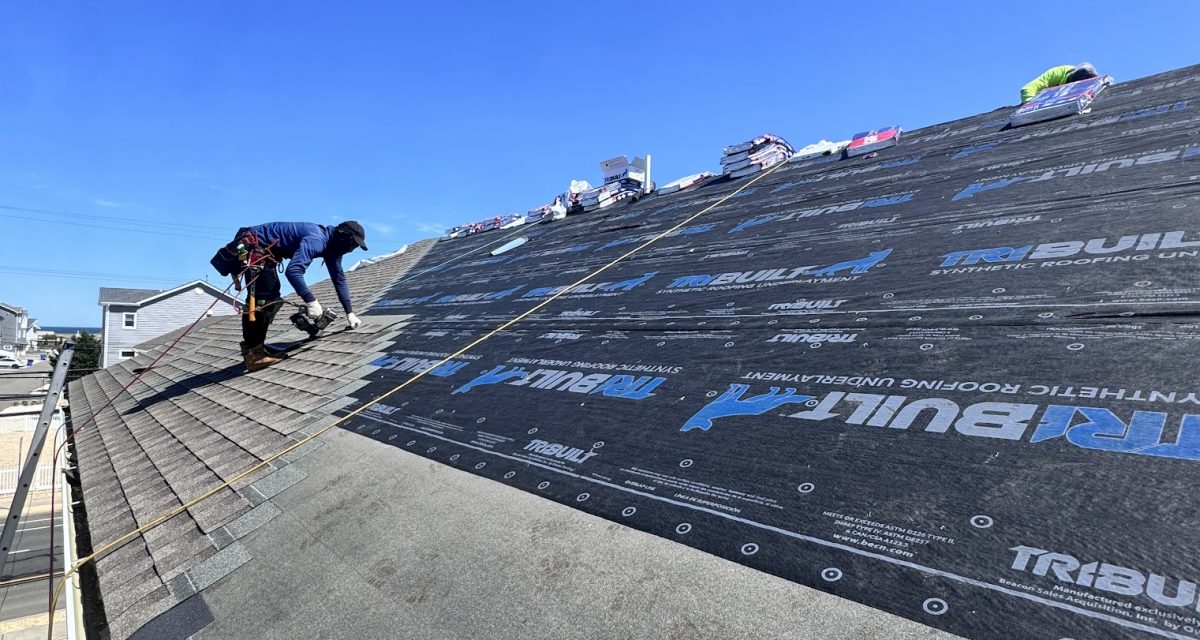
The roofing project shown in this photograph demonstrates an important stage of professional roof installation. The image captures an active installation process in which synthetic roofing underlayment covers a substantial section of the roof, while asphalt shingles are being carefully positioned across another section. Roofing materials are organized along the upper slope, and installers are working directly on the surface to continue the installation.
This combination of visible materials and ongoing workmanship illustrates why a successful roofing project requires more than simply placing new shingles over an existing structure. The protective layers underneath, the positioning of each roofing component, and the consistency of the installation all influence the finished result.
At All State Roofing & Chimney, attention to roofing preparation, suitable materials, and professional installation practices is essential to delivering dependable roofing solutions. Each roofing project should be approached with consideration for the property’s existing conditions, its structural requirements, and the protection needed for the years ahead.
Understanding the Roof Installation Process
A complete roof installation involves several interconnected stages. Although the finished roof may appear to consist primarily of shingles or another exterior covering, the actual roofing system contains multiple components that work together to manage water, protect the underlying structure, and support long-term performance.
The installation process begins with evaluating the existing roof and determining the appropriate preparation required for the project. Depending on the condition of the roof, this may involve removing existing roofing materials, inspecting the underlying decking, addressing damaged sections, and preparing the surface for new protective layers.
Once the roof deck is ready, contractors install the appropriate underlayment and other roofing components according to the selected system. The exterior roofing material is then installed following the applicable manufacturer instructions and project specifications.
The photograph provides a particularly useful view of the transition between two important installation stages. One portion of the roof has already received synthetic underlayment, while asphalt shingles are being installed across the adjoining section. This visible progression demonstrates how roofing work develops systematically across the roof surface.
A professional roof installation should maintain continuity between these stages. Materials must be compatible, installation details must be considered carefully, and the work should progress in a way that protects the portions of the roof that have already been prepared.
Preparing the Roof Surface Before Installation
Preparation is one of the most important foundations of a reliable roofing project. Before new materials can be installed, the contractor must determine whether the existing roof structure provides a suitable surface for the selected roofing system.
During a roof replacement, preparation commonly begins with removing the old shingles and other materials that must not remain beneath the new assembly. This allows the underlying decking to become accessible for inspection.
The roof deck supports the roofing materials and provides the foundation for the entire installation. If sections of the decking are weakened by moisture, deterioration, or previous leaks, simply covering them with new shingles will not correct the underlying problem.
A careful inspection can help identify damaged wood, loose sections, exposed fasteners, and other conditions that may affect installation quality. Any necessary repairs should be addressed before the new roofing layers are applied.
Surface preparation also involves removing debris, checking the condition of the roof edges, and ensuring that the installation area is appropriate for the selected materials.
Although the photograph does not show the earlier removal or inspection stages, it captures the project after protective underlayment has been installed across a large section. This makes the importance of preparation particularly relevant: every visible roofing layer depends on the condition and readiness of the surface beneath it.
A properly prepared roof provides installers with a more consistent working surface and helps create the conditions necessary for accurate shingle placement.
Synthetic Roofing Underlayment: An Essential Protective Layer
One of the most noticeable features in the photograph is the dark synthetic roofing underlayment covering a large portion of the roof. This material is installed beneath the exterior roofing covering and serves as an additional protective layer within the roofing assembly.
Underlayment plays an important role because asphalt shingles are the primary exterior covering, but they are not intended to be the only line of defense against moisture. Properly selected and installed underlayment provides supplementary protection for the roof deck.
Synthetic underlayment is commonly used in modern roofing projects because it is designed for roofing applications and offers practical handling characteristics during installation. Its specific performance characteristics depend on the product, manufacturer specifications, and approved application methods.
The material visible in this project is branded TRIBUILT. The presence of a branded product demonstrates why contractors should pay attention to product identification and installation requirements rather than treating all underlayments as interchangeable.
Correct installation is essential. Underlayment must be positioned with appropriate overlaps, secured according to the manufacturer’s instructions, and integrated with the other roofing components. Wrinkles, incorrect fastening, or poorly arranged overlaps can interfere with the intended protective function.
Roof edges, valleys, penetrations, and transitions may require additional waterproofing components depending on the roof design and applicable requirements.
The underlayment visible in the photograph represents an important part of the overall roof installation. It creates a protective foundation beneath the shingles and helps ensure that the completed roofing assembly has more than one layer of defense.
Asphalt Shingle Installation and Proper Placement
The photograph also shows asphalt shingles being installed across the left section of the roof. The visible courses demonstrate how the exterior covering is gradually extended across the prepared surface.
Asphalt shingles remain a widely used residential roofing material because they offer a practical combination of appearance, material availability, and installation flexibility. They are available in different styles, profiles, colors, and performance categories, allowing homeowners to select products that complement their properties.
However, the quality of the finished roof depends on more than choosing an attractive shingle. Proper placement, fastening, alignment, and integration with the surrounding roofing components are equally important.
Installers must follow the product’s specified exposure dimensions and fastening requirements. Each course should be positioned consistently so that the completed surface maintains an organized appearance and performs as intended.
Fasteners must be installed in the designated areas and at the required depth. Incorrect nail placement can compromise the attachment of individual shingles, while inconsistent alignment can affect the appearance and weather resistance of the installation.
Starter shingles, field shingles, and ridge components each have specific functions within the roofing assembly. Their installation must follow the selected product’s requirements rather than relying on a general approach that may not suit every roofing system.
In the photographed project, the transition between the installed shingle courses and the exposed underlayment makes the progress of the work easy to understand. It shows how the exterior covering is being added systematically while the remaining roof area stays protected by its underlying layer.
Maintaining Proper Underlayment Coverage and Overlaps
Correct underlayment coverage is essential to the performance of a roofing system. Roofing materials must be arranged so that water is directed downward and outward instead of being allowed to travel beneath the protective layers.
This principle makes the direction and amount of overlap particularly important. Underlayment courses are generally installed in a sequence that allows the upper course to overlap the lower course, helping direct moisture toward the roof drainage system.
The precise overlap dimensions and fastening patterns depend on the underlayment product, roof slope, installation conditions, and applicable building requirements. Contractors should always follow the relevant manufacturer’s instructions.
In a professional roof installation, the underlayment should lie smoothly against the roof surface. Excessive wrinkles, loose edges, and inconsistent positioning should be corrected before the shingles cover the area.
Attention is also necessary around roof edges and transitions. The relationship between underlayment, drip edge, and other flashing components must be planned correctly because these locations can be particularly vulnerable to water entry.
The broad exposed section of underlayment in the photograph provides a clear view of the material before it is concealed by the finished roofing surface. This stage offers an opportunity for installers to verify coverage and identify visible installation concerns while the material remains accessible.
A properly integrated underlayment layer contributes to a more dependable roofing assembly and provides additional protection beneath the exterior shingles.
Why Roof Edges and Flashing Details Matter
Roofing performance depends on the entire system, not just the large visible sections of shingles. Roof edges, valleys, wall connections, and penetrations require particular attention because they involve transitions between different materials and surfaces.
Drip edge is an important roofing component used along designated roof perimeters. Its purpose is to help direct water away from the roof deck and fascia while supporting proper drainage toward the gutter system.
Flashing is used at locations where roofing surfaces meet walls, chimneys, or other structures. These areas require carefully planned connections because water can enter through poorly integrated joints.
Valleys also deserve special attention. They collect water from adjoining roof slopes, meaning their design and installation must accommodate concentrated drainage.
The exact flashing arrangement depends on the roof configuration and the roofing materials being installed. A professional contractor must consider these details during preparation rather than treating them as minor finishing tasks.
The photograph focuses mainly on the roof surface and does not provide a close view of every flashing connection or perimeter detail. Nevertheless, these components remain important considerations for completing the installation properly.
When a roofing project is evaluated, homeowners should consider whether the proposal addresses edges, transitions, flashing, and drainage instead of focusing exclusively on the visible shingle material.
Working Safely on a Sloped Roofing Surface
The photograph clearly shows installers working on a sloped roof, highlighting the importance of professional safety practices during installation.
Roofing work involves elevated surfaces, changing footing conditions, tools, heavy materials, and exposure to weather. These conditions require suitable fall protection, appropriate equipment, and a clear understanding of jobsite safety procedures.
Workers should use the required personal protective equipment and follow applicable occupational safety requirements. Fall protection arrangements must be appropriate for the roof configuration and the specific work being performed.
Material organization is another important consideration. Roofing products should be positioned in a controlled manner that avoids unnecessary movement, protects the materials, and maintains safe access across the work area.
Weather conditions also influence the safety and quality of installation. Wet surfaces, strong winds, and unsuitable temperatures can create additional challenges. Contractors should evaluate conditions before continuing work.
The visible safety equipment and organized materials in the photograph emphasize that roofing installation is a skilled construction activity that requires planning and coordination.
Homeowners should never underestimate the complexity of working on steep or elevated roof surfaces. Professional installation provides access to trained workers, appropriate equipment, and established procedures that help manage these risks.
The Importance of Quality Roofing Materials
Material selection has a direct influence on the performance, appearance, and maintenance requirements of a roofing system.
A suitable roofing material should be selected according to the building’s design, roof slope, environmental exposure, budget, and applicable installation requirements.
Asphalt shingles offer a versatile option for many residential properties. Architectural shingles can provide a more dimensional appearance, while other roofing systems, including metal, slate, and flat roofing materials, may be appropriate for different building designs.
Underlayment, flashing, fasteners, starter strips, and ventilation components must also be selected as part of the complete assembly. Choosing a high-quality exterior shingle while overlooking the supporting materials can undermine the overall project.
Product compatibility is particularly important. Different manufacturers may establish specific requirements concerning fastening, underlayment, roof slope, ventilation, and installation methods.
For this reason, a professional contractor should review the specifications for the selected roofing products before beginning installation.
All State Roofing & Chimney provides roofing solutions that include roof installation and replacement. The company’s website describes several roofing options, including asphalt shingles, metal, slate, and flat roofing.
The objective should always be to select a complete roofing system that suits the property rather than focusing on one individual product.
Proper Roof Ventilation and Long-Term Performance
Roof ventilation is another important consideration when planning a roofing project. Although ventilation components are not the main focus of the photograph, they form part of the broader system that should be evaluated during installation.
An attic or roof assembly can experience temperature and moisture changes throughout the year. Appropriate ventilation helps manage the movement of air and can reduce the accumulation of excess moisture under suitable conditions.
A balanced ventilation design generally considers both intake and exhaust airflow. Intake ventilation is commonly provided near the lower roof edges, while exhaust ventilation may be located near the ridge or through other approved roof ventilation products.
The correct arrangement depends on the building’s design, insulation, existing ventilation openings, and manufacturer recommendations.
Poor ventilation can contribute to moisture-related concerns and may affect the performance of some roofing systems. It can also influence the conditions experienced within the attic.
Ventilation should therefore be considered as part of the roof installation planning process rather than added without evaluating the existing structure.
The National Roofing Contractors Association provides educational information about attic ventilation and roofing practices. Its guidance is a useful starting point for homeowners who want to understand how different roofing components work together.
A professionally planned roofing system considers the exterior covering, protective layers, drainage, and ventilation as connected elements.
How Professional Installation Helps Protect Against Water Intrusion
Water intrusion is one of the most common concerns associated with roofing problems. Even a relatively small installation defect can allow moisture to reach areas that should remain protected.
Water can enter through damaged shingles, poorly installed flashing, inadequate overlaps, exposed fasteners, and vulnerable roof transitions.
Once moisture reaches the underlying structure, it may affect roof decking, insulation, ceilings, and interior finishes. If the problem remains unresolved, continued exposure can result in more extensive deterioration.
A properly planned roof installation helps reduce these risks by combining appropriate materials with careful workmanship.
Shingles should be installed according to their designated fastening and exposure requirements. Underlayment must be correctly positioned, while flashing and edge details should be integrated into the roofing system.
Drainage is equally important. The roof should direct water toward the appropriate collection and discharge points without creating unnecessary opportunities for moisture to accumulate.
It is important to understand that no roofing system should be described as completely immune to leaks. Severe weather, physical damage, aging materials, and unexpected conditions can affect any roof.
However, careful installation provides an essential foundation for reliable performance and helps reduce preventable vulnerabilities.
Roof Installation Versus Roof Repair: Understanding the Difference
Not every roofing problem requires a complete replacement. In some situations, a targeted repair may be sufficient to address localized damage and restore the affected section.
Roof repair is generally appropriate when the existing roofing system remains in serviceable condition and the problem can be corrected without replacing the entire covering.
Examples may include isolated shingle damage, limited flashing deterioration, or a localized leak caused by a specific installation defect.
A full roof installation or replacement may become more appropriate when the existing materials have deteriorated extensively, damage affects multiple sections, or the roof has reached a condition where repeated repairs are no longer a practical solution.
The decision should be based on a professional inspection rather than assumptions based solely on the age or appearance of the roof.
All State Roofing & Chimney offers both roof repair and roof replacement services. Property owners can learn more through the company’s roof leak repair service and roof replacement service.
Understanding the difference between these options helps homeowners make informed decisions and avoid unnecessary work.
Weather Conditions and Roofing Installation Quality
Weather conditions can influence the installation process, the handling of materials, and the protection of the exposed roof surface.
Rain is an important consideration because roofing materials and the underlying deck should be appropriately protected from moisture during installation.
Strong winds may affect the handling and positioning of underlayment and shingles. They can also create additional safety concerns for workers operating on elevated surfaces.
Temperature can influence the flexibility and sealing characteristics of certain roofing products. Manufacturers may establish specific installation recommendations for different environmental conditions.
The photograph shows a clear working environment, with the installers carrying out the roofing work under bright, dry-looking conditions. This provides a useful illustration of an active installation stage, although a photograph alone cannot establish the complete weather history of the project.
Professional contractors should monitor weather conditions and organize the work so that exposed sections are not unnecessarily vulnerable.
If unexpected rain or changing conditions interrupt a project, appropriate temporary protection may be necessary.
Planning for weather is not simply a scheduling consideration. It is an important part of protecting the roofing materials, maintaining safe working conditions, and preserving the quality of the installation.
Common Roofing Installation Problems That Should Be Avoided
Even quality roofing materials can perform poorly if they are installed incorrectly. Several preventable mistakes can affect the durability and weather resistance of the finished roof.
One common problem is inadequate surface preparation. Installing new materials over damaged decking or an unsuitable surface can leave underlying structural concerns unresolved.
Incorrect underlayment placement is another potential issue. Poor overlaps, wrinkles, inadequate fastening, and improperly integrated edges may interfere with the protective function of the material.
Shingle alignment and fastening also require consistency. Incorrect nail positioning, insufficient fastening, or failure to follow manufacturer specifications can compromise individual shingles.
Flashing details should never be overlooked. Areas around walls, chimneys, valleys, and roof penetrations require suitable materials and installation methods.
Ventilation is another consideration that should be evaluated as part of the complete roofing design.
Finally, poor cleanup and inadequate inspection can leave loose materials, exposed fasteners, or debris that affects the finished property.
Avoiding these issues requires a systematic approach to roof installation. Each stage should be completed with attention to the relevant product requirements and the specific characteristics of the building.
Final Inspection and Completing the Roofing Project
The final inspection is an essential part of a professional roofing project. Before the installation is considered complete, the contractor should evaluate the visible work and verify that the roofing components have been installed appropriately.
The inspection should consider shingle alignment, fastening, roof edges, flashing, ridge details, and other relevant transitions.
The underlayment should have been properly covered and integrated into the finished assembly, except where the approved roofing design specifies otherwise.
The roof surface should also be checked for visible damage, misplaced materials, and areas that may require correction.
Cleanup is another important part of completing the project. Roofing debris, unused materials, packaging, and loose fasteners should be removed from the property as appropriate.
A final review also gives the homeowner an opportunity to discuss the completed work, understand any maintenance recommendations, and receive relevant product or workmanship documentation.
A quality installation should not be judged solely by how the roof looks from the ground. The details beneath the finished surface and the condition of the surrounding components are equally important.
Maintaining Your Roof After Installation
Although a professionally installed roof provides an important protective foundation, regular maintenance remains necessary.
Homeowners should periodically observe the roof from a safe location and look for visible signs of deterioration. These may include missing shingles, displaced roofing materials, damaged flashing, or unusual debris accumulation.
Gutters should also be maintained so that rainwater can move away from the roof and building efficiently. Blocked drainage components can contribute to moisture-related problems around roof edges and other vulnerable locations.
After significant storms, it may be appropriate to arrange a professional inspection if there are concerns about visible damage or potential leaks.
Attic inspections can also help identify signs of moisture intrusion, staining, or ventilation concerns. Any unusual conditions should be evaluated before they develop into more extensive problems.
Homeowners should avoid climbing onto steep or elevated roof surfaces to investigate suspected damage themselves. A qualified roofing professional has the equipment and experience necessary to evaluate these areas more safely.
Maintenance does not eliminate every possible roofing problem, but it can help identify developing concerns and support the continued performance of the roofing system.
Why Choose All State Roofing & Chimney for Your Roofing Project?
Selecting a roofing contractor is an important decision because the quality of the installation can influence the performance of the roof for many years.
Homeowners should look for a company that understands the importance of preparation, material selection, installation requirements, and attention to detail.
All State Roofing & Chimney provides roofing services that include new roof installation, roof replacement, roof repair, and emergency roofing assistance. The company also offers chimney-related services, making it possible for property owners to discuss different exterior protection needs with one service provider.
A professional roofing project should begin with an evaluation of the existing conditions and a clear explanation of the proposed work.
The selected materials, installation approach, and project expectations should be discussed before construction begins. This helps homeowners understand what is included and why particular roofing components are necessary.
The company’s Roof Installation service page provides additional information about its roofing solutions.
Property owners can also explore the company’s roofing and chimney services to learn more about the available options.
The objective is to approach every project with a focus on dependable protection, appropriate materials, and professional workmanship.