
A professionally completed roof replacement is one of the most important investments a homeowner can make to protect a residential property. Beyond improving the exterior appearance of a home, a properly installed roofing system provides essential protection against rain, wind, moisture, temperature changes, and other environmental conditions. The quality of the materials, preparation, installation techniques, and finishing details all contribute to the long-term performance of the roof.
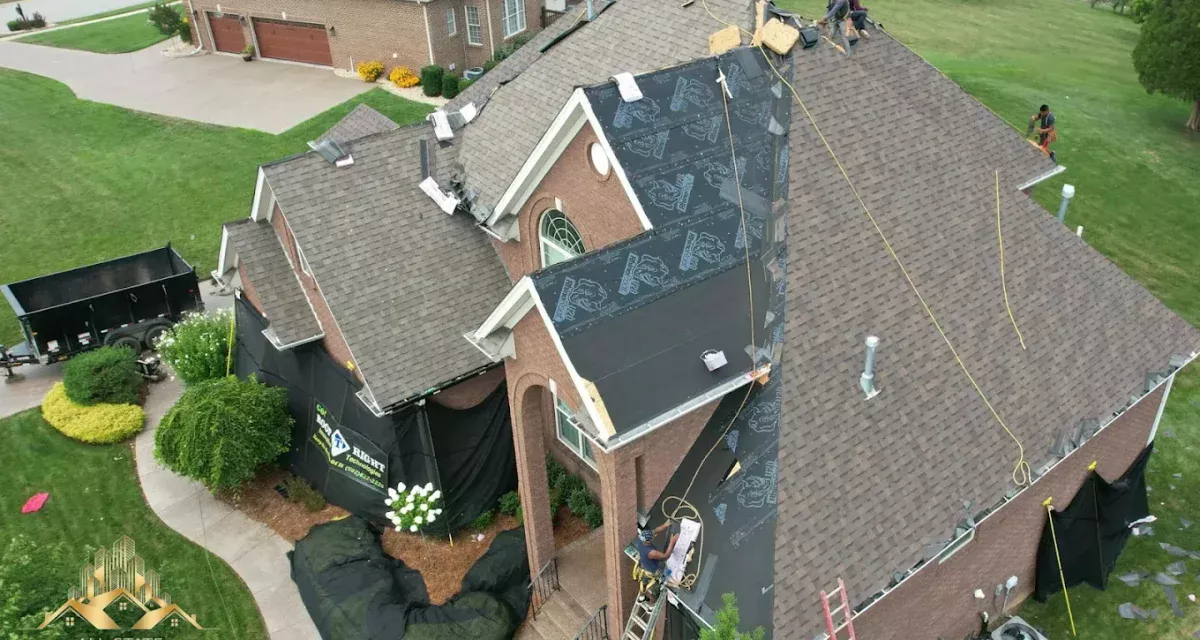
The residential roofing project shown in this photograph demonstrates the scale and attention to detail involved in replacing a large, multi-section roofing system. The property features several roof elevations, intersecting slopes, prominent architectural sections, and multiple transitions that require careful coordination throughout the installation process. New asphalt shingles are visible across substantial portions of the roof, while sections of protective roofing underlayment remain exposed as installation progresses. Roofing professionals are working across different areas of the structure, demonstrating the importance of organized installation procedures and appropriate job-site safety measures.
At All State Roofing & Chimney, professional roofing work requires a comprehensive understanding of how every component contributes to the performance of the entire roofing assembly. A successful roof replacement is not simply about installing a new exterior covering. It involves evaluating the existing roof, preparing the underlying structure, selecting suitable materials, protecting vulnerable areas, and completing each installation stage according to applicable manufacturer instructions and building requirements.
For homeowners considering a new roofing system, understanding these stages makes it easier to recognize the importance of professional workmanship and informed project planning.
Understanding the Roof Replacement Project
The photograph presents a substantial residential roofing project involving a large home with multiple interconnected roof sections. Unlike a simple roof with one or two uninterrupted slopes, this structure contains several elevations, intersecting planes, architectural features, and transitions between different sections. Each area requires appropriate preparation and precise installation to create a consistent roofing system.
Much of the visible roof surface has been covered with brown-gray asphalt shingles, creating a uniform appearance across the larger slopes. Other areas show black protective underlayment, indicating that the installation is progressing through different stages. This combination of completed shingle sections and exposed protective materials illustrates how roofing professionals coordinate work across a large structure.
The visible workers, secured equipment, ladders, and protective materials also demonstrate the logistical demands of completing roofing work at considerable height. Working across several slopes requires organization, controlled material placement, and attention to the condition of every working surface.
A professional roof replacement should be approached as a complete construction project rather than an isolated cosmetic improvement. Every section must be considered in relation to the surrounding roof areas, drainage paths, flashing details, and structural components.
Why Professional Roof Replacement Matters
The roof serves as the primary protective barrier between a home’s interior and outdoor environmental conditions. When roofing materials deteriorate, individual defects can gradually affect the performance of the entire system. Damaged shingles, deteriorated flashing, exposed fasteners, and compromised protective layers may allow water to reach vulnerable areas beneath the roof covering.
Professional roof replacement provides an opportunity to address existing problems while installing a new roofing assembly designed for the property’s specific requirements. Instead of repeatedly repairing aging materials that may have reached the end of their useful service life, homeowners can evaluate whether a comprehensive replacement offers a more appropriate long-term solution.
A properly planned project also allows attention to details that may not be visible from the ground. These include roof decking conditions, underlayment coverage, ventilation, flashing connections, and the installation of suitable roofing accessories.
Another important consideration is exterior appearance. The shingles visible in the photograph create a consistent roofing surface that complements the home’s brick exterior and architectural design. A carefully installed roofing system can improve the property’s overall presentation while providing essential weather protection.
However, appearance should never be the only measure of quality. The performance of a new roof depends on the complete assembly and the accuracy of the installation process.
Evaluating the Existing Roofing System
Before beginning a roof replacement, a professional assessment should establish the condition of the existing roofing materials and the underlying structure. This evaluation helps determine the appropriate scope of work, identify potential complications, and establish which components may require repair or replacement.
An inspection should consider the condition of the existing shingles, roof edges, valleys, flashing, penetrations, ridge areas, and drainage components. Particular attention should be given to locations where different roof surfaces meet because these transitions can require additional waterproofing details.
Interior observations may also provide useful information. Water stains on ceilings, discoloration around exterior walls, peeling paint, or signs of moisture in the attic can indicate roofing problems that deserve further investigation.
Not every leak automatically requires complete roof replacement. In some situations, localized damage or deteriorated flashing can be corrected through professional roof repair. However, widespread deterioration, recurring leakage, extensive material failure, or an unsuitable existing roofing assembly may justify a more comprehensive solution.
The purpose of the initial assessment is to make a decision based on the actual condition of the property rather than assumptions about the roof’s appearance.
Preparing a Complex Roof for Installation
The structure shown in the photograph illustrates why preparation is particularly important on large residential properties. Several roof sections connect around architectural projections, changes in elevation, and intersecting slopes. These areas require careful sequencing to prevent gaps, uneven transitions, and unnecessary exposure of unfinished sections.
Preparation typically begins with protecting the surrounding property and organizing the work area. Landscaping, walkways, exterior equipment, and other vulnerable surfaces should receive appropriate protection. The photograph shows protective ground coverings and materials positioned around the house, helping illustrate the importance of managing debris and protecting the surrounding property during construction.
Where a complete tear-off is included in the project scope, existing roofing materials are removed so that the underlying surface can be evaluated. Removal procedures should be controlled, especially around roof edges, valleys, gutters, and architectural features.
Once the existing covering has been removed, the exposed roof deck can be inspected. Any damaged or unsuitable areas should be addressed before additional roofing materials are installed.
Careful preparation also involves identifying the correct installation sequence. On a roof with multiple slopes, work should be coordinated so that exposed areas receive appropriate temporary and permanent protection as the project progresses.
Understanding the Importance of Roof Decking
Roof decking provides the structural surface that supports the roofing materials. It is commonly constructed from approved wood sheathing or other suitable materials, depending on the building design and applicable requirements.
Although the finished shingles receive most of the attention, the condition of the decking is equally important. Roofing materials cannot perform as intended when installed over an unstable, deteriorated, excessively damaged, or otherwise unsuitable substrate.
During roof replacement, professionals should examine exposed decking for signs of moisture damage, deterioration, loose connections, and other conditions that could interfere with proper installation. Areas that do not provide an acceptable foundation should be repaired or replaced as necessary.
Particular attention is important around roof penetrations, valleys, eaves, and locations where water may have accumulated over time. These areas can experience repeated exposure to moisture and may reveal problems that were not visible before the existing roofing materials were removed.
The decking should also be appropriately prepared for the selected underlayment and shingle system. Installation requirements can vary according to the roofing manufacturer, product specifications, roof slope, and local building codes.
Homeowners should understand that replacing damaged decking, when necessary, is not an unnecessary addition to a roofing project. It is an important step toward establishing a suitable foundation for the new roof.
Installing Protective Roofing Underlayment
One of the most important details visible in the photograph is the black protective material covering portions of the roof beneath the shingles. This material represents a stage of the roofing installation where underlayment provides an additional protective layer between the roof deck and the finished exterior covering.
Roofing underlayment is designed to provide secondary protection against moisture that may pass beneath the primary roofing materials. It also helps protect the prepared deck during the installation process, subject to the product’s exposure limitations and installation instructions.
Modern roofing projects may use synthetic underlayment, asphalt-saturated products, or specialized self-adhered membranes. The appropriate material depends on the roofing design, roof slope, climate considerations, manufacturer specifications, and applicable code requirements.
Installation quality is especially important around valleys, eaves, ridges, and other vulnerable locations. Underlayment must be positioned and overlapped correctly so that water is directed toward the appropriate drainage areas rather than beneath adjacent materials.
On a complex residential roof, the installer must also coordinate the underlayment around intersecting slopes and architectural projections. Incorrect positioning can create weaknesses that may not become apparent until the property experiences significant rainfall or other challenging weather conditions.
For additional technical information, homeowners can consult Owens Corning’s roofing installation instructions, which explain product-specific requirements for underlayment and shingle installation.
Proper Asphalt Shingle Installation
Asphalt shingles are among the most widely used residential roofing materials because they provide a practical combination of appearance, versatility, and weather protection. The photograph shows brown-gray shingles installed across large portions of the property’s roof, creating a consistent exterior covering.
Although asphalt shingles may appear straightforward from the ground, their installation requires careful attention to alignment, fastening, spacing, and manufacturer specifications.
The installation process generally begins with the appropriate starter materials along the roof edges. These components help establish the initial course and support the intended protection at the eaves and rake edges.
Subsequent shingle courses must be positioned according to the manufacturer’s instructions. Correct exposure and alignment help create a consistent pattern while maintaining the intended water-shedding arrangement.
Fastening is another critical consideration. Roofing nails must be of the appropriate type and length and installed in the locations specified for the selected product. Incorrect placement, insufficient fastening, or excessive fastening pressure can compromise performance.
The shingles must also be compatible with the roof slope and the complete roofing assembly. Different products have different installation requirements, and installers should not assume that identical methods apply to every shingle type.
The completed roof should present consistent courses, properly aligned edges, secure fastening, and carefully finished transitions. These details contribute to both the appearance and functionality of the new roofing system.
Managing Multiple Roof Sections and Transitions
One of the defining characteristics of the pictured property is its architectural complexity. The home has multiple roof elevations, several intersecting sections, and prominent projections that create a more demanding installation environment than a simple rectangular roof.
Each roof plane must be evaluated individually while maintaining continuity with the surrounding sections. Changes in slope, direction, and elevation can influence how water moves across the surface and where additional protective details are required.
Roof valleys deserve particular attention because they collect water from adjoining slopes. The materials installed in these areas must provide a suitable drainage path and follow the specifications of the selected roofing system.
Ridges and hips also require specialized finishing materials. These components help protect exposed intersections and create a finished appearance along the roof’s highest and angled sections.
Dormers and other architectural projections introduce additional transitions. Their connections with the primary roof must be carefully detailed to limit the possibility of water entering beneath the surrounding materials.
The photograph demonstrates why organized sequencing is essential. Work on one section must be coordinated with the installation of adjoining sections so that the final roof functions as one connected protective assembly.
Flashing and Water Management
A roofing system must do more than cover the broad surface of a structure. It must also manage water at the locations where roofing materials meet walls, chimneys, vents, and other penetrations.
Flashing is used to protect these vulnerable connections. Depending on the application, it may include metal step flashing, counter flashing, apron flashing, valley components, and specialized materials designed for particular roof details.
The areas around chimneys deserve special attention because masonry and roofing materials expand and contract differently. Proper flashing details help direct water away from the connection between the chimney and roof.
Roof vents and other penetrations also require compatible flashing assemblies. These components must be integrated with the underlayment and shingles according to the relevant product instructions.
Water management also depends on the roof’s overall geometry. Properly installed shingles, valleys, flashing, drip edges, and drainage components work together to guide rainwater away from the building.
A new roof should therefore be evaluated as a complete water-management system, not simply by the condition of its visible shingles.
Roofing Ventilation and Moisture Control
Attic ventilation is another important consideration during roof replacement. A properly designed ventilation system can help manage heat and moisture within the attic space, supporting the overall performance of the roof assembly.
The appropriate ventilation arrangement depends on the home’s construction, existing intake and exhaust provisions, insulation, roof configuration, and applicable requirements. Common components include soffit intake vents, ridge vents, and other approved exhaust ventilation products.
Balanced ventilation is important because intake and exhaust components must work together. Simply adding an exhaust vent without considering the available intake area may not produce the intended results.
Moisture management is particularly important in residential structures where indoor humidity can move into attic spaces. Without suitable control, condensation may contribute to deterioration of wood components and other building materials.
During a roof replacement, a professional evaluation provides an opportunity to identify ventilation deficiencies and determine whether improvements are appropriate. The selected solution should be based on the actual building conditions rather than a one-size-fits-all recommendation.
Job-Site Protection and Professional Safety
Roof replacement involves working at elevated heights, handling construction materials, and moving across inclined surfaces. Safety planning must therefore remain a priority throughout the project.
The photograph shows workers positioned on different roof sections, along with visible safety equipment, ropes, ladders, and organized work areas. These details emphasize the importance of suitable equipment and controlled work practices when completing a large residential installation.
Professional crews should follow applicable fall-protection requirements, use appropriate access equipment, and maintain awareness of changing conditions. Weather, roof slope, surface conditions, and material placement can all influence job-site safety.
Property protection is equally important. Roofing debris, removed materials, and equipment must be managed carefully to reduce unnecessary risks to landscaping, walkways, vehicles, and exterior features.
The visible protective coverings around the house illustrate how preparation extends beyond the roof itself. A responsible installation process considers the entire property while work is underway.
Homeowners should avoid walking on unfinished or completed roof surfaces themselves. Professional evaluation and maintenance should be performed by appropriately equipped personnel.
Final Inspection and Installation Quality
A roof replacement should not be considered complete simply because the main shingle surfaces have been covered. The final stage should include a careful review of the entire roofing assembly.
An inspection should evaluate shingle alignment, fastening details, ridge and hip finishing, flashing connections, roof penetrations, valleys, eaves, and other important transitions.
The surrounding property should also be checked for leftover construction materials and debris. Gutters and drainage areas should be free of installation waste that could interfere with water movement.
Where the project includes replacement of damaged decking or other components, those items should be documented as part of the completed work. Homeowners should receive appropriate information about materials, warranties, and any relevant maintenance recommendations.
Quality control is especially important on large roofs because a small installation issue in one location can affect the performance of an adjoining section. A systematic final review helps identify incomplete details before the project is closed.
A professional roof replacement should leave the homeowner with a clear understanding of the work performed and the components included in the new roofing system.
Long-Term Benefits of a New Roofing System
A properly planned and installed roof replacement can provide several important benefits for a residential property.
Improved weather protection: New roofing materials and correctly installed protective components help defend the structure against rain, wind, and other environmental conditions.
Better exterior appearance: Consistent shingle installation can refresh the home’s appearance and complement its architectural design. The brown-gray roofing visible in the photograph creates a coordinated finish across the property’s large roof sections.
Opportunity to address underlying problems: Removing older materials allows professionals to inspect the roof deck and identify conditions that may otherwise remain concealed.
Updated roofing components: A replacement project provides an opportunity to evaluate underlayment, flashing, ventilation, and other components as part of a complete system.
More informed maintenance: Once installation is complete, homeowners can follow a maintenance plan based on the condition and specifications of the new roof.
These benefits depend on appropriate material selection, installation quality, and continued maintenance. No roofing system is completely maintenance-free, and expected service life varies according to the product, installation, environmental exposure, and care.
Recognizing When Roof Replacement Is Necessary
Homeowners should understand the warning signs that may indicate the need for professional roofing evaluation.
Missing, cracked, curling, or deteriorating shingles can suggest that the exterior covering is losing its ability to protect the structure. Repeated leaks, damaged flashing, excessive granule accumulation, and visible deterioration around roof penetrations also deserve attention.
Interior warning signs may include water stains, damaged ceiling materials, peeling paint, or unexplained moisture in the attic.
Age is another consideration, but it should not be the only factor used to determine whether a roof needs replacement. Different roofing materials have different expected service lives, and actual performance depends on installation quality and environmental conditions.
A professional inspection can help determine whether localized repairs are sufficient or whether a complete roof replacement is the more appropriate solution.
The National Roofing Contractors Association’s roofing resources provide additional information about contractor selection, roof maintenance, ventilation, and residential roofing considerations.
Why Professional Roofing Experience Matters
Every residential property presents different roofing requirements. Roof size, architectural design, slope, existing materials, structural conditions, and drainage arrangements can influence the installation process.
A large multi-section roof, such as the one shown in this project, requires careful planning and coordination. The installer must understand how the different sections connect and how the roofing materials should be integrated around vulnerable transitions.
Professional experience also matters when unexpected conditions are discovered during removal or preparation. Damaged decking, deteriorated flashing, or inadequate ventilation may require additional evaluation before installation continues.
All State Roofing & Chimney focuses on professional roofing solutions designed around the condition and requirements of each property. Homeowners can explore the company’s roofing services and available solutions to learn more about professional assistance with roofing projects.
The goal of a successful project is to provide a roofing assembly that combines suitable materials, careful preparation, accurate installation, and appropriate finishing details.
Maintaining Your New Roof After Installation
After completing a roof replacement, homeowners should establish a reasonable maintenance routine. Regular attention can help identify developing problems before they become more extensive.
Gutters and downspouts should be kept clear so that rainwater can move away from the property. Leaves and debris should not be allowed to accumulate in roof valleys or drainage areas.
Homeowners should also watch for visible changes following severe weather. Missing shingles, damaged flashing, fallen branches, or unusual debris around the property may indicate that a professional evaluation is necessary.
The National Roofing Contractors Association recommends periodic roof inspections, including inspections after severe weather events. Its maintenance guidance is available through NRCA’s residential roofing resources.
It is important not to attempt unsafe roof inspections or repairs without the proper experience and equipment. Walking on shingles can cause damage and creates a serious fall risk. Professional roofing contractors are better equipped to evaluate steep or complex roof surfaces.
Maintenance recommendations should also follow the requirements of the specific roofing manufacturer. Cleaning methods, inspection procedures, and warranty conditions can vary between products.
Choosing a Reliable Roofing Contractor
Selecting a roofing contractor is an important part of planning a replacement project. Homeowners should look beyond the initial estimate and evaluate the proposed scope, materials, installation procedures, and communication standards.
A detailed written proposal should explain what work is included, whether existing materials will be removed, which roofing products will be installed, and how flashing and ventilation will be addressed.
It is also important to understand the applicable insurance coverage, workmanship warranty, manufacturer warranty, payment arrangements, and anticipated project schedule.
The National Roofing Contractors Association provides useful recommendations for evaluating contractors. Its contractor selection guidance explains why homeowners should review credentials, insurance, written proposals, references, and project supervision.
A reliable contractor should be willing to explain the roofing process and answer questions about the materials and installation details. Clear communication helps homeowners understand the scope of work and make informed decisions before construction begins.
For a project involving several roof elevations and architectural transitions, experience with complex residential roofing systems is particularly valuable.
Professional Roofing Services from All State Roofing & Chimney
The residential project shown in the photograph demonstrates the coordination, preparation, and installation work involved in replacing a large roofing system. From the extensive shingle coverage to the exposed underlayment sections and multiple roof transitions, every stage contributes to the completed result.
At All State Roofing & Chimney, homeowners can discuss roofing needs involving roof replacement, roof repair, roof leak repair, emergency roofing, and professional chimney services. The appropriate service depends on the property’s condition, the nature of the problem, and the results of a professional evaluation.
Whether an existing roof has reached the end of its useful service life, has sustained significant weather damage, or requires attention to specific vulnerable areas, an informed assessment is the right starting point.
Homeowners interested in discussing a roofing project can visit the All State Roofing & Chimney website or request a free in-house estimate.