
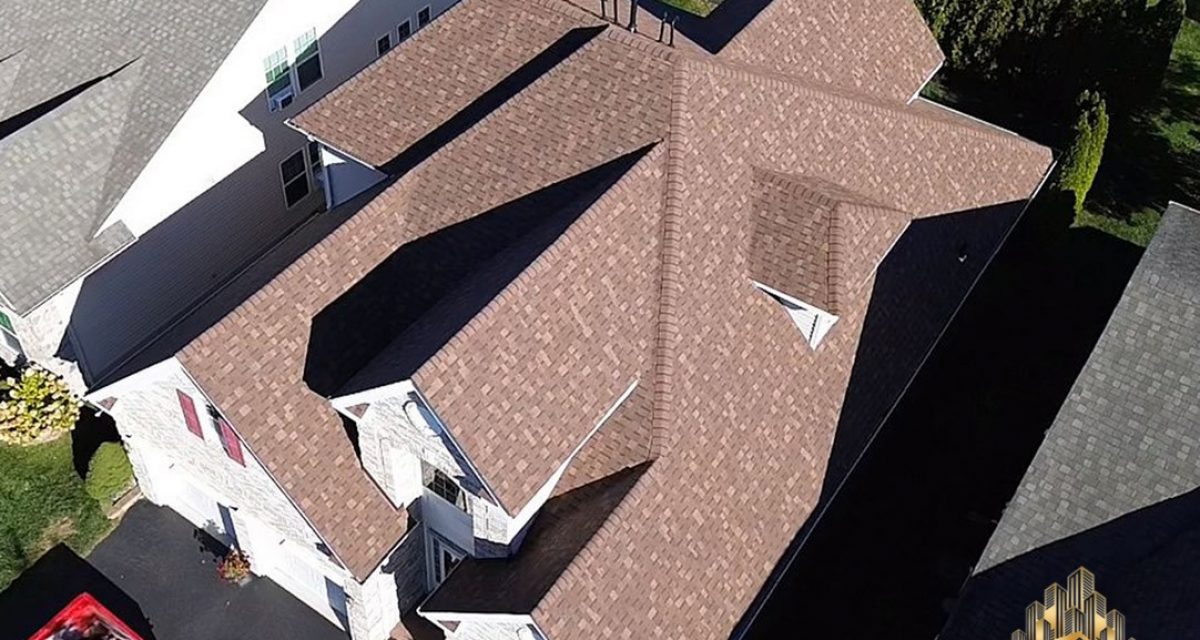
A professionally completed roof replacement is one of the most important investments a property owner can make to protect a home, improve its appearance, and support its long-term value. A roof must do much more than cover a building. It must manage rainwater, withstand changing weather conditions, protect the underlying structure, and provide dependable performance throughout the year. The completed roofing project shown in this photograph demonstrates the visual impact of a carefully installed asphalt shingle roofing system, with a rich brown finish and a complex roof design that requires attention to detail.
At All State Roofing and Chimney Specialist, professional roofing work begins with understanding the structure, evaluating the existing roofing conditions, and selecting an installation approach that supports durability and reliable protection. Every roof has its own characteristics, including its slope, ridges, valleys, drainage patterns, and transitions around architectural features. These details influence how the roofing system should be installed and how effectively it will protect the property.
A successful roof replacement combines appropriate materials, sound preparation, proper installation techniques, and thorough finishing work. The objective is not simply to create a new surface. It is to establish a complete roofing system that performs as intended while complementing the architectural design of the home.
Table of Contents
- Understanding the Importance of Roof Replacement
- Evaluating the Existing Roofing System
- Preparing the Roof for Professional Installation
- Choosing the Right Asphalt Shingles
- Managing Roof Valleys, Ridges, and Complex Slopes
- Protecting the Home Against Water Intrusion
- Improving Roofing Performance Through Proper Ventilation
- Why Professional Installation Matters
- Maintaining the Appearance and Performance of a New Roof
- When to Consider a Roof Replacement
- Frequently Asked Questions
- Contact All State Roofing and Chimney Specialist
Understanding the Importance of Roof Replacement
The roof is the first line of defense between a home and the outdoor environment. It receives direct exposure to sunlight, rain, wind, seasonal temperature changes, and other conditions that gradually affect roofing materials. Over time, shingles may lose protective granules, develop cracks, curl at the edges, or become less effective at directing water away from the structure. Underlying components can also deteriorate when moisture enters vulnerable areas.
A professional roof replacement addresses these concerns by creating an opportunity to inspect the roofing assembly and replace worn or damaged materials. Instead of repeatedly repairing individual problem areas on a roof that has reached the end of its useful service life, property owners can invest in a coordinated solution designed to restore protection across the entire roof.
The completed roof in the photograph features brown asphalt shingles arranged across multiple intersecting roof sections. The consistent appearance of the shingles contributes to a clean, finished look, while the roof’s numerous ridges and valleys illustrate why careful installation is essential. These intersections must be managed correctly to help prevent water from entering beneath the roofing materials.
A new roofing system can also improve the overall presentation of a property. Because the roof occupies a substantial portion of a home’s exterior appearance, its color, texture, and installation quality influence the impression the building creates. A well-coordinated roof can complement siding, exterior trim, windows, landscaping, and other architectural features.
Evaluating the Existing Roofing System
Every effective roof replacement should begin with a careful evaluation of the existing roof. Before selecting materials or beginning installation, a roofing professional should assess the visible condition of the shingles, flashing, drainage areas, roof edges, ridges, and other important components.
The inspection should identify signs of deterioration, previous repairs, missing shingles, damaged flashing, and possible water intrusion. Interior observations, where accessible, may also help identify stains, damp insulation, or other indications that moisture has entered the building. However, not every roofing problem is visible from the exterior, and the absence of interior staining does not necessarily mean the roof is performing properly.
Roof geometry is another important consideration. The home shown in the photograph has several intersecting roof planes, creating multiple ridges, valleys, and changes in direction. These features require a more detailed installation plan than a simple roof with uninterrupted slopes.
A professional evaluation helps establish the scope of work, identify potential complications, and determine whether any underlying materials need attention. The condition of the roof decking cannot be confirmed from an aerial photograph alone, so it should be inspected directly during the project whenever the roofing materials are removed.
Proper planning at this stage supports better workmanship and helps reduce unexpected problems during installation. It also allows the contractor to explain the proposed work, discuss material choices, and clarify which components may need repair or replacement.
Preparing the Roof for Professional Installation
Preparation is a fundamental part of a high-quality roof replacement. Even premium shingles cannot deliver their intended performance when installed over an unsuitable or damaged foundation. The roof deck must provide an appropriate, stable surface for the roofing materials, and the surrounding areas should be prepared to support a safe and organized project.
When a full replacement requires removing the existing shingles, the roofing crew should work systematically across the roof. Removing the old materials exposes the underlying surface and makes it possible to identify damaged decking, deteriorated flashing, and other conditions that may otherwise remain concealed.
The roof deck should be examined for moisture damage, weakened sections, loose fasteners, and other defects. Any necessary repairs should be completed using suitable materials and installation methods. The goal is to establish a sound foundation before the new roofing layers are installed.
The installation plan should also account for underlayment, drip edges, flashing, and other components required by the roofing design and applicable building standards. Underlayment provides an additional layer of protection beneath the shingles, while properly detailed edges and flashing help manage water around vulnerable transitions.
Site preparation matters as well. Protecting landscaping, organizing materials, maintaining safe access, and controlling debris help keep the project orderly. Old shingles and roofing waste should be collected and removed appropriately, while the surrounding property should be checked for stray fasteners and discarded materials.
For homeowners, preparation is an important indication that the project is being approached as a complete roofing installation rather than a simple surface upgrade.
Choosing the Right Asphalt Shingles
Asphalt shingles remain a popular roofing choice because they offer a practical combination of appearance, versatility, and weather protection. They are available in a range of colors, profiles, and designs, allowing homeowners to select a finish that complements the architecture of their property.
The brown shingles shown in the photograph create a warm, natural appearance. Their varied shades add visual texture across the roof planes, while the consistent layout helps the finished surface look cohesive. Brown roofing can coordinate effectively with light-colored siding, stone accents, white trim, and a variety of exterior design styles.
Selecting the right shingle involves more than choosing a color. Homeowners should consider the product’s published performance specifications, wind rating, warranty conditions, installation requirements, and suitability for the building. Local weather exposure and the roof’s configuration may also influence material selection.
The selected shingles should be installed according to the manufacturer’s instructions. This includes using the specified fastening pattern, maintaining appropriate alignment, and ensuring that the roofing layers are arranged correctly. Improper fastening or installation outside the product requirements may affect performance and warranty coverage.
Color coordination is another consideration. A roofing sample viewed in a showroom may look different under direct sunlight or against the actual exterior materials. Reviewing samples alongside siding, trim, and other finishes can help property owners make a more confident decision.
The objective is to choose a roofing material that balances visual appeal with practical performance. A carefully selected shingle system, installed over a properly prepared roof deck, provides a strong foundation for a successful roof replacement.
Managing Roof Valleys, Ridges, and Complex Slopes
Complex roof designs demand particular attention because water naturally follows the roof’s slope toward its lower edges and drainage points. Where two roof planes meet, water flow can become concentrated, making correct detailing essential.
The roof shown in the photograph includes several prominent ridges and valleys. These intersecting areas create architectural depth, but they also require precise measurements, consistent shingle placement, and appropriate water-management details.
Roof valleys are especially important because they collect water from adjoining roof surfaces. Depending on the approved roofing design, valleys may use a suitable metal lining, a manufacturer-approved shingle arrangement, or another specified installation method. The chosen approach must provide the necessary protection while remaining compatible with the roofing materials.
Ridges and hips require appropriate finishing components to protect the meeting points between roof planes. Ridge caps should be installed with the required overlap and fastening method, providing a finished appearance while protecting exposed transitions.
Other details include roof edges, changes in slope, and intersections near dormers or other architectural elements. Flashing must be integrated correctly wherever the roofing system meets a wall or another surface that could allow water to penetrate.
Consistent shingle alignment is also important. On a roof with multiple intersecting planes, uneven courses or poorly positioned cuts can create visual inconsistencies and may compromise the installation details. Accurate layout helps maintain clean lines across the finished surface.
These areas demonstrate why experienced workmanship matters. A roof’s long-term performance depends not only on the broad visible surfaces but also on the many smaller connections that make the entire system function together.
Protecting the Home Against Water Intrusion
Water management is one of the primary purposes of any roofing system. Rainwater must move from the upper roof surfaces toward the eaves and drainage system without entering the roof assembly or the building interior.
A professional roof replacement should address the components responsible for controlling this movement. Shingles form the primary exposed surface, while underlayment and correctly installed flashing provide additional protection in vulnerable areas. Roof valleys, penetrations, edges, and wall intersections require particular care because water may collect or change direction around these features.
Flashing is especially important around chimneys, vent pipes, and other roof penetrations. These transitions must be detailed using suitable materials and methods for the specific installation. Where a chimney is present, the flashing system should be assessed independently rather than assuming that new shingles alone will resolve every possible leak.
The photograph highlights the extensive shingle coverage and multiple roof intersections, but it does not independently establish the condition of concealed flashing or underlayment. Those components should be inspected during the project, and any necessary corrective work should be completed before the roofing system is considered finished.
Proper drainage beyond the roof surface is equally important. Gutters and downspouts should be appropriate for the building and kept clear of obstructions so water can move away from the roof edges and foundation. Blocked drainage can contribute to overflow, exterior staining, and moisture problems around the property.
Attention to these details helps reduce the risk of preventable water intrusion and supports the overall performance of the completed roofing system.
Improving Roofing Performance Through Proper Ventilation
Roof ventilation plays an important role in the management of heat and moisture within the attic. Depending on the home’s design and climate, inadequate ventilation can contribute to moisture accumulation, condensation, and excessive attic temperatures.
A properly designed ventilation system generally combines appropriate intake and exhaust openings. Intake ventilation is commonly located near the lower roof edges, while exhaust ventilation may be provided near the ridge or through other approved outlets. The arrangement must suit the building’s configuration and work with the existing attic insulation and air-sealing strategy.
During a roof replacement, the ventilation system should be reviewed rather than automatically duplicated without evaluation. A contractor can identify visible concerns and determine whether further assessment is appropriate. Ventilation changes should follow applicable building requirements and the recommendations of the relevant product manufacturers.
The roof’s shape and number of intersecting sections may affect how ventilation is planned. Some roof configurations require more detailed consideration to ensure that the intended airflow path is not obstructed. The installation should avoid blocking ventilation openings with roofing materials or finishing components.
It is also important to understand that ventilation is only one part of attic moisture management. Air leakage from the living space, insulation conditions, and indoor humidity can also influence attic performance.
Addressing these factors as part of a broader roofing evaluation helps homeowners make informed decisions about the complete roof assembly. When the shingles, underlayment, flashing, drainage, and ventilation are considered together, the result is a more coordinated approach to roof performance.
Why Professional Installation Matters
Professional installation brings together the planning, technical knowledge, material handling, and attention to detail required for a dependable roofing system. A visually attractive finished roof is important, but its quality also depends on components and installation practices that may not be apparent from the ground.
A qualified roofing contractor should follow manufacturer instructions, observe applicable safety procedures, and use materials appropriate for the project. Work should be organized so the exposed roof is protected from changing weather conditions as installation progresses.
Quality control should include checking shingle alignment, fastening, flashing integration, ridge and hip details, and the condition of roof edges. The contractor should also review the completed work for visible defects and ensure that debris is removed from the property.
Clear communication is another important part of the process. Homeowners should understand the scope of work, expected project stages, material selections, and any additional repairs that become necessary after concealed areas are exposed.
All State Roofing and Chimney Specialist approaches roofing as an important part of protecting the home. Each project should be evaluated according to its own construction, condition, and installation requirements. The aim is to deliver a finished roof that looks appropriate for the property and is supported by careful attention to the details that influence performance.
Maintaining the Appearance and Performance of a New Roof
Although a newly installed roof can provide dependable protection for many years when properly maintained, no roofing system should be treated as maintenance-free. Periodic inspections can help identify developing concerns before they become more extensive problems.
Homeowners should arrange an inspection after significant weather events when damage is suspected and periodically assess the roof’s general condition. Professional inspections are particularly valuable because walking on a roof without appropriate training and safety equipment can create unnecessary risks.
Visible warning signs may include missing shingles, damaged ridge caps, displaced flashing, sagging gutters, or debris collecting in drainage areas. Interior ceiling stains and unexplained moisture may also justify prompt investigation.
Gutters should be kept clear, and nearby tree branches should be managed when they threaten to scrape roofing materials or drop excessive debris onto the roof. Any maintenance should be performed safely, without damaging the shingles or disturbing flashing details.
Cleaning products and pressure-washing methods should not be used indiscriminately on asphalt shingles. Aggressive cleaning can remove protective granules or damage the roofing surface. Homeowners should follow the roofing manufacturer’s guidance when addressing algae, moss, or other surface concerns.
Keeping installation records, product information, and applicable warranty documents is also helpful. These records can assist with future maintenance and clarify the conditions associated with the roofing materials.
Consistent maintenance does not eliminate every risk, but it can help homeowners recognize problems early and make informed decisions about repairs.
When to Consider a Roof Replacement
Knowing when to replace a roof can help property owners avoid repeated repairs that no longer provide a practical long-term solution. The decision should be based on the roof’s overall condition, age, material type, history of repairs, and the extent of any damage.
Missing or curling shingles, widespread granule loss, recurring leaks, and deterioration around flashing can indicate that the roofing system requires professional evaluation. Damage after severe wind or storms may also justify an inspection, even if the problem is not immediately visible from the ground.
A single damaged shingle does not automatically mean a full replacement is necessary. Localized repairs may be appropriate when the remaining roofing system is in sound condition and compatible replacement materials are available. However, extensive deterioration or repeated failures across several roof sections may make a broader replacement the more suitable option.
Homeowners should consider the condition of the underlying decking as well. Replacing visible shingles without addressing damaged structural or supporting materials can leave important problems unresolved.
A professional assessment helps clarify the available options and the reasoning behind each recommendation. It should explain the observed conditions, identify any limitations of the inspection, and distinguish necessary repairs from optional improvements.
A roof replacement is a significant investment, so the decision should be supported by a clear understanding of the property’s needs rather than appearance alone.
A Stronger Roof Starts With Professional Workmanship
The completed roofing project shown in the photograph illustrates how a coordinated asphalt shingle installation can create a distinctive exterior appearance across a complex residential roof. Its brown finish, intersecting slopes, and defined ridges demonstrate the importance of consistent layout and careful detailing.
A successful roof replacement requires more than installing new shingles. It involves evaluating existing conditions, preparing the roof deck, selecting suitable materials, protecting vulnerable intersections, and checking the finished work. When these elements are considered together, homeowners can make a more informed investment in the protection and appearance of their property.
All State Roofing and Chimney Specialist is committed to helping property owners understand their roofing needs and explore appropriate solutions for their homes. Every property has different requirements, and the best approach begins with a careful evaluation and a clear explanation of the work involved.
If your roof shows signs of deterioration, has experienced storm damage, or may be approaching the end of its service life, arranging a professional assessment is a practical first step. Addressing roofing concerns promptly can help clarify whether repairs or a complete replacement are the more suitable option.